
Woodchipper
Explore expert-backed guides on how woodchippers work, machine types, safe operation, debris management, and how chippers support efficient tree care cleanup and material recycling.

Explore Woodchipper Guides
In-depth guides, practical explanations, and expert references covering woodchipper topics — written to help you understand before you act.
Woodchips
Uses, fire risk, driveway applications, and how woodchip quality affects landscaping results.
Explore →Particle Board
Types, composition, burning safety, and how particle board is made from processed wood waste.
Explore →Tritucap
How the Tritucap system works, land clearing applications, and comparison to forestry mulchers.
Explore →Woodchipper Reference Overview
A tree chipper or woodchipper is a machine used for reducing wood — generally tree limbs or trunks — into smaller woodchips. They are often portable, being mounted on wheels on frames suitable for towing behind a truck or van. Power is generally provided by an internal combustion engine ranging from 2 to 700 kilowatts.
How Woodchippers Work
Tree chippers are typically made of a hopper with a collar, the chipper mechanism itself, and an optional collection bin for the chips. A tree limb is inserted into the hopper — the collar serving as a partial safety mechanism — and started into the chipping mechanism. The chips exit through a chute and can be directed into a truck-mounted container or onto the ground.
Output & Uses
Typical output is chips on the order of 2.5–5 cm across in size. The resulting wood chips have various uses — being spread as ground cover, fed into a digester during papermaking, or composted as organic material. Most woodchippers rely on energy stored in a heavy flywheel to maintain cutting momentum through dense material.
Safety Considerations
Woodchippers are powerful machines that pose significant risks when operated without proper training. Entanglement, projectile debris, and hearing damage are the primary hazards. High-power chipper models mounted on trucks may also include a hydraulic winch for large-scale operations. Professional operation requires appropriate PPE and site management.
Wikipedia: Woodchipper
The comprehensive reference covering woodchipper types, mechanisms, output specifications, and safety standards.
Visit Source →High-power commercial woodchippers can process engines ranging from 3 to over 1,000 horsepower — far beyond the capacity of consumer-grade equipment.
Need Professional Help?
If your research points to a tree issue that needs professional assessment, TreeCareLabs can connect you with qualified tree care professionals for removal, pruning, trimming, and stump grinding services.
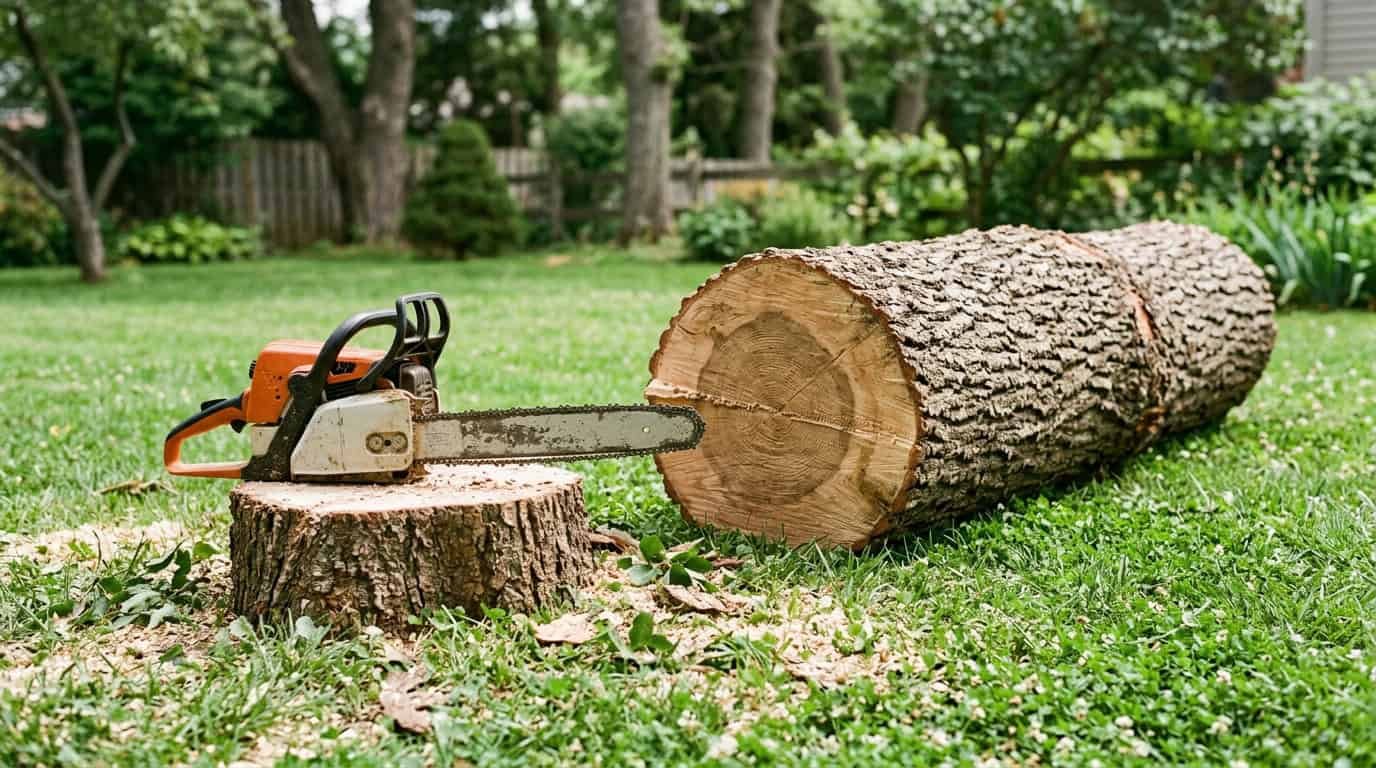
Tree Removal
Complete and safe removal of dangerous or unwanted trees.
Explore Service →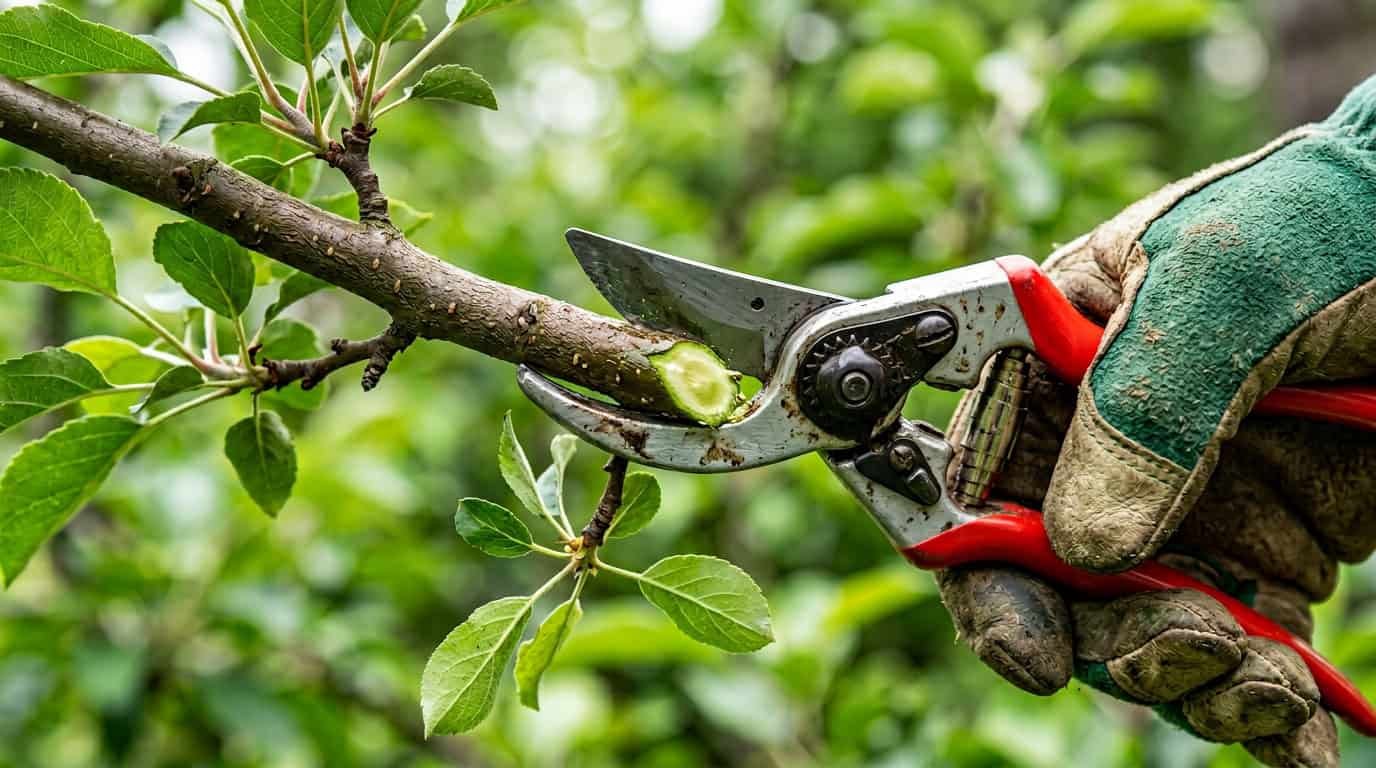
Tree Pruning
Aesthetic and structural trimming for health and vigour.
Explore Service →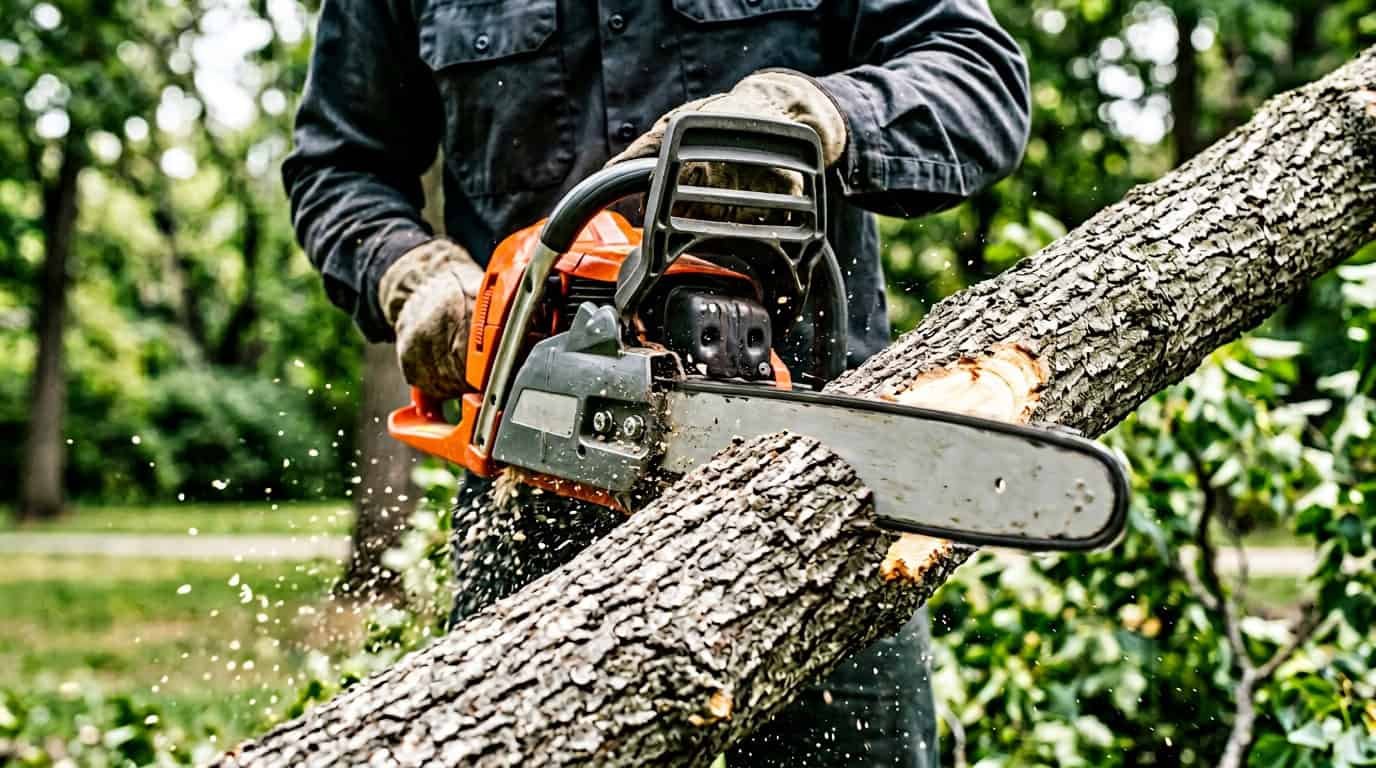
Tree Trimming
Maintaining clearance and shape for residential landscapes.
Explore Service →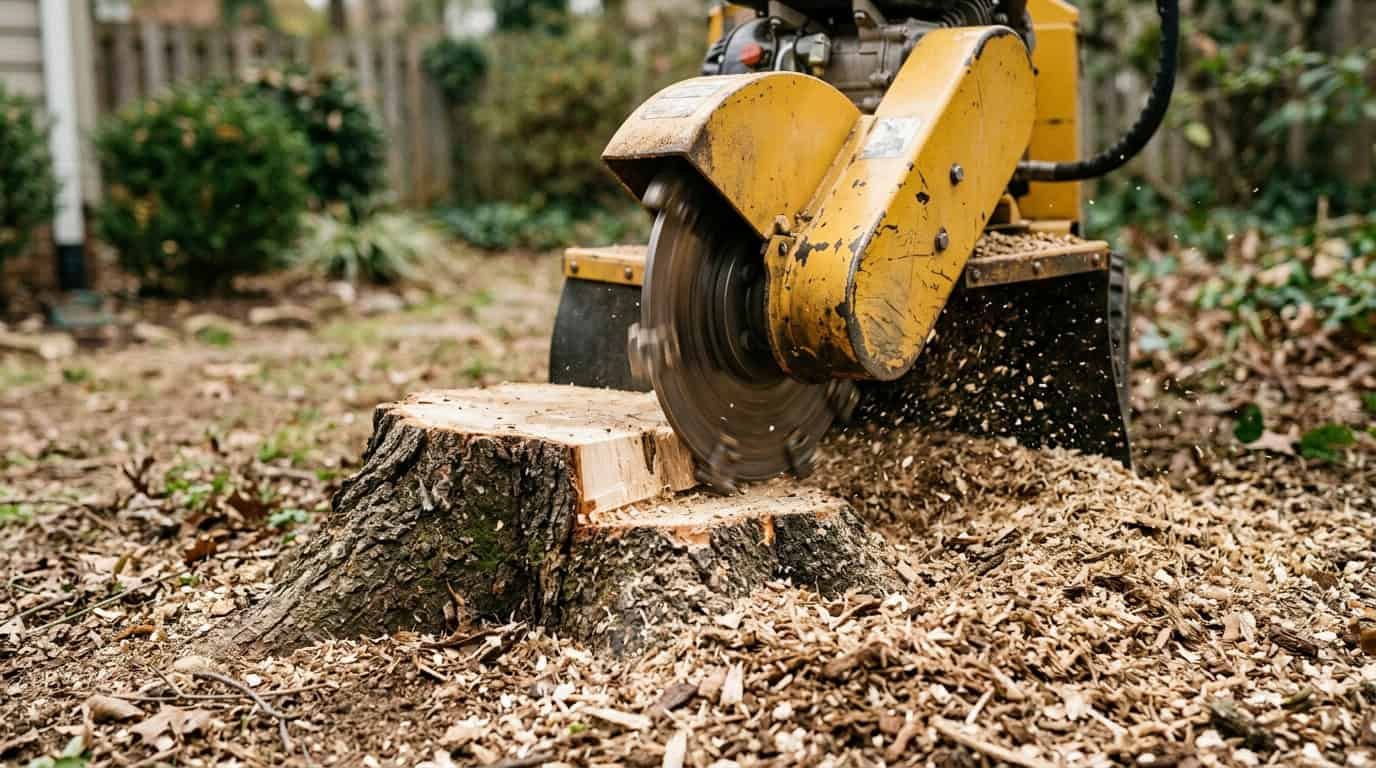
Stump Grinding
Efficient processing of stumps and timber waste into mulch.
Explore Service →Explore More Tree Care Resources
Continue browsing TreeCareLabs resources to understand tree care topics, compare options, and know when a tree issue needs expert attention.