
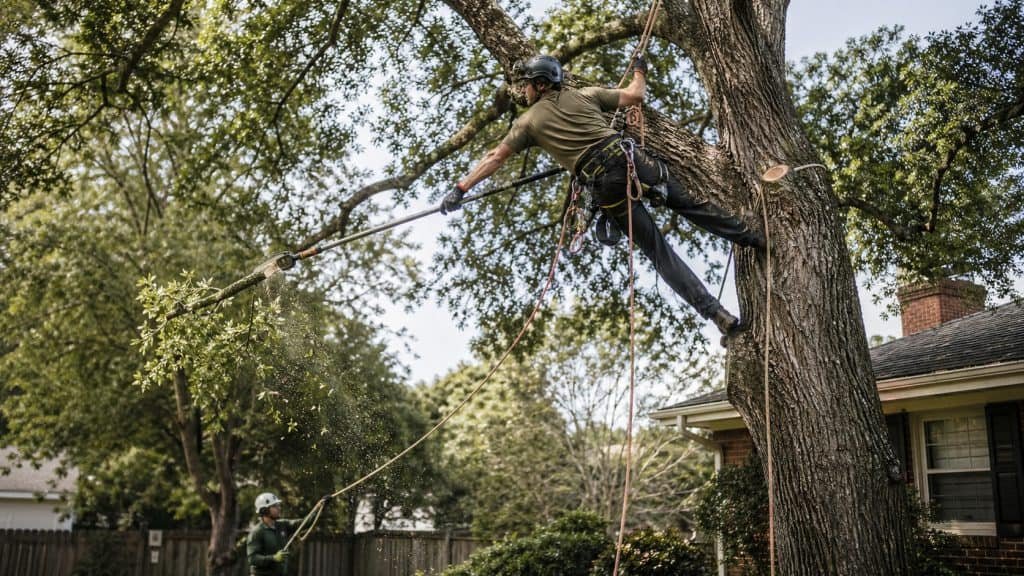
Tree Trimming Services
Measured technique. Careful planning. Every cut made by certified arborists who treat your trees as long-term investments, not one-time jobs. We evaluate before we cut. Lean, load, canopy density — mapped by certified arborists who understand what each trim asks of the tree next season.
ISA Certified Arborists
Board-certified field expertise
Fully Insured
$2M+ liability · Workers’ comp
Safety-First Process
Rigging, PPE, documented jobs
Nationwide Coverage
Regional crews, local knowledge
Professional Tree Trimming Services
At TreeCareLabs, professional tree care is anchored in measured technique, careful planning and respect for the long-term health of every specimen on your property. The firm was founded by Michael Hartman, an arborist whose science-based approach shapes every visit, every cut and every plan we deliver.
Comprehensive Tree Care Services for Every Homeowner
Our tree care services cover trees and shrubs across residential, municipal and commercial sites. Before any cut is made, the team evaluates lean, load and visible signs and symptoms of early stress markers, disease and structurally weak limbs. We tailor each plan to the species in front of us — every shrub, every specimen and every mature crown gets attention matched to its growing conditions, surrounding soil and the homeowner’s preferences.
Certified Arborists Who Prune Trees with Care
Our work is led by an ISA certified arborists’ team that carries the credential earned through the International Society of Arboriculture. Each certified arborist on the crew brings field practice that distinguishes a true arborist from a casual operator. We prune for health and structure — scientific tree practice that lifts results across North America with disciplined craft.
Tree Trimming Cost, Value & Pricing Factors
Pricing varies with size, species, access and complexity. We provide a written estimate that itemizes every line — trunk diameter, crane and rigging requirements, debris hauling — so you can compare bids on substance.
Pricing Factors Table
| Factor | What It Means | Impact on Cost |
|---|---|---|
| Tree size & height | Taller specimens with wider canopies take longer and may require climbing or aerial equipment | High |
| Species | Some species require specific technique to avoid structural damage or disease spread | Medium |
| Site access | Tight yards, slopes or obstacles limit equipment positioning and slow execution | High |
| Crane & rigging | Required when branches must be lowered rather than dropped — adds crew time and equipment cost | High |
| Crown density | Dense canopies require more selective cutting decisions and extend the job duration | Medium |
| Debris hauling | On-site chipping is standard; full haul-away of material adds to the final total | Low–Medium |
| Season | Dormant season trimming is typically more affordable with lower demand and easier access | Medium |
Free Quote and On-Site Evaluation
Each project begins with a free walk-through. The estimator reviews the specimen, takes measurements and sets a clear plan to ensure the work matches your goals. Request a pricing guide anytime.
Tree Trimming vs Tree Removal
There is an important distinction between routine work and felling. Selective shaping is for healthy specimens; full take-down is reserved for trees that are compromised or beyond saving.
When to Prune vs When Removal Makes Sense
Late winter through early spring is often the best time to prune deciduous specimens, while damaged or hazardous trees may require tree removal to keep the site safe. The team explains the choice and helps you decide on the right approach for the situation.
Tree Trimming
Trimming is for healthy, structurally sound specimens that need shaping, clearance or seasonal maintenance. It maintains form, removes deadwood and keeps the canopy balanced without altering the tree’s fundamental structure.
Tree Removal
Full take-down is reserved for specimens that are dead, diseased beyond recovery, structurally compromised or hazardous to property. The decision is made by a certified arborist after a proper site assessment — not before.
How to Choose the Best Tree Trimming Service
Picking a credible firm comes down to a short checklist: license, insured workers, certified team and a track record you can verify.
Accredited Tree Care Company and Trained Crew
TreeCareLabs is an accredited tree care company. The TCIA brings independent auditors who accredit our operations across industry safety, business practice and environmental standards. We are a locally owned and operated company maintaining certified tree relationships with each municipality and partner we serve, and the tree care industry recognizes the standards we earn against each cycle.
ISA Certified Arborists
Each certified arborist on our crew carries the credential earned through the International Society of Arboriculture. The certification signals field expertise, ongoing education and a commitment to science-based practice — not just operational experience with a saw.
Why Expertise Matters in Arboriculture
Good work depends on understanding tree biology, horticulture and the science behind it. The team studies plant litter cycles, leaf morphology and the diagnostics of disease before recommending any cut. The result is arboricultural judgment grounded in biology — not guesswork.
Tree Trimming Safety Risks for Homeowners
Tree work near power lines, structures or property edges can cause serious damage if mishandled. The risks rise sharply on tall, multi-stem specimens and on any limb close to utility infrastructure or other utility hardware.
Why DIY Rarely Pays Off
DIY trimming may seem cheaper, but a single fall can total your insurance deductible. Hire pros, save the time and minimize the risks before they grow.
✓ Any branch within 10 feet of a power line must be handled by a credentialed crew
✓ Multi-stem specimens above head height require rigging — not a ladder and a handsaw
✓ Deadwood removal on tall canopies poses unpredictable fall risk without proper training
✓ Work near structures, fences or property edges requires controlled lowering, not free-fall cutting
⚡ 24/7 Emergency Response
Emergency Tree Trimming Service
When storms damage canopies overnight, prompt response prevents secondary damage. Our emergency tree trimming service runs around the clock — call us and we dispatch a team to clear hazards and stabilize the site.
Storm Response That Protects What’s Left
Speed matters when limbs are hanging or structures are exposed. We are the premier choice for owners who need a quick, clean response after a storm.
Tree Trimming for Large Trees
Large trees demand specialized rigging, ground crews who handle heavy debris and a lead climber experienced under load. We bring all three on every job.
Climbing Teams for Tall Canopies
A skilled team sets the rigging, calls the cuts and works methodically from top to bottom. The canopy comes down section by section, never in chaos, and the result is consistent over the seasons that follow.
What to Expect from Tree Trimming Results
Healthy trees thrive on consistent, well-timed care. After a properly executed trim, you should see denser foliage, stronger structure and fewer dead limbs each season.
Healthy Growth and Balanced Structure
Our trims maintain healthy growth across the season. Sunlight reaches lower branches, the upper crown comes into balance and the specimen carries less wind load — the difference between trees that survive a storm and trees that do not.
Our Tree Trimming Process
Every TreeCareLabs project follows the same documented process. Predictable steps mean predictable results.
Free Consultation and Tree Health Review
The job begins with a free consultation. The estimator walks the grounds, examines tree health, tree species and tree roots, and reviews access points. This evaluation is also where we set expectations on the right window and the long-term plan.
Targeted Pruning and Clean-Up
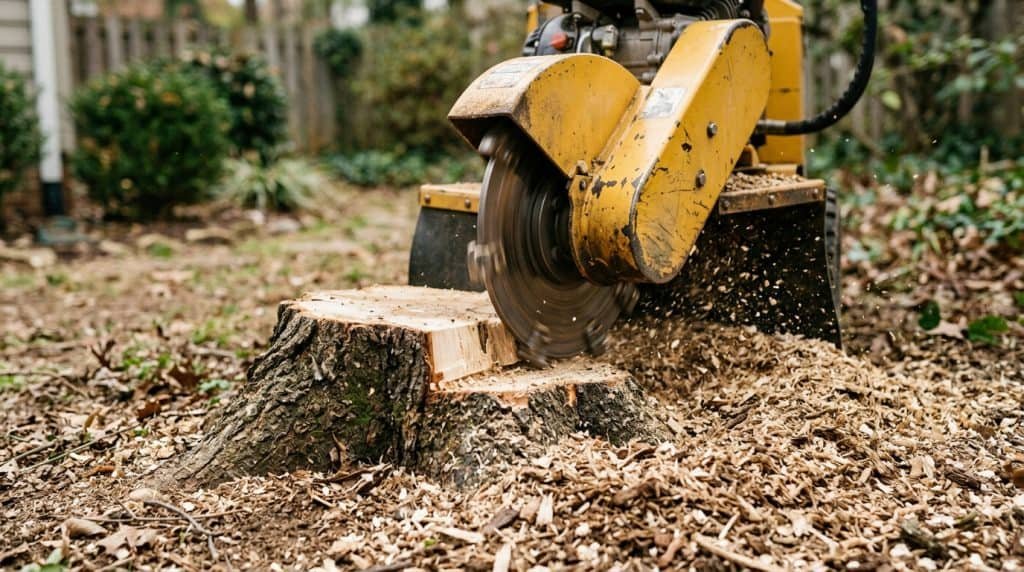
We use sharp tools and trained hands to prune for structure, then clear all debris. Stump grinding is available where needed; herbicide use stays minimal and fertilization plans are tailored to the soil and root profile.
Why We’re the Best Tree Trimming Service
Our reputation is built on the quality of our work and the longevity of our relationships, not on advertising spend.
Built on Partnerships and Continual Research
TreeCareLabs collaborates with peer firms like Bartlett Tree Experts and Davey Tree, drawing on insights from research laboratories that drive the field forward. Michael Hartman brings the latest news from these channels back to the team, and our work is stronger for it.
Promoting Healthy Landscapes and Forestry Stewardship
We work environmentally and stay mindful of the surrounding landscape, the broader forestry ecosystem and the disease management challenges that shape modern forestry. Every project supports an arbor-friendly outcome for the next generation.
“A well-timed trim is one of the most cost-effective investments a property owner can make. It shapes the next decade of growth, reduces wind load, and keeps the canopy performing through every season that follows.”
Michael Hartman
Founder, TreeCareLabs
Expert Tree Trimming Insights
Founder Michael Hartman shares insights drawn from decades as an expert in tree science. He presents on the early signs of pest infestation, the science of crown management and the role of tree preservation in climate-resilient cities. The aim is to translate complex information into guidance any owner can act on.
Tree Trimming Services Near You
TreeCareLabs operates as a regional tree service company expanding coverage across the area. Local teams know your soils, species and storm patterns.
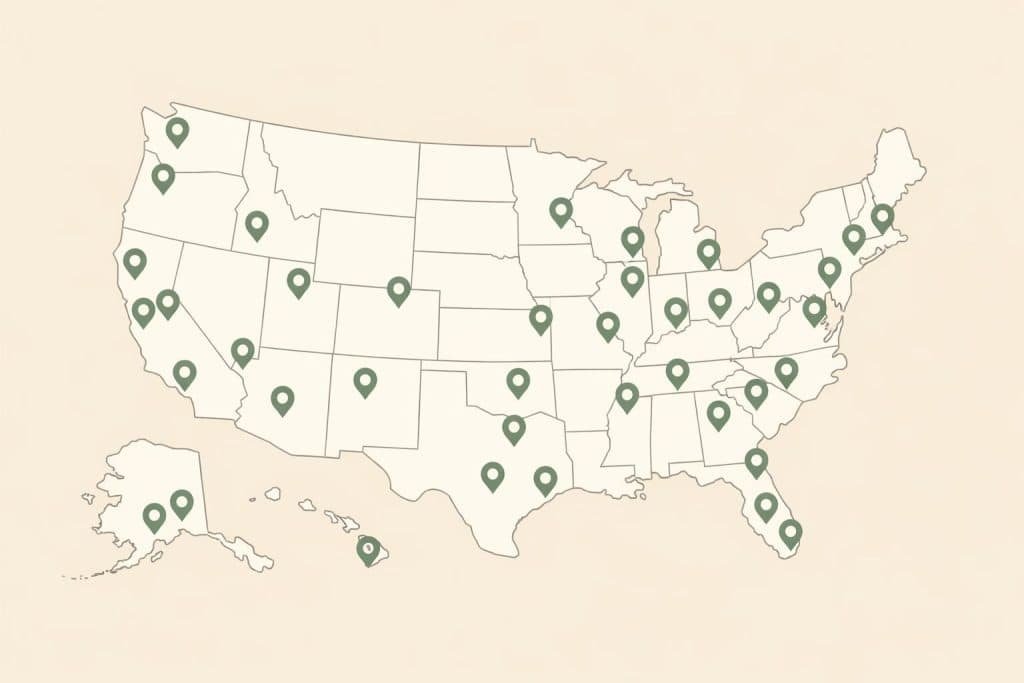
Local Tree Service Across the Region
We pair tree service work with lawn care services and complementary lawn services so the whole property thrives in one schedule. Our coverage continues to grow, and you can book a site visit in your area today.
Related Tree Care Services
Beyond tree trimming and crown work, our tree care business covers soil amendment, pest management for beetle and phytophthora threats, and broader plant management. We coordinate with landscape companies on multi-trade projects, supporting ornamental plant collections, evergreen hedges and the rest of your living landscape.
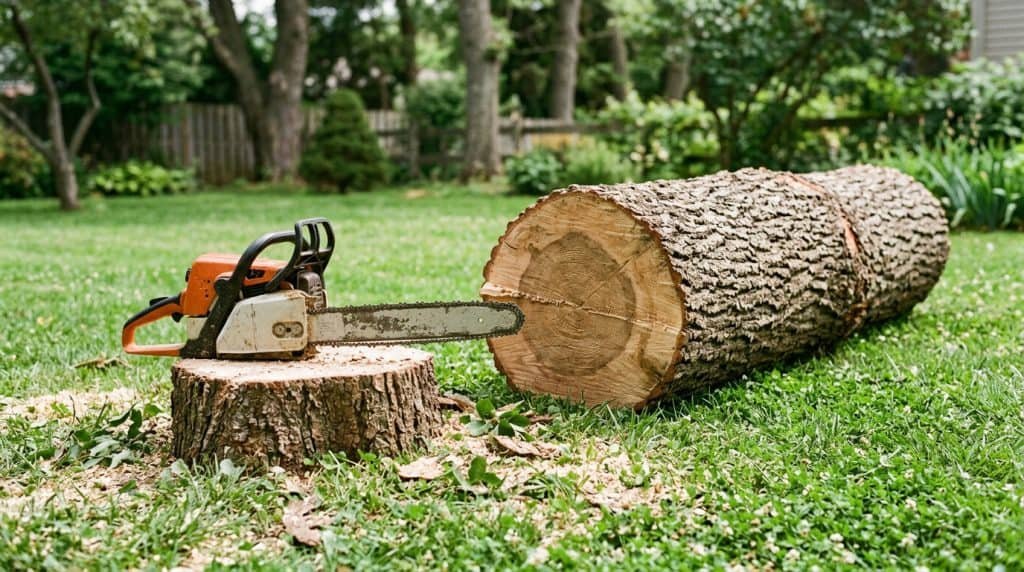
Tree Removal
Safe, engineered removal of hazardous or unwanted specimens from any property.
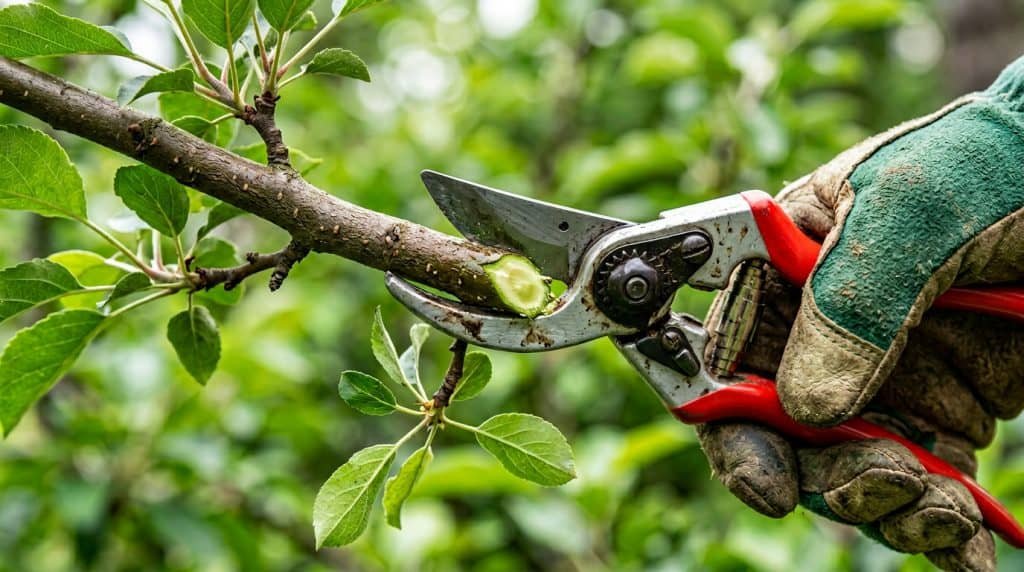
Tree Trimming FAQs
How do tree trimming services work?
A trained team assesses the specimen, agrees a written scope with you and then executes selective cuts to improve structure, light penetration and safety. The crew removes deadwood, shapes the crown and clears debris before leaving the site clean.
What is the 5/15/90 rule of tree felling?
The 5/15/90 rule is a quick mental check used during felling: the lean angle, the hinge thickness and the back-cut depth need to fall within roughly 5%, 15% and 90% windows respectively to keep the fall predictable. It is a guide, not a substitute for trained judgment.
How much do you pay to cut down a tree?
National figures usually range from about $300 for small specimens under 30 feet to $2,000 or more for large hardwoods over 60 feet. Final numbers depend on height, trunk diameter, access and proximity to structures. Always ask for a written, itemized quote.
Are tree trimming services free?
Professional work requires skilled labor, gear and insurance, so it is rarely free. Some municipalities offer limited support for hazardous street trees, but private-property owners are usually responsible for their own specimens. We provide a free site visit so you understand the scope before any work begins.
Is tree trimming expensive?
Cost varies with the size of the specimen, access, debris volume and the time of year. Routine maintenance trims are usually modest; large, multi-trim projects on mature canopies cost more. Investing in regular care typically reduces emergency bills later.
Get Professional Tree Trimming Services
When you are ready to improve the health and beauty of your property, TreeCareLabs is here to help. Michael Hartman and the team deliver reliable, science-based work tailored to each landscape. Contact us today to schedule your free walk-through.