

Tree Pruning Services
Before a single branch comes down, our certified arborists evaluate structure, load, and long-term health. Every pruning decision is mapped, documented, and executed by ISA certified arborists who treat each specimen as a long-term investment. We prune to protect — not just to shape.
ISA Certified Arborists
Board-certified field expertise
Fully Insured
$2M+ liability · Workers’ comp
Safety-First Process
Rigging, PPE, documented jobs
Nationwide Coverage
Regional crews, local knowledge
Professional Tree Pruning Services
At TreeCareLabs, every project starts with a careful look at each tree’s health, structure and surroundings. We pair the precision of arboriculture with hands-on attention so every cut supports long-term tree health rather than short-term appearance. Founder Michael Hartman built the company on this principle and continues to lead a certified team focused on quality and accountability.
Certified Arborists and Arborist Expertise
Quality work begins with training. Our ISA certified arborists draw on years of field experience and stay current with research from the International Society of Arboriculture, ISA’s bulletins and trade outlets including Davey Tree publications. Michael Hartman personally oversees development of every certified arborist on staff so our standards align with expectations across the United States.
Prune Trees and Shrubs Effectively
Knowing how to prune trees and shrubs effectively separates expert care from guesswork. Cuts performed incorrectly weaken plant structure, leaving the foliage thin and structurally vulnerable to wind damage. Our crew evaluates every limb for stress before any cut, then uses techniques designed to ensure a strong, balanced result.
Tree Pruning Cost, Value & Pricing Factors
Pricing varies with size, species and job complexity. A small ornamental needs less time than a mature specimen near power lines, where damaged branches must be lowered with rigging. Our tree pruning cost per tree guide explains typical price ranges so you can plan with confidence.
Pricing Factors Table
| Factor | What It Means | Impact on Cost |
|---|---|---|
| Tree size & height | Taller trees and wider canopies require more crew time, longer reach equipment, and complex rigging | High |
| Species complexity | Some species require specific cutting techniques to avoid disease or structural damage | Medium |
| Proximity to power lines | Branches near utilities require precision lowering with rigging and slower execution | High |
| Crown density | Dense canopies take longer to thin and require more selective decision-making per cut | Medium |
| Number of specimens | Multi-tree jobs may qualify for bundled pricing; single ornamentals are priced individually | Variable |
| Debris removal | On-site chipping included; full haul-away of branch debris adds to the total | Low–Medium |
| Season | Dormant season pruning (late fall through mid-winter) is typically more affordable | Medium |
Comprehensive Services and Consultation
A comprehensive site visit is the foundation of value. During each walk-through we review soil, canopy density and clearance from utility lines. Our comprehensive services then translate the findings into a written plan with transparent pricing — no padding, no upsell.
Tree Pruning vs Tree Trimming
Although the labels get used interchangeably, proper tree trimming and pruning together address both appearance and structure. Lighter shaping rarely corrects deeper issues; targeted structural pruning does. Our arborist provides pruning help that matches the actual condition of each plant.
Landscape Aesthetics and Curb Appeal
A well-managed landscape adds curb appeal that buyers and neighbors notice. Thoughtful work brings out the natural form of each specimen and balances ample sunlight with surrounding plants. Aesthetics matter, but they follow function — restoration of overgrown trees lifts both performance and visual value across the landscape.
Tree Pruning
Targeted structural pruning addresses the health and architecture of a tree. It removes diseased, dead, or competing branches to improve long-term growth, airflow, and load distribution. The goal is the tree’s future, not just its current appearance.
Tree Trimming
Trimming focuses on shaping the canopy for visual balance and clearance. It’s appropriate for routine maintenance — keeping branches off rooflines, clearing pathways, or managing aesthetic form. Trimming maintains; pruning corrects.
How to Choose the Best Tree Pruning Service
Choosing an accredited company protects your investment. TreeCareLabs holds accreditation through the Tree Care Industry Association (TCIA) and is led as a tree care company that puts professionalism on every visit. Michael Hartman trains the team to uphold high-quality standards, treating excellence as a daily habit rather than a slogan.
Accredited Company and Certified Team Standards
ISA Certified Arborists
ISA certified arborists earn their credential through the International Society of Arboriculture by passing a rigorous exam and committing to continuing education. The certification signals that the holder understands tree health, biology, and the science of arboriculture — not simply how to operate a saw.
TCIA Accreditation
TreeCareLabs maintains accreditation through the TCIA, a respected industry body that reviews operations for safety, business practice, and environmental responsibility. That combination signals a tree care company has been verified on both field-craft and back-office practice.
Free Consultation and Request a Free Quote
Smart owners gather multiple estimates. We make it easy to request a free quote and a free consultation so you can compare options confidently. During the visit, our pruning crew walks the property, explains recommendations and answers questions so your specimens can thrive long term.
Tree Pruning Safety Risks for Homeowners
Pruning is dangerous without the right gear. Falling limbs, unstable ladders and proximity to live wires pose real risks for any homeowner. Our focus on safety extends beyond the worksite: we carry full insurance and protect health and safety on every visit by managing each branch with controlled rigging.
When to Call a Professional Pruning Service
✓ Any branch above head height or near a structure requires professional handling
✓ Branches within 10 feet of power lines must be handled by a credentialed crew
✓ Dead or diseased wood that could fall unpredictably under load
✓ Large canopy thinning where multiple cuts must be sequenced and rigged correctly
⚡ 24/7 Emergency Response
Emergency Tree Pruning Service
Storms and high winds rarely wait. Our emergency response delivers service today when limbs threaten a building, vehicle or the structural integrity of a specimen. See our 24-hour emergency response page for full details on how we mobilize after damaging weather.
Service Today When It Matters Most
Our emergency crew is dispatched with the full equipment needed to safely remove hanging or split limbs. We coordinate with insurance adjusters and document every step with photos and notes, so claims move forward without friction. Whether a limb is hanging over a bedroom window or blocking a driveway, we respond fast and work cleanly.
Our Tree Pruning Process: Comprehensive Tree and Shrub Care
Every project follows a consistent sequence: site assessment, plan, execution and follow-up. Our tree and shrub care covers selective thinning, structural pruning and crown reduction where wind exposure is high. Each step is documented so the property owner has a clear record and a path for future visits, and we promote proper pruning techniques throughout.
Site Assessment and Tree Health Review
The job begins with an on-site assessment. A specialist walks the grounds, examines each specimen for disease, structural weakness, and canopy density, then reviews clearance from structures and utility lines. This is where we determine whether selective thinning, structural pruning, or crown reduction is the right approach.
Pruning Execution and Debris Clearance
Once the plan is approved, our team executes the work using proper cutting technique, rigging where needed, and continuous debris clearance. Each cut is made at the branch collar to support healing. We finish with full on-site cleanup, leaving the property clean and the specimens properly shaped for long-term health.
Follow-Up and Future Care Planning
After every pruning engagement, our arborist provides a documented summary of what was done and a recommended schedule for follow-up visits. Pruning is most effective as a recurring practice — not a one-time correction. We help you build a maintenance plan that keeps your specimens performing year over year.
Benefits of Professional Tree Pruning
Careful maintenance protects vulnerable specimens from invasive pests like the emerald ash borer, which has caused widespread damage throughout North America. Routine diagnostics catch infestation early, when targeted removal of infested wood preserves the natural beauty of mature trees.
Certify Tree Care Excellence
At TreeCareLabs, we certify every job to a measurable internal standard. Michael Hartman is recognized as a leader in providing arboriculture education and certified tree guidance across the industry. He contributes trade news commentary and presents at SavATree certified arborists training events. This culture of certify-and-verify reinforces client satisfaction and long-term sustainability for the urban forests we maintain.
Expert Tree Pruning Insights
Founder Michael Hartman shares insights drawn from decades of experience as a recognized expert in arboriculture and plant management. He presents on signs and symptoms of disease and the role of professional tree work in climate resilience, translating complex information into guidance homeowners can act on.
“Every cut we make is a decision about the tree’s future. The science of pruning is understanding what you’re asking the tree to do next — and making sure your cut supports that answer.”
Michael Hartman
Founder, TreeCareLabs
Tree Pruning Services Near You
We deliver tree services across the region and refer trusted partners outside our coverage area. Virtual consultations let large trees on remote properties receive expert input from the same team. You get TreeCareLabs accountability without the lag typical of any other tree service company.
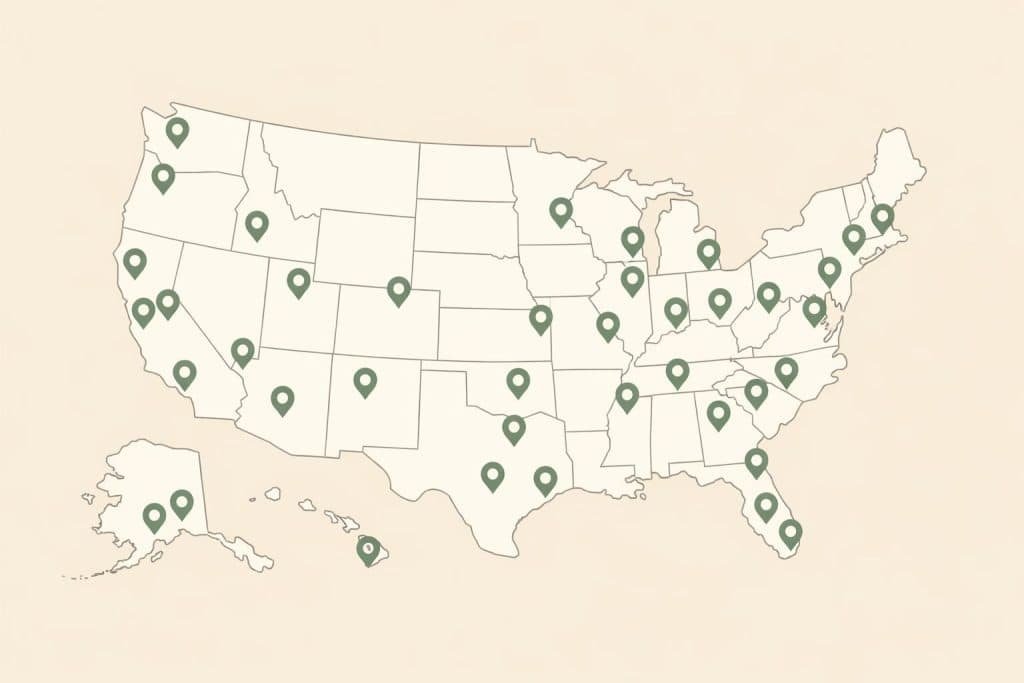
Local Tree Pruning Coverage Across the Region
From historic neighborhoods with mature canopies to newer subdivisions with younger plantings, our regional teams handle pruning, trimming, removal, and stump grinding alongside seasonal care. Whether you need a single specimen addressed or a recurring schedule, our coverage map keeps growing across the U.S. Find your nearest team and book a consultation today.
Related Tree Care Services
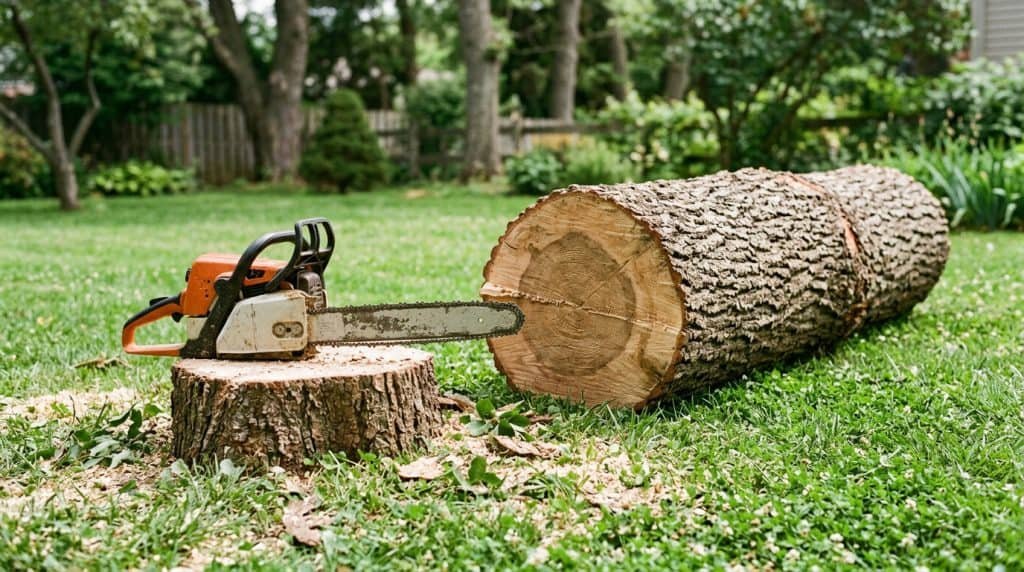
Tree Removal
Safe, engineered removal of hazardous or unwanted specimens from any property.
Learn more ->
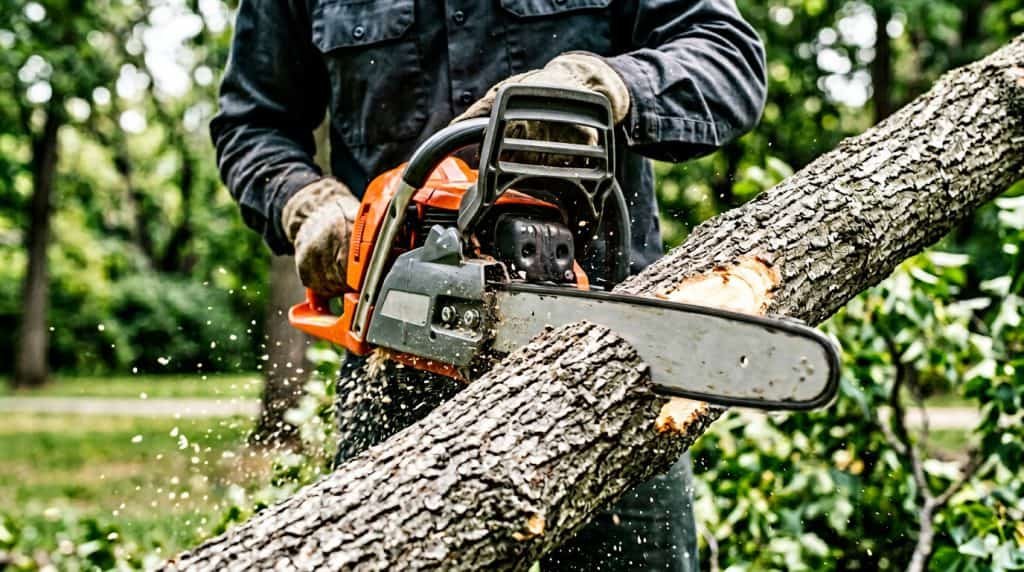
Tree Trimming
Keep branches controlled, clear, and visually balanced.
Learn more ->
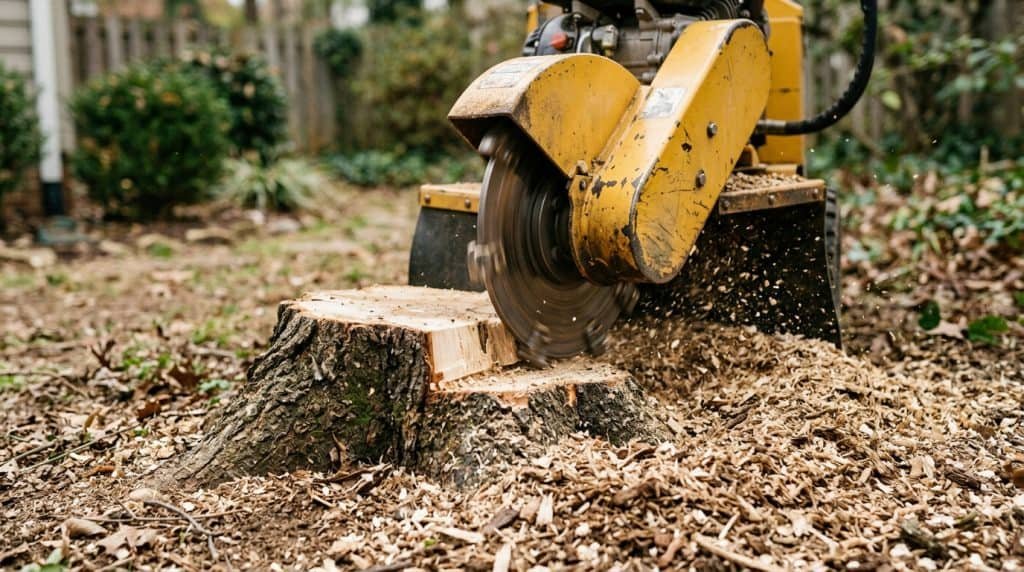
Stump Grinding
Clear bark, stump material, and debris for a cleaner site.
Learn more ->
Frequently Asked Questions About Tree Pruning
What is the 1/2/3 rule of pruning?
The 1/2/3 rule is a three-cut method for safely removing larger limbs. Make an undercut about a foot from the branch collar, a top cut a few inches farther out, and a final clean cut at the collar. The sequence prevents bark tearing and supports proper healing.
What months should you not prune trees?
Avoid heavy work during late winter or early spring when many species push new growth, and skip extreme summer heat. Most species respond best during dormancy, from late fall through mid-winter. Confirm timing with a local pro who knows your conditions.
Why is tree pruning important?
Removing diseased or weakened wood reduces hazards and supports vigorous new growth. It also improves airflow and light penetration, which lowers fungal pressure and helps enhance the beauty of your trees over time.
Are fruit tree pruning services worth it?
Yes. Fruit specimens benefit from regular shaping to stimulate production, improve light distribution and reduce disease pressure. Trusted tree experts make sure cuts are made correctly and at the right time, which is essential for strong harvests and longevity.
Are tree pruning services tax deductible?
In most cases, this work is not deductible for owner-occupied homes. Exceptions may apply for rental property, investment property or qualified business expenses. Confirm with a tax professional for your specific situation.
Are tree pruning services free?
Professional work requires skilled labor, specialized equipment and insurance, so it is rarely free. Some municipalities offer limited help for hazardous street trees, but most owners are responsible for specimens on private property. We provide transparent pricing and a free site walk before any work begins, and our crew can personalize a plan to fit your budget.
Does pruning help trees grow faster?
Pruning encourages healthier development by removing dead wood and reducing competition within the crown. It does not necessarily make a tree taller faster, but it directs energy into strong, healthy branches and improves overall vigor over time.
How do I stop a woodpecker from damaging my maple tree?
Woodpeckers peck at trees seeking insects or marking territory. Wrap affected areas with protective mesh or apply bird-safe deterrents. Healthy maintenance also reduces insect populations, and we can recommend a deterrent strategy if damage continues.
Get Professional Tree Pruning Services
When you are ready to improve the health and beauty of your property, TreeCareLabs is here to help. Michael Hartman and his team deliver reliable, science-based tree pruning services tailored to each landscape. Contact us today to schedule your free walk-through.