
Barkdust
Explore expert-backed guides on barkdust, bark mulch, soil coverage, moisture retention, weed suppression, landscape finishing, and how barkdust supports long-term tree and garden health.

Explore Barkdust Guides
In-depth guides, practical explanations, and expert references covering barkdust topics — written to help you understand before you act.
Bark
Tree bark biology, species sources, and how bark becomes the raw material for barkdust.
Explore →Mulch
Mulching techniques, depth guidelines, soil benefits, and weed suppression with organic mulch.
Explore →Tanbark
What tanbark is, how it differs from standard barkdust, and its traditional uses.
Explore →Hydraulic Debarker
How hydraulic debarkers strip bark from logs and produce barkdust as a byproduct.
Explore →Barkdust Reference Overview
In agriculture, gardening, and landscaping, barkdust — also known as bark dust, bark chips, bark mulch, beauty bark, or tanbark — is a form of mulch produced out of chipped or shredded tree bark. Coarser forms of barkdust may be known as bark nuggets.
Sources & Species
Trees typically used in the production of barkdust include the Douglas fir and the western hemlock. Barkdust may be a byproduct of lumber production, of yard debris recycling processes, or it may be produced in its own right. Cedar bark is also commonly used depending on regional availability.
Types & Applications
Barkdust is typically categorised by the source plant and by the coarseness of the resulting material. Fine barkdusts are used as mulch for soil moisture retention and weed suppression. Coarser forms are used for weed control, as a playground surface, or for decorative landscape purposes.
Landscape & Soil Benefits
As barkdust decomposes, it contributes organic matter to the soil, improving structure and supporting microbial activity. It also acts as a thermal insulator for root systems during temperature extremes. Proper depth application — typically 5–10 cm — prevents both moisture loss and root suffocation.
Wikipedia: Barkdust
The comprehensive reference covering barkdust types, sources, landscape applications, and soil health benefits.
Visit Source →Douglas fir and western hemlock are the most common sources of barkdust in the Pacific Northwest — the same region where TreeCareLabs founder Michael Hartman began his career.
Need Professional Help?
If your research points to a tree issue that needs professional assessment, TreeCareLabs can connect you with qualified tree care professionals for removal, pruning, trimming, and stump grinding services.
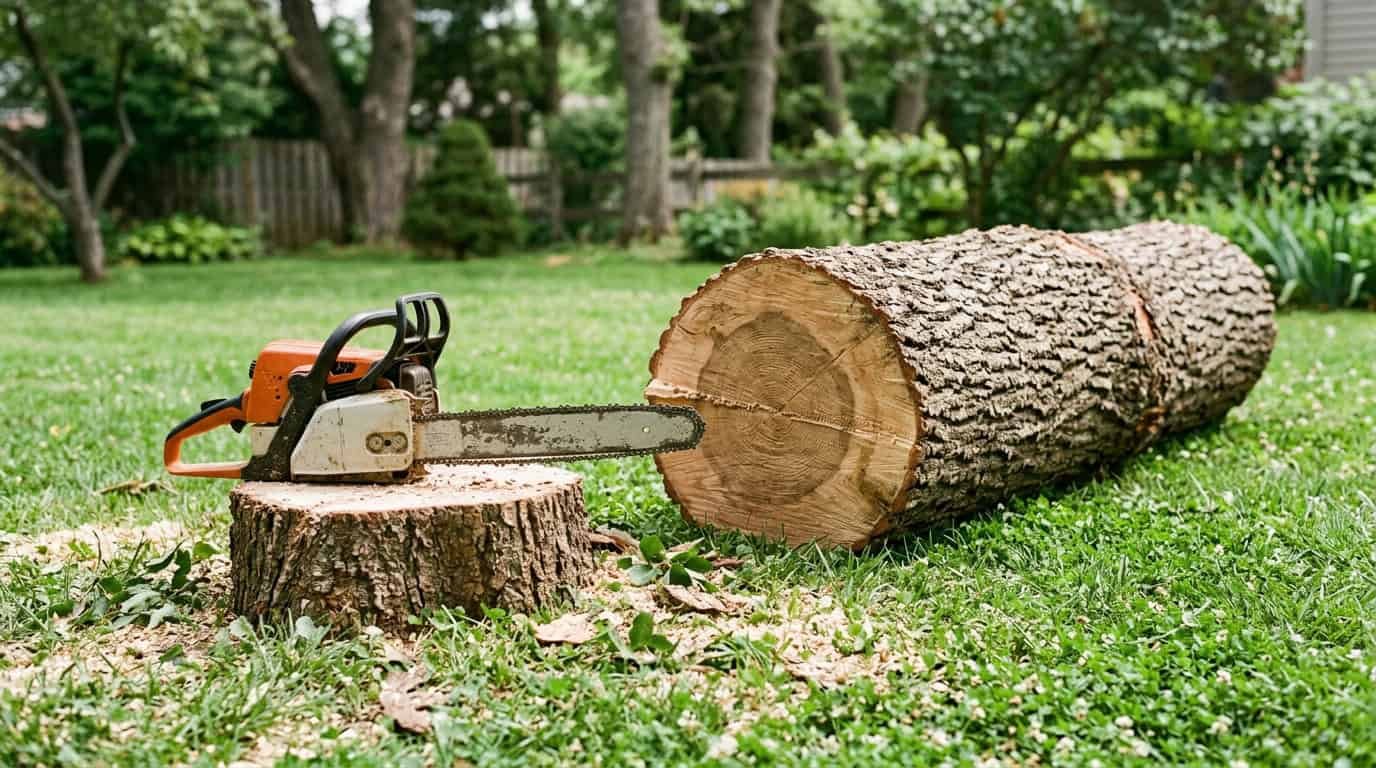
Tree Removal
Complete and safe removal of dangerous or unwanted trees.
Explore Service →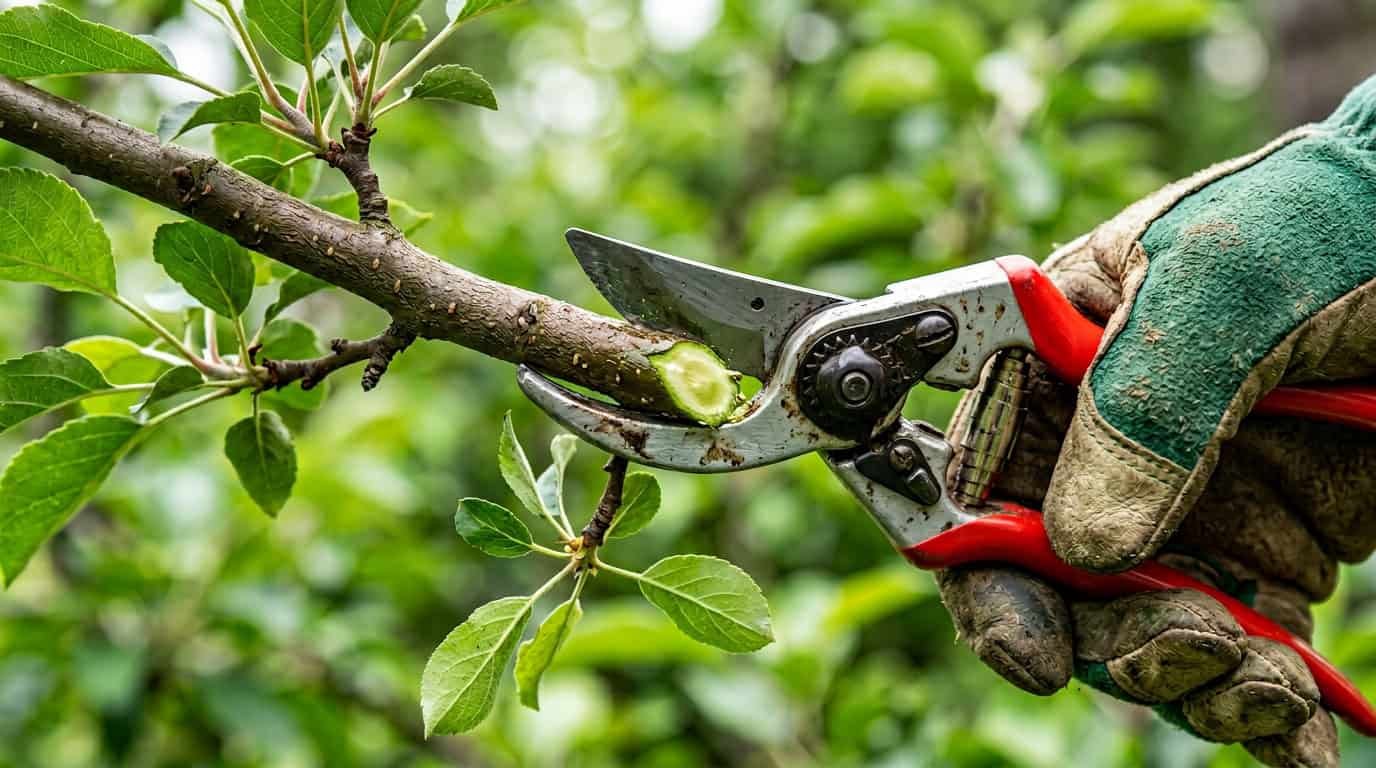
Tree Pruning
Aesthetic and structural trimming for health and vigour.
Explore Service →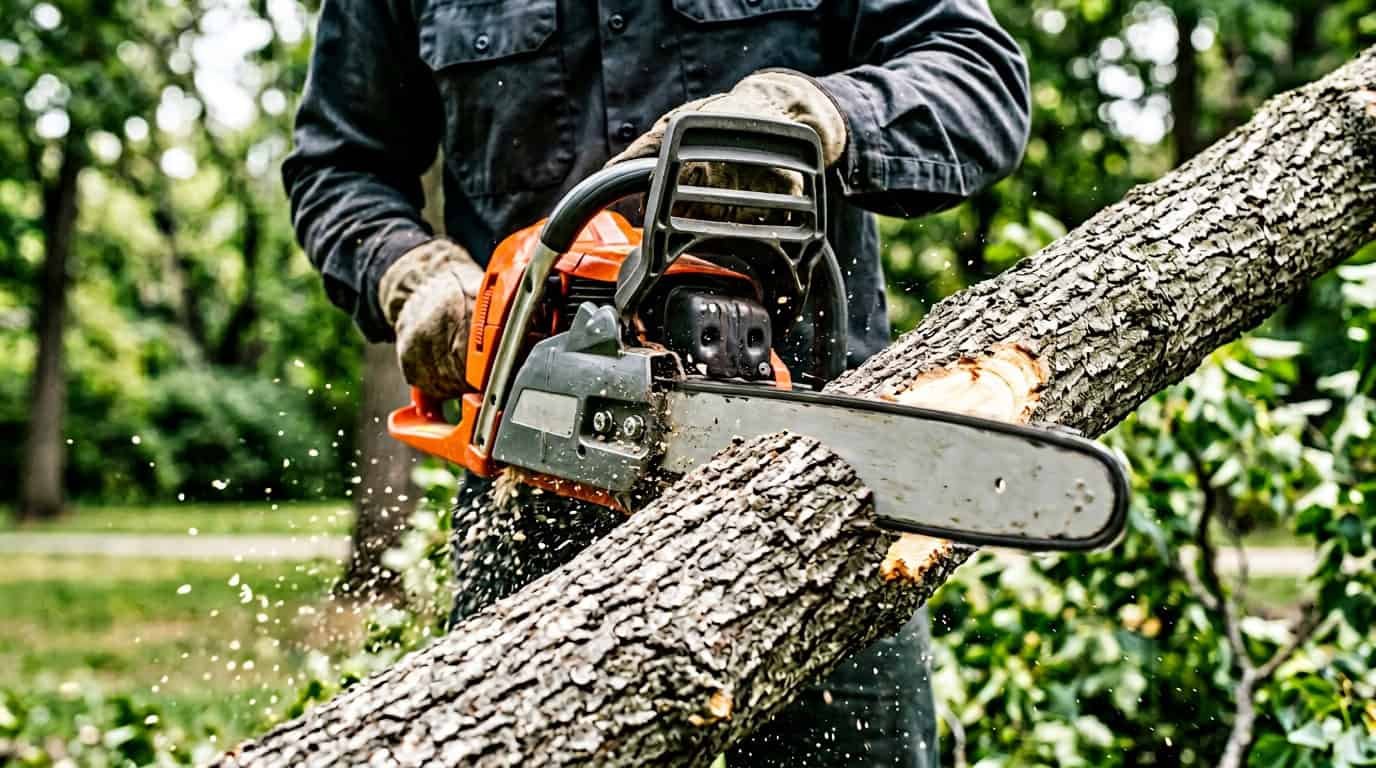
Tree Trimming
Maintaining clearance and shape for residential landscapes.
Explore Service →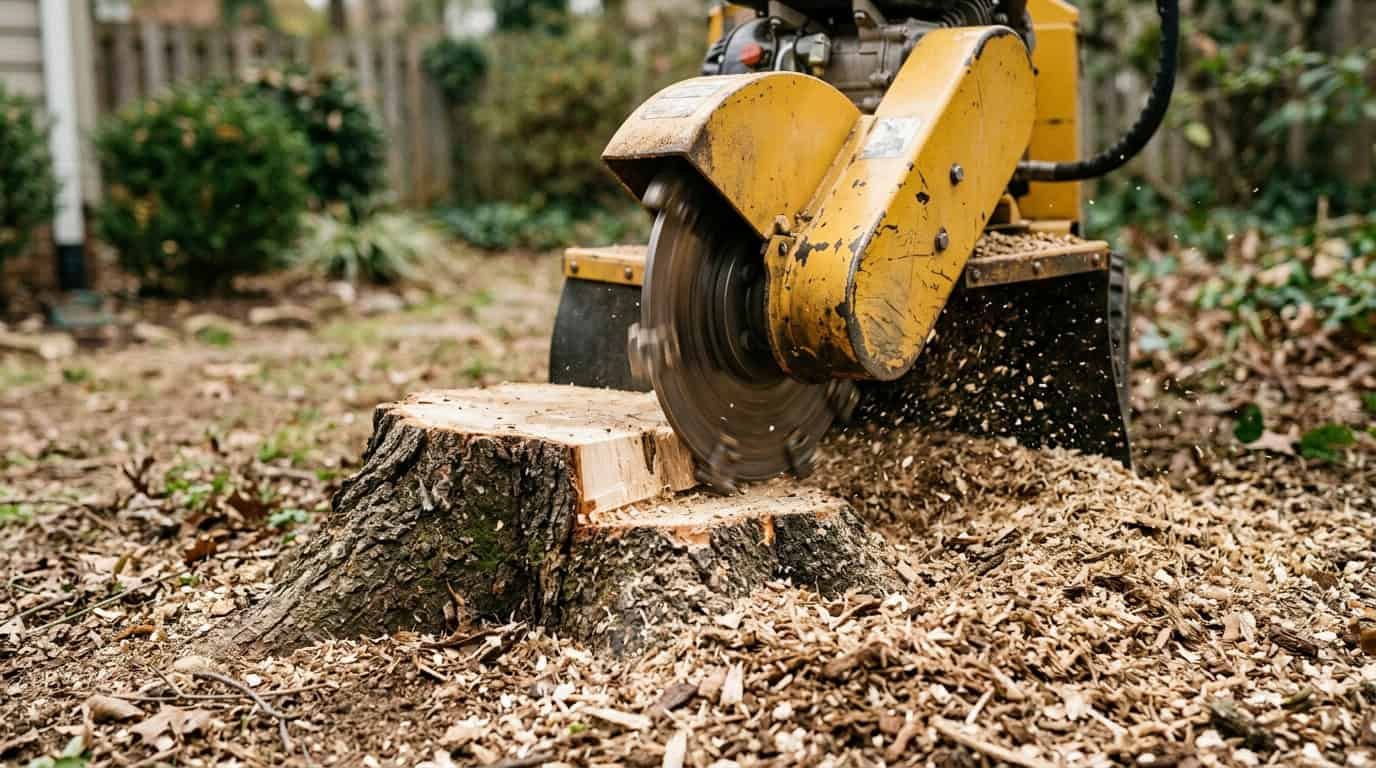
Stump Grinding
Efficient processing of stumps and timber waste into mulch.
Explore Service →Explore More Tree Care Resources
Continue browsing TreeCareLabs resources to understand tree care topics, compare options, and know when a tree issue needs expert attention.