
Trees
Explore expert-backed guides about tree structure, roots, trunks, leaves, buds, growth, health, and how trees interact with soil, weather, and the surrounding landscape.

Explore Trees Guides
In-depth guides, practical explanations, and expert references covering trees topics — written to help you understand before you act.
Tree Root
How roots grow, spread, interact with soil, and affect nearby structures and drainage.
Explore →Tree Trunk
The primary structural pillar — bark, wood, vascular tissue, and how trunks respond to damage.
Explore →Tree Leaf
Leaf biology, seasonal change, disease identification, and how leaves drive tree energy.
Explore →Tree Bud
Bud development, dormancy, types, and what buds reveal about tree health and timing.
Explore →Evolutionary History of Plants
How trees evolved over 400 million years and what that means for modern arboricultural practice.
Explore →Trees Reference Overview
In botany, a tree is a perennial plant with an elongated stem, or trunk, usually supporting branches and leaves. In some usages, the definition of a tree may be narrower, including only woody plants with secondary growth, plants usable as lumber, or plants above a specified height. Wider definitions include taller palms, tree ferns, bananas, and bamboos.
Biology & Classification
Trees are not a monophyletic taxonomic group but consist of a wide variety of plant species that have independently evolved a trunk and branches as a way to tower above other plants to compete for sunlight. The majority of tree species are angiosperms or hardwoods; of the rest, many are gymnosperms or softwoods. Trees tend to be long-lived, some reaching several thousand years old.
Structure & Function
A tree typically has many secondary branches supported clear of the ground by the trunk, which contains woody tissue for strength and vascular tissue to carry materials from one part to another. Below ground, the roots branch and spread out widely, serving to anchor the tree and extract moisture and nutrients from the soil.
Why Trees Matter
It is estimated that there are around three trillion mature trees in the world. Trees play a critical role in carbon sequestration, watershed management, urban cooling, biodiversity support, and long-term landscape health. Understanding tree biology is the foundation of responsible arboriculture.
Wikipedia: Tree
The comprehensive botanical reference covering tree biology, classification, ecology, and global distribution.
Visit Source →The earliest trees evolved around 400 million years ago. It is estimated that there are currently around three trillion mature trees in the world.
Need Professional Help?
If your research points to a tree issue that needs professional assessment, TreeCareLabs can connect you with qualified tree care professionals for removal, pruning, trimming, and stump grinding services.
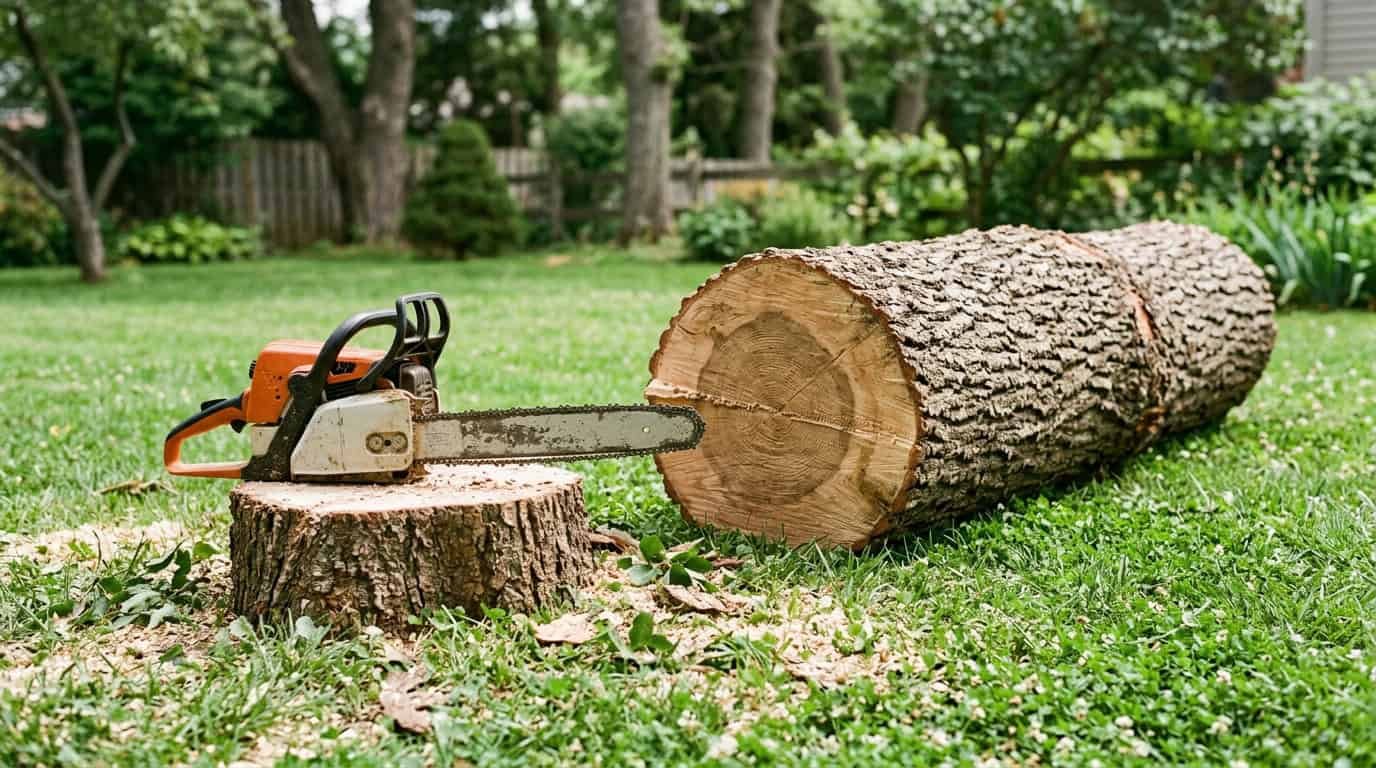
Tree Removal
Complete and safe removal of dangerous or unwanted trees.
Explore Service →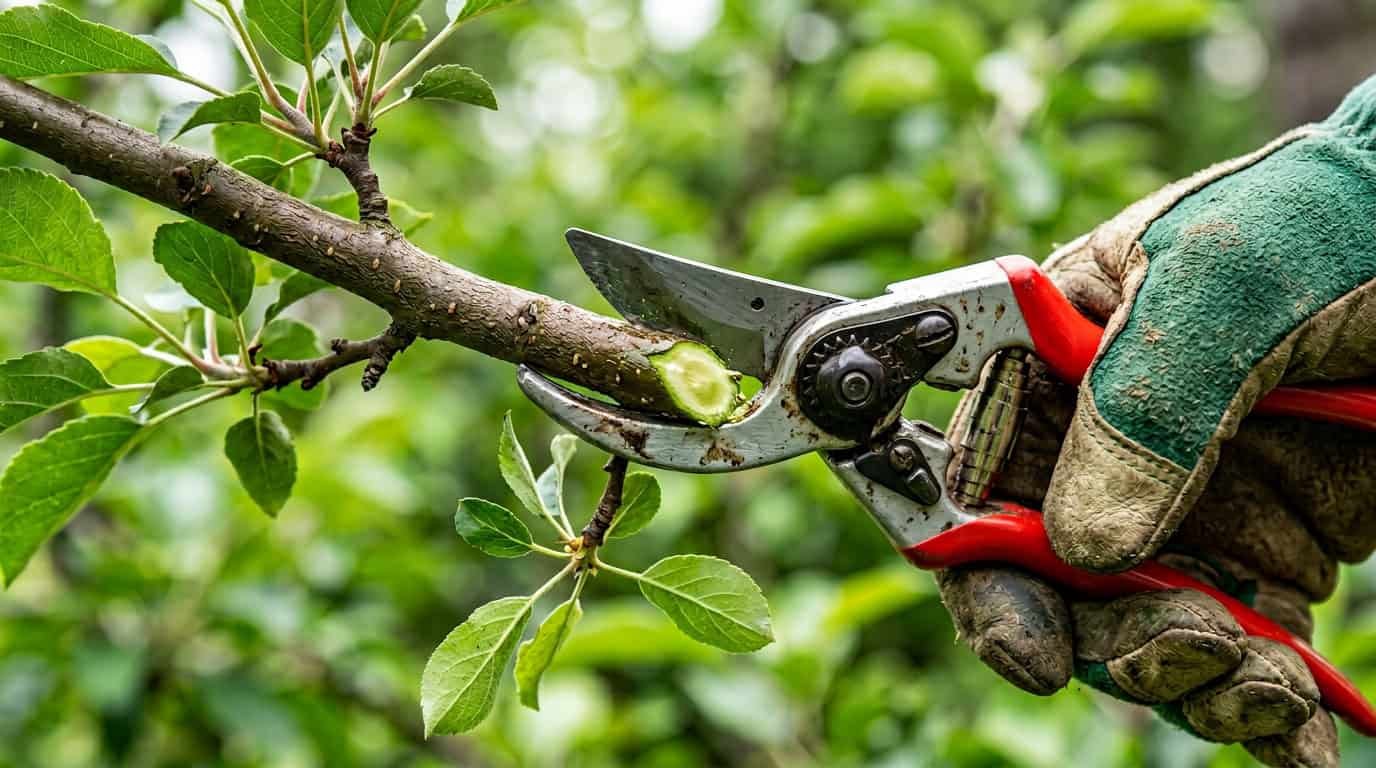
Tree Pruning
Aesthetic and structural trimming for health and vigour.
Explore Service →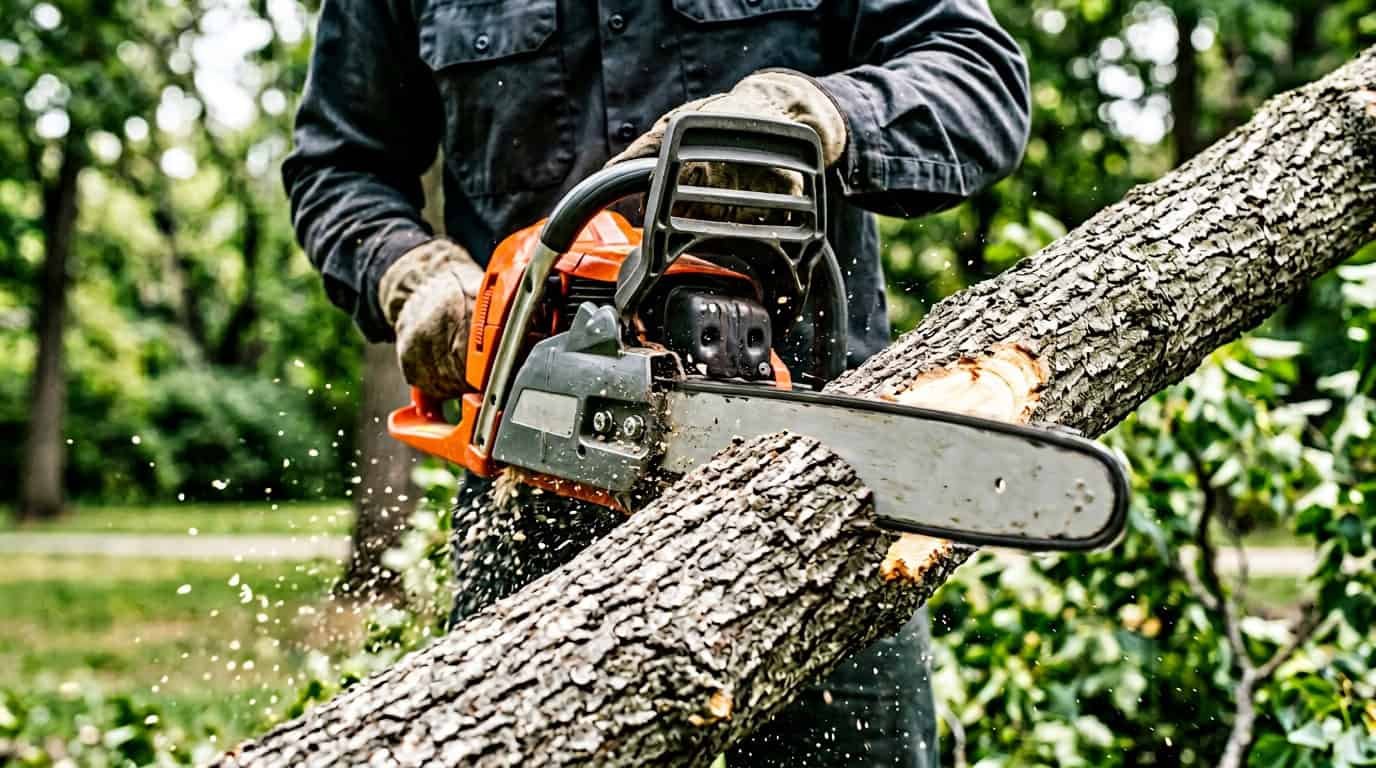
Tree Trimming
Maintaining clearance and shape for residential landscapes.
Explore Service →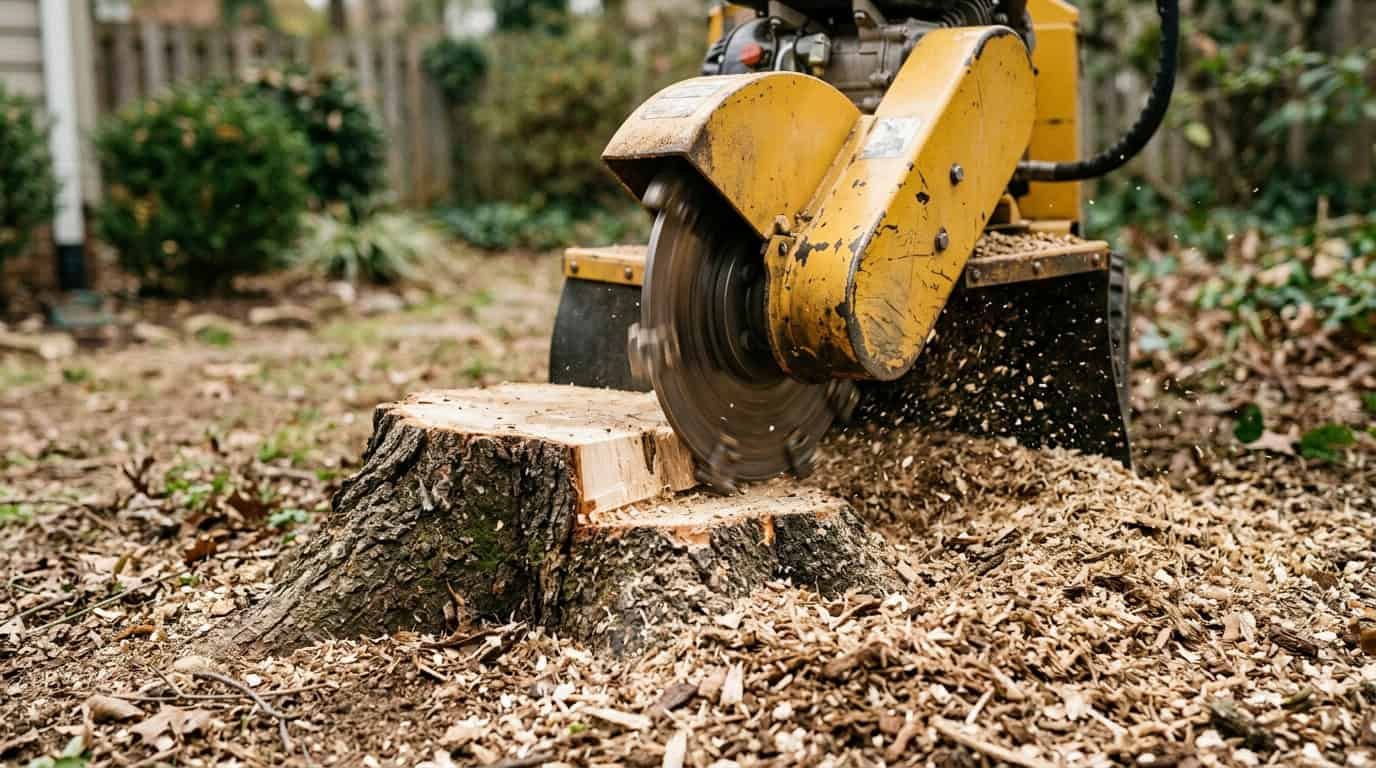
Stump Grinding
Efficient processing of stumps and timber waste into mulch.
Explore Service →Explore More Tree Care Resources
Continue browsing TreeCareLabs resources to understand tree care topics, compare options, and know when a tree issue needs expert attention.