
Tree Pruning
Explore expert-backed guides on when, why, and how pruning supports tree structure, long-term health, clearance, airflow, and aesthetic form — and how to avoid common mistakes.

Explore Tree Pruning Guides
In-depth guides, practical explanations, and expert references covering tree pruning topics — written to help you understand before you act.
Tree Topping
Why topping harms trees, alternatives like crown reduction, and when topping may be used.
Explore →Pollarding
Traditional pollarding methods, species suited to it, and long-term management considerations.
Explore →Deadheading
Removing spent flowers and growth to extend blooming, improve plant health, and tidy form.
Explore →Tree Pruning Reference Overview
Pruning is the selective removal of certain parts of a plant, such as branches, buds, or roots. It is practiced in horticulture, arboriculture, and silviculture. The practice entails the targeted removal of diseased, damaged, dead, non-productive, structurally unsound, or otherwise unwanted plant material from crop and landscape plants.
Why Pruning Matters
In general, the smaller the branch that is cut, the easier it is for a woody plant to compartmentalise the wound and thus limit the potential for pathogen intrusion and decay. It is therefore preferable to make any necessary formative structural pruning cuts to young plants, rather than removing large, poorly placed branches from mature plants.
Self-Pruning & Natural Processes
Woody plants may undergo a process referred to as self-pruning, where they drop twigs or branches that are no longer producing more energy than they require. This process can also occur in response to lack of water, reducing the surface area where water loss occurs.
Timing & Technique
Pruning timing depends on species, goal, and season. Structural pruning during dormancy minimises stress. Pruning during active growth can stimulate new growth but increases disease risk if cuts are not made cleanly. Understanding CODIT (Compartmentalisation of Decay in Trees) is essential to effective, safe pruning practice.
Wikipedia: Pruning
The comprehensive reference covering pruning science, techniques, timing, and application across horticulture and arboriculture.
Visit Source →Pruning cuts made to young plants are far less harmful than cuts made to mature trees — early formative pruning is the most cost-effective investment in long-term tree health.
Need Professional Help?
If your research points to a tree issue that needs professional assessment, TreeCareLabs can connect you with qualified tree care professionals for removal, pruning, trimming, and stump grinding services.
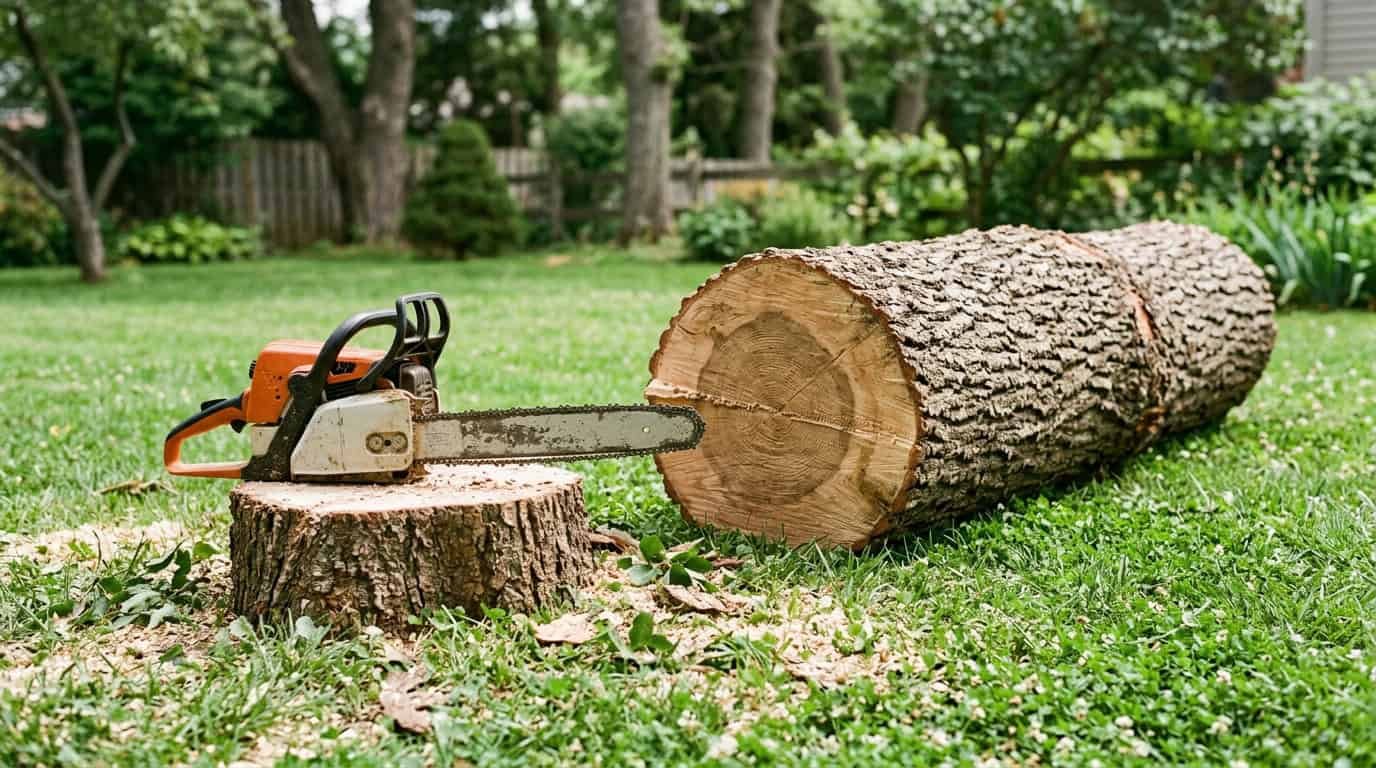
Tree Removal
Complete and safe removal of dangerous or unwanted trees.
Explore Service →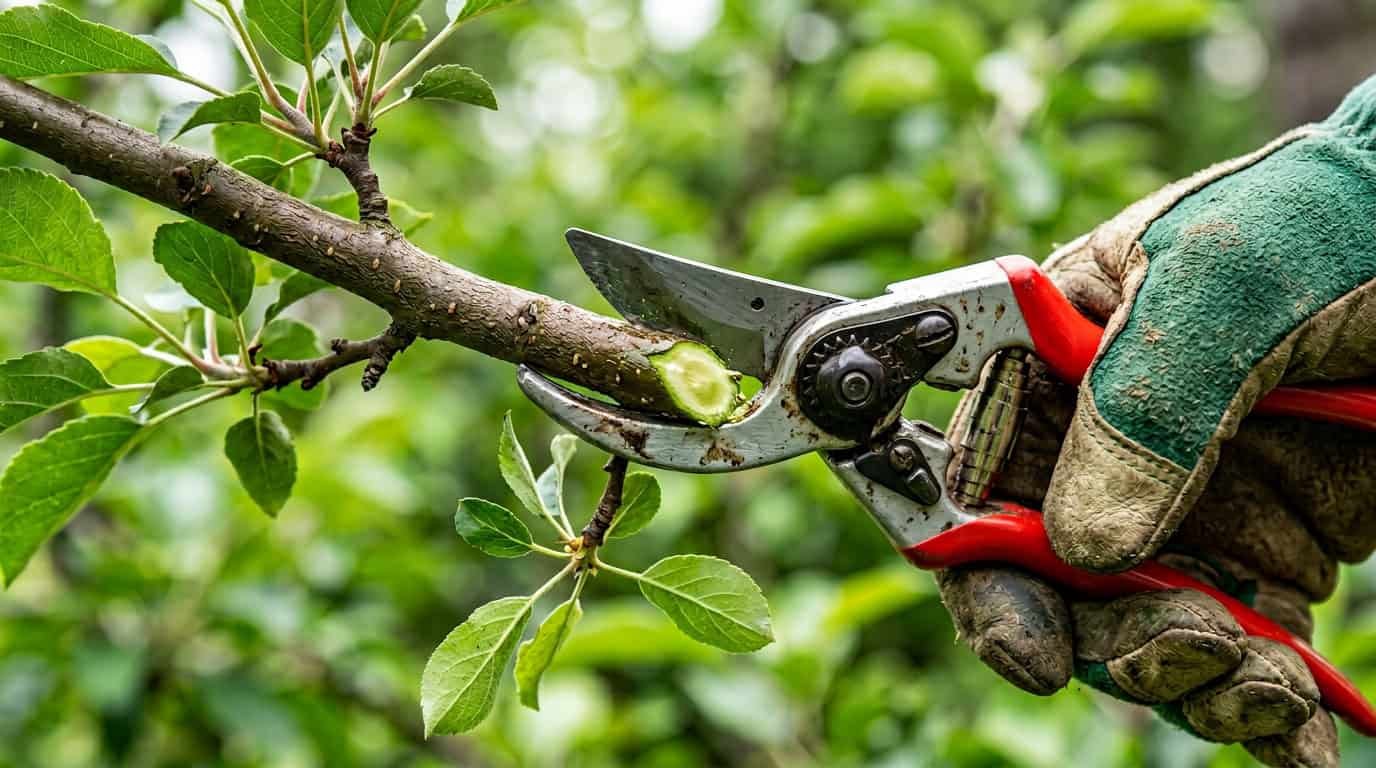
Tree Pruning
Aesthetic and structural trimming for health and vigour.
Explore Service →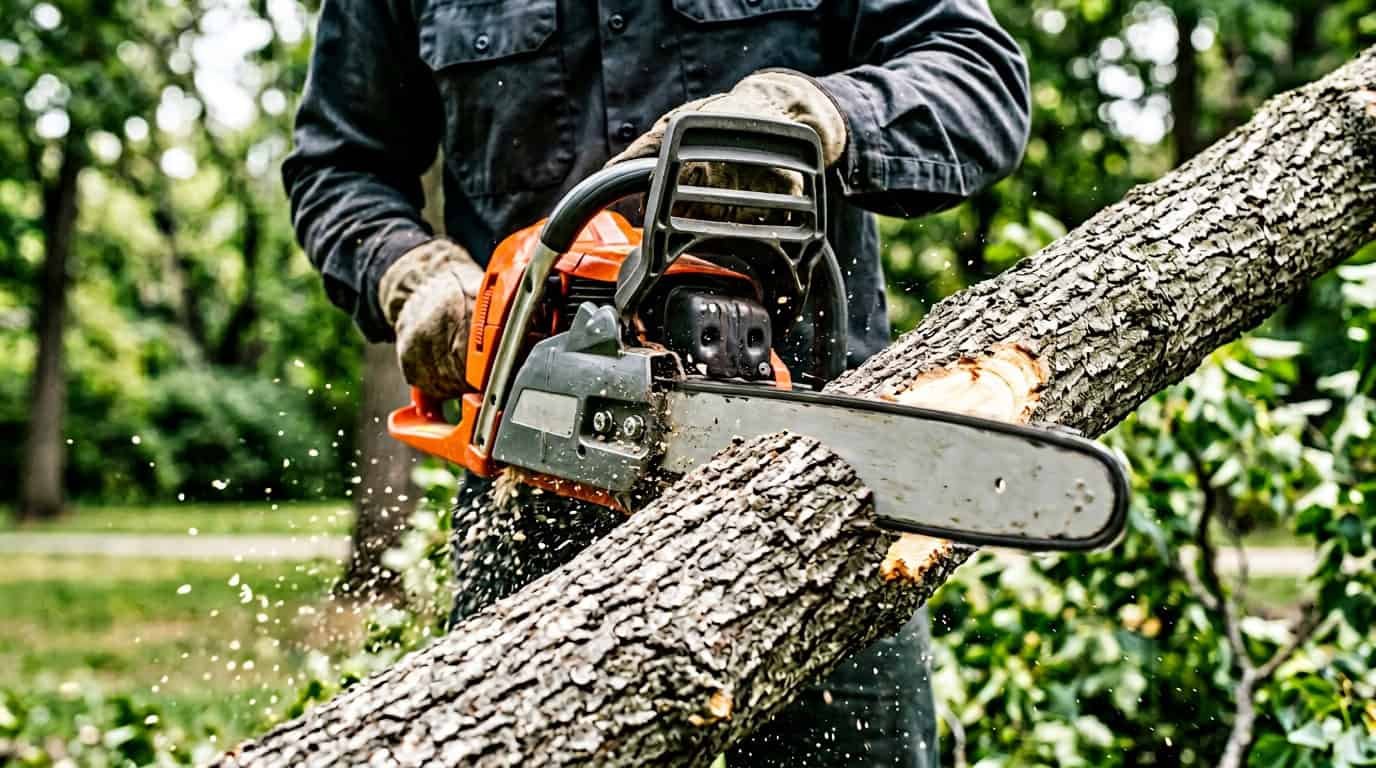
Tree Trimming
Maintaining clearance and shape for residential landscapes.
Explore Service →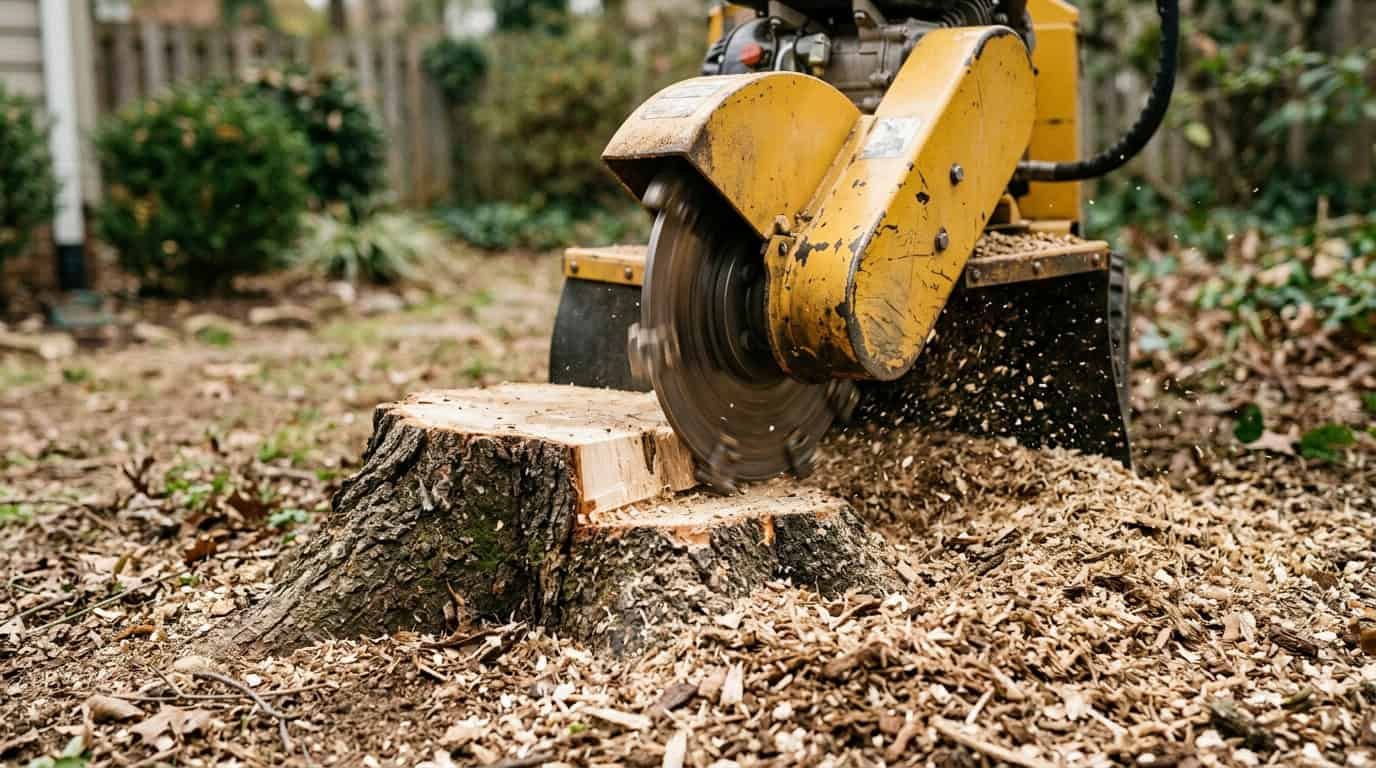
Stump Grinding
Efficient processing of stumps and timber waste into mulch.
Explore Service →Explore More Tree Care Resources
Continue browsing TreeCareLabs resources to understand tree care topics, compare options, and know when a tree issue needs expert attention.