A Field Guide to Tree Top Removal
Tree topping isn't pruning - it's amputation that triggers decay, weak regrowth, and structural failure. Learn what i...
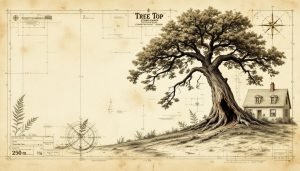
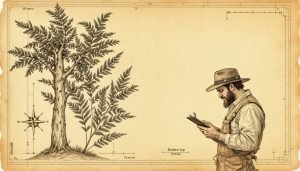
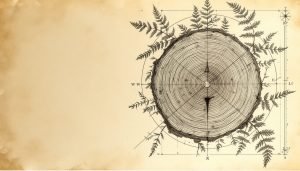
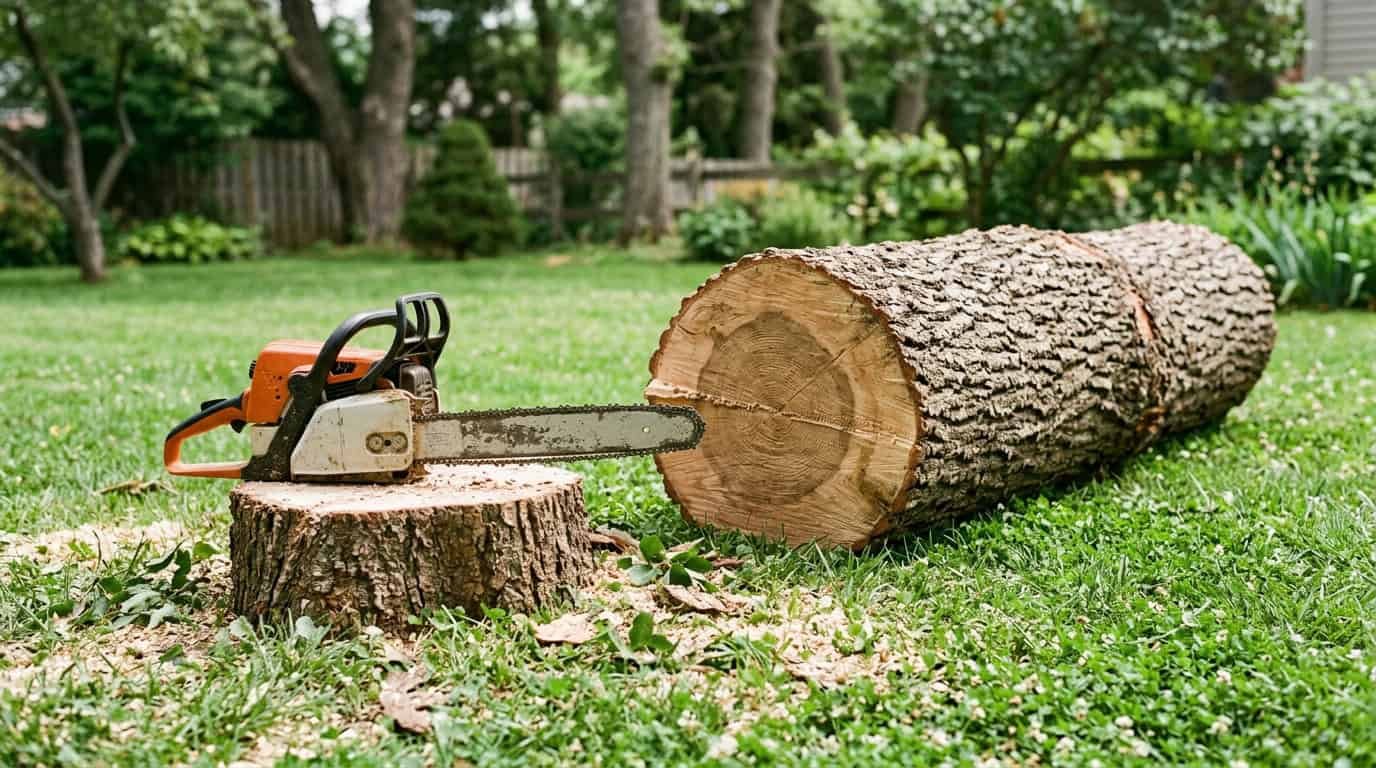
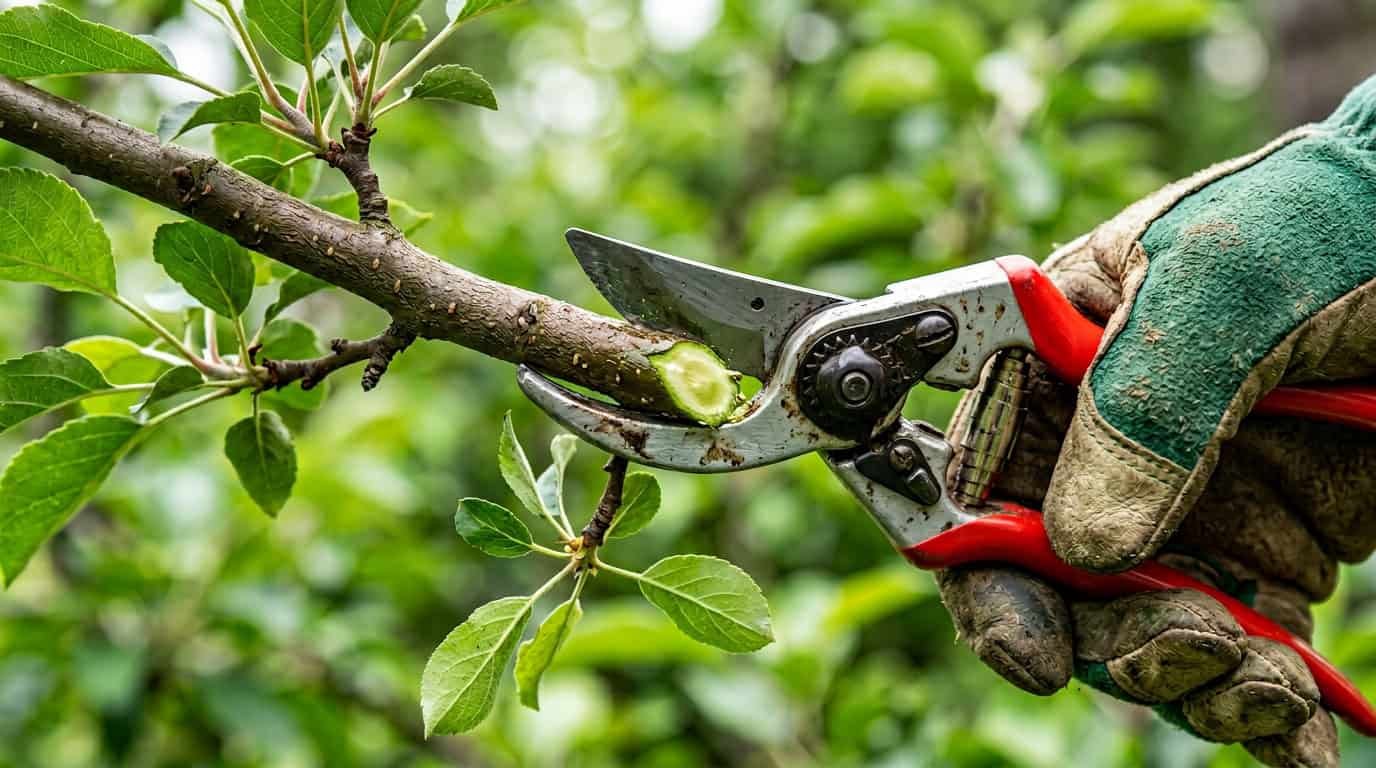
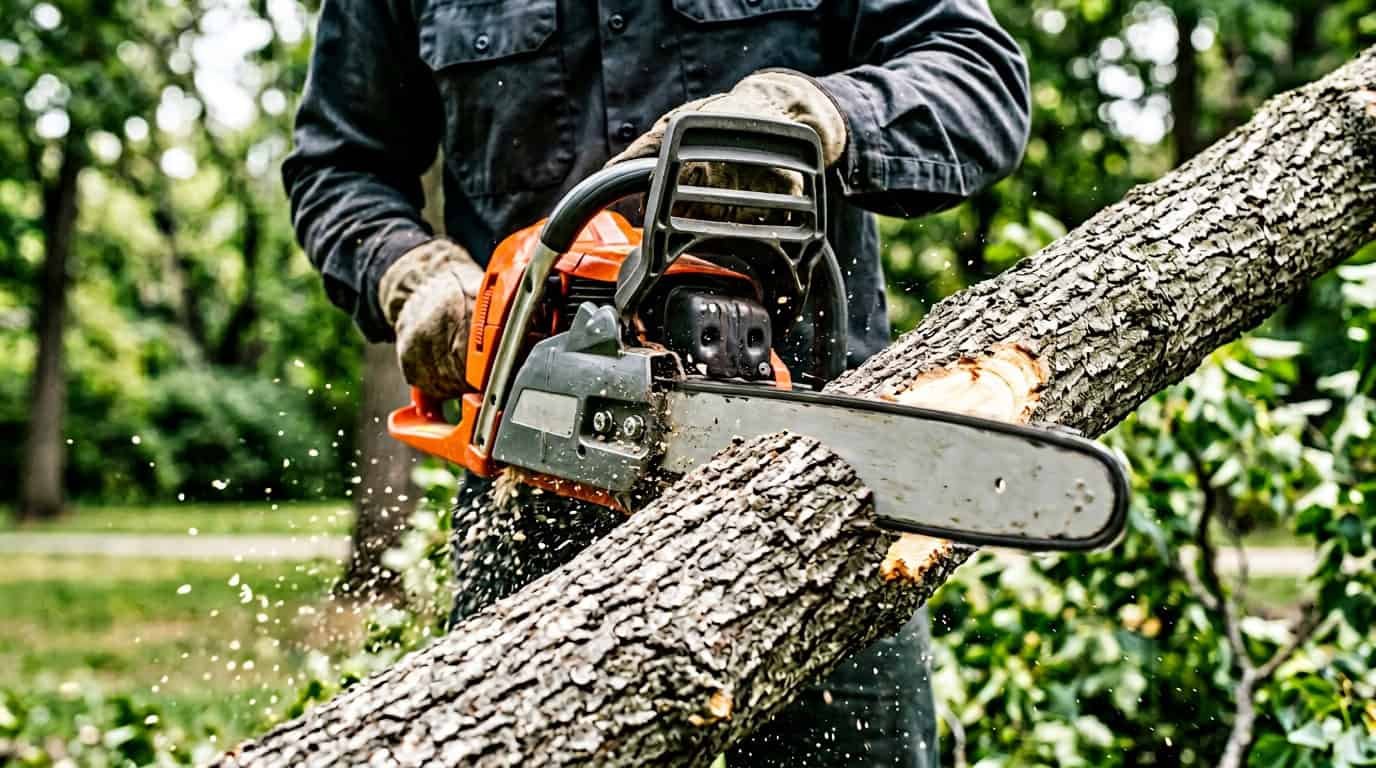
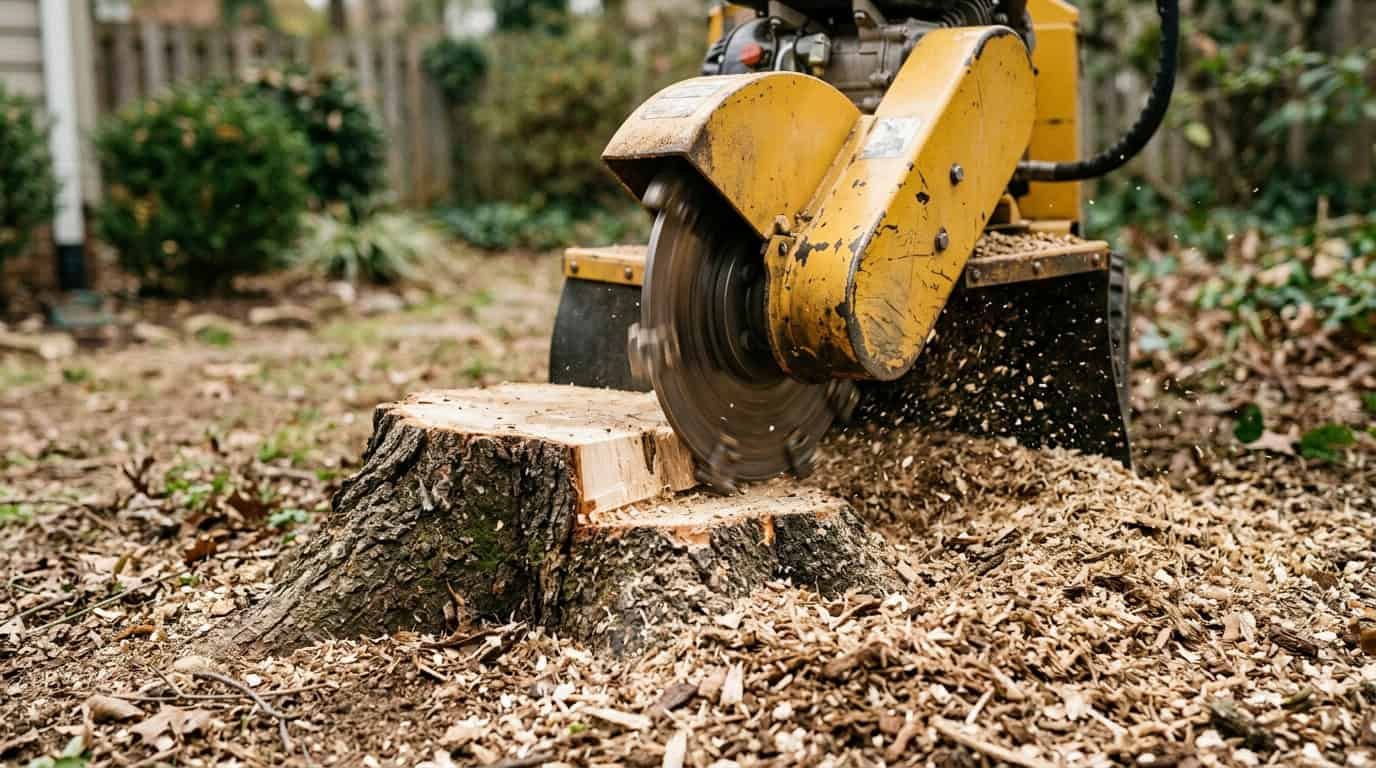
Tree topping is the indiscriminate cutting of tree branches to stubs or lateral branches too small to assume the terminal role, resulting in large wounds and dramatic alteration of the tree's natural form. Topping is widely condemned by arboricultural science and the ISA as a harmful practice that accelerates decay, stimulates excessive epicormic growth, and ultimately shortens tree lifespan. Despite this, it remains common because it appears to reduce tree size quickly and cheaply. This collection covers why topping harms trees, what alternatives exist, how to identify a topped tree, and when — if ever — severe crown reduction may be justified under professional supervision.
Reference Notes
All our guides are written to help property owners and professionals make better tree care decisions.