Fire-free Clearing Wildfire Risk: Explained by Arborists
Learn why slash mats form, the risks they pose, and proven techniques for safe removal using the right equipment and timing.
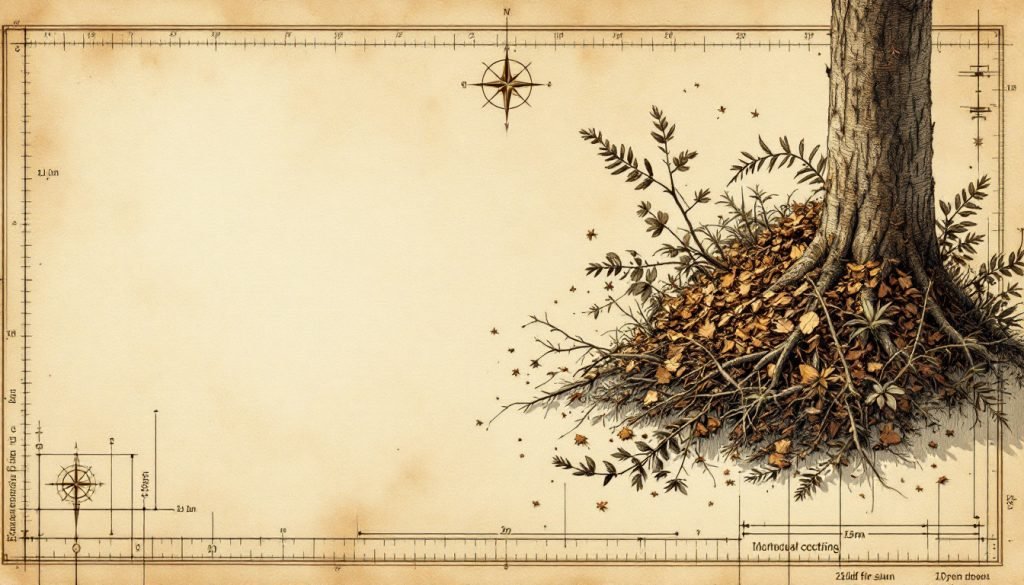
- Slash mats are compressed layers of tree debris 6–18 inches deep. Remove within 7–10 days while still green for easiest handling. Use a compact loader with grapple or forestry mulcher for fastest removal. Never leave mats against tree trunks or on turf more than 14 days. Test soil compaction after removal and reseed or resod immediately.
You just had a large oak taken down and the crew left behind a dense carpet of branches, needles, and chips criss-crossing your back lawn. Walking across the yard feels like navigating a sponge that shifts under every step. That tangled layer is a slash mat—an interlocking mass of slash (tree debris) that can smother turf, harbor pests, and block access for follow-up work. As an ISA Board Certified Master Arborist who has overseen thousands of removals, I’ll walk you through why these mats form, how to assess the risks, and the most efficient ways to remove them without damaging what remains of your landscape.
By the end of this guide you’ll understand the mechanical structure of slash mats, know which tools speed removal, recognize the common mistakes that injure both workers and soil, and have a clear timeline for when to act so you can restore the site quickly and safely.
What Slash Mats Are and Why They Form
A slash mat is a compressed layer of tree debris—branches, twigs, needles, leaves, and chips—left on the ground after felling or pruning operations. The debris settles under its own weight and the action of follow-on equipment, creating an interlocking lattice that can be 6–18 inches deep on a large-tree removal. Microscopic hooks on needles and bark fibers snag one another, while chips and fines migrate downward to form a dense, semi-cohesive sheet that resists wind and foot traffic.
The mat’s stability increases over the first 24–72 hours as sap and moisture act like a natural adhesive. This gluing effect is strongest when slash is still green; dried material is more brittle and breaks apart easily. The mat’s footprint generally mirrors the tree’s drip line, meaning a 60-foot white pine can leave a circular mat 40–50 feet in diameter.
Slash: Any residual tree material—branches, tops, bark, or chips—left on site after harvesting or tree removal.
Hidden Dangers Under the Tangle
A slash mat can conceal sharp branch stubs, loose chain links, or even the sawyer’s forgotten wedges. Stepping onto the mat without inspection has led to lacerations and ankle injuries on my crews. The mat also traps moisture, creating ideal conditions for fungal mats and carpenter ants. In one case, a homeowner left fresh slash over dormant St. Augustine grass; three weeks later, 70 % of the lawn had rotted out and required resodding.
Beyond immediate safety, the mat impedes site grading and stump grinding. Equipment tires spin on the loose surface, and grinding teeth gum up with packed needles. Removing the mat first reduces grinder time by roughly 25 % and prevents premature dulling of carbide cutters.
Warning Signs to Watch For
- Visible sap drip: Indicates green slash—heavier and stickier to handle
- Steam rising in morning: Sign of active microbial breakdown and heat buildup
- Soft, boggy feel underfoot: Shows soil saturation; equipment may sink or rut
Tools and Equipment That Make Removal Efficient
The right machines turn a day-long chore into a two-hour job. A compact track loader with a grapple bucket lifts and carries whole sections of slash without tearing turf. A skid steer fitted with a forestry mulcher can reduce the mat to usable chips on site, saving hauling costs. For smaller lawns, a heavy-duty wheelbarrow, a 36-inch steel rake, and a pair of loppers handle 90 % of the work.
Hand crews should wear Kevlar chaps, cut-resistant gloves, and steel-toe boots because needles penetrate tennis shoes like nails. A 125 cc chipper handles limbs up to 4 inches; anything thicker goes to the firewood pile. Always stage a tarp or dump trailer within 30 feet of the mat to minimize dragging distance and turf wear.
Tools You Will Need
- Compact track loader with grapple: Moves bulk slash without rutting
- Forestry mulcher head: Converts slash to chips in place, reducing volume by 60 %
- Steel landscape rake: Breaks apart compressed layers and levels soil
- Chipper or burn box trailer: Eliminates debris from site or on-site disposal
Step-by-Step Removal Process
Start at the uphill edge so gravity works with you. Use the loader to peel back one 6-foot strip of slash at a time, working in lanes like mowing grass. If the mat is deeper than 12 inches, flip it once to dry the underside; moisture reduction cuts chipper jams by half. Once the bulk is gone, rake the residual chips into windrows and decide: compost on site, haul away, or spread as erosion control under remaining trees.
Test soil compaction after removal by pushing a screwdriver 6 inches into the ground. If it stops short, aerate before reseeding turf. Water the area lightly to settle fines, then broadcast rye or fescue seed at 8 lbs per 1,000 square feet for quick cover.
Cleanup Checklist
- Walk the site and flag any hidden hazards
- Peel slash in strips, working downhill
- Flip and dry mats over 12 inches thick
- Chip or haul debris; stage piles away from structures
- Rake soil smooth and test for compaction
- Seed or sod to prevent erosion
Timing: When to Remove for Best Results
Remove slash within 7–10 days when it’s still green and easy to handle. After two weeks the mat starts to compost in place, generating internal temperatures above 130 °F that can scorch underlying turf roots. In drought periods, wait for early morning when sap is cooler and dust is minimal. Avoid removal during active rainfall; saturated soil ruts under even light equipment loads.
When to Act
Best window: 3–7 days post-felling. Why this timing matters: Green slash is heaviest but least brittle, making grapple work faster; after 14 days, internal decay makes the mat lighter but more prone to breaking into unmanageable chunks.
Disposal Options: Chip, Burn, or Haul
Chipping turns slash into usable mulch that suppresses new weeds and conserves soil moisture. A local arborist will often chip and remove debris for $75–$125 per ton, less than half the cost of landfill tipping fees. Burning is legal in many rural counties but requires a permit and a 50-foot clear radius; never burn when wind exceeds 10 mph. Hauling to a municipal compost site is fastest for urban lots but costs $35–$50 per cubic yard plus trucking.
On large properties, consider staging slash in windrows for future biochar production or wildlife habitat piles. A 20-foot-long, 6-foot-high pile will settle to half height in six months and provide cover for beneficial snakes and small mammals.
Common Mistakes That Cost Time and Money
The biggest error is attacking the mat with a leaf blower—needles simply embed deeper. Another frequent misstep is piling slash against remaining tree trunks, creating a ladder for fire and voles. Attempting to compost whole branches without chipping first leads to anaerobic pockets that stink and attract flies. Finally, skipping soil compaction tests often results in lawn failure six months later, leading to costly resodding.
Common Mistakes to Avoid
- Leaf blower approach: Blowers tangle debris tighter; use a rake or loader
- Piling against trunks: Creates pest harborage and fire ladder fuels
- Ignoring soil compaction: Leads to dead patches that require reseeding or sod
Pro Tip: If your chipper struggles with pine needles, feed a straight branch first to give the knives something solid to bite. The needles then follow the branch cleanly, reducing jams by 80 %.
What to Do Next
Walk the site today and mark any hidden hazards with landscaping flags. Schedule loader or hauling services within the next week if the slash is still green. Once the mat is gone, test soil compaction, install seed or sod, and set a reminder to inspect the area after the first hard rain to ensure erosion control measures are holding. If you spot stump grinding needs, coordinate that task right after slash removal while equipment is on site to save a second trip fee. A clean, level lawn free of slash mats is the first step toward whatever comes next—whether that’s new planting, landscape renovation, or simply enjoying an unobstructed view.