Tritucap Brush Size Capacity: Explained by Arborists
Professional tree removal timelines explained by an ISA Master Arborist - from first assessment to final cleanup.
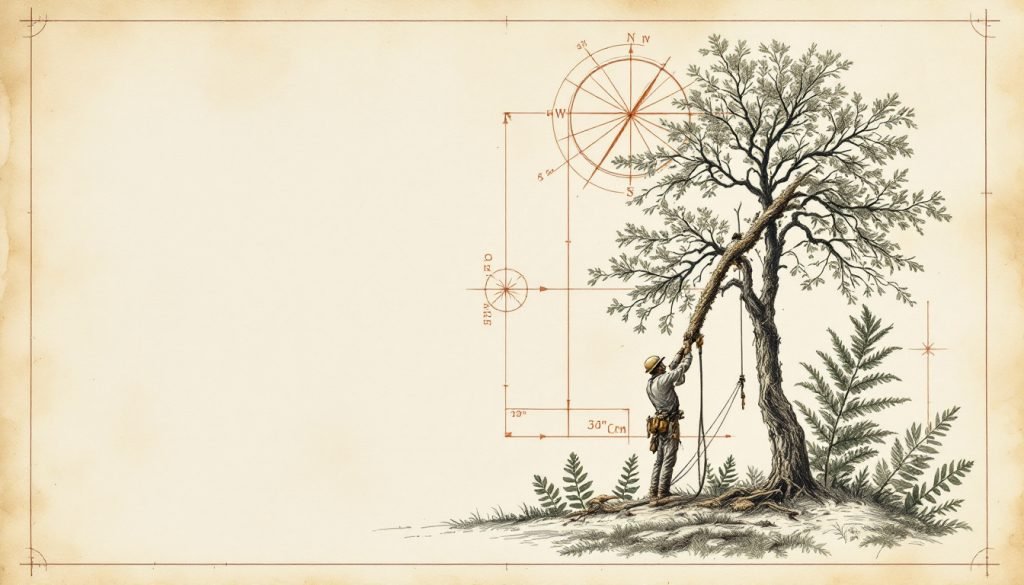
- Small trees under 25 ft with clear drop zone finish in 45-90 minutes. Medium trees in suburban yards typically take 2-4 hours total. Large trees or those with obstacles can require 6-10 hours and crane assistance. Permits, utility coordination, and weather can add 1-3 days before cutting starts. Always get written timeline estimates from ISA Certified Arborists before scheduling.
You’re staring at the aging maple that’s threatening the garage roof, or maybe the storm-damaged pine that’s split down the middle. The question echoing in your mind isn’t just can it come down—it’s how long will my yard be a work zone? Will the crew be here for two hours, two days, or two weeks? As an ISA Board Certified Master Arborist who’s planned thousands of removals across Texas, I can tell you the honest answer is: anywhere from 45 minutes to three full days. The spread is wide because tree work follows a biological and mechanical logic more than a calendar.
By the end of this article, you’ll know exactly what factors stretch or shrink that timeline, how to spot the red flags that add hours, and the sequence your crew should follow so you can plan your day—and your driveway—around the work.
What Drives the Timeline: Biology, Mechanics, and Red Tape
Three forces govern every removal: the tree’s architecture, the crew’s Tritucap woodchipper, and the city’s regulations. A 40-foot cedar elm with a 30-inch trunk and a perfect lean toward open lawn can hit the ground in under an hour once the saw starts. The same tree leaning over a swimming pool, wrapped in power lines, might take a day and a half because the crew must rig each limb with lowering devices and coordinate with the utility company.
Species matters too. Cottonwoods drop giant, brittle limbs that require extra cuts and smaller chain-saw bars to prevent tearing. Live oaks are dense—one cubic foot weighs 55 pounds green—so every section must be cut smaller to stay within the crane’s capacity. Add in a protected historic district that requires a permit posted 48 hours before cutting, and the calendar extends even though the tree itself hasn’t changed.
Crane-assisted removal: Using a mobile crane to lift and lower tree sections vertically, eliminating the need to drop limbs through open air.
Typical Duration by Tree Size and Site Complexity
Small trees under 25 feet with trunk diameters under 10 inches and clear drop zones rarely exceed one hour. The crew sets up, makes the face notch, back cut, and the tree tips cleanly. Cleanup of limbs and bucking the trunk adds another 30-45 minutes if you want it hauled away rather than stacked on site.
Medium trees—25-50 feet tall, 12-20 inches diameter—run two to four hours. This category covers most suburban red oaks and pecans. Time increases because the crew must chunk the trunk into rounds small enough for two people to lift into the chipper. If the tree stands six feet from the fence line, each limb must be tied off and guided, adding rigging time.
| Tree Size | Clear Site | Obstacles Present | Crane Required |
|---|---|---|---|
| Small (≤25 ft) | 45-90 min | 2-3 hrs | Rarely |
| Medium (25-50 ft) | 2-4 hrs | 4-6 hrs | Sometimes |
| Large (≥50 ft) | 4-6 hrs | 6-10 hrs | Common |
| Extra-large heritage | 1-2 days | 2-3 days | Standard |
Large trees above 50 feet or those with trunks over 30 inches routinely require a full day. Crews bring a 75-ton crane, log truck, and a four-person ground team. Heritage live oaks over 100 years old can demand two to three days not because of cutting speed, but due to careful sectional dismantling to protect nearby structures and preserve valuable lumber.
Step-by-Step Breakdown: From First Cut to Final Sweep
Arrival and setup (15-45 minutes): The truck parks, cones go out, the chipper faces downwind, ropes are flaked out, and chainsaws fueled. In tight lots, the crane must be positioned on the street with outriggers on plywood pads—each pad placement and level check adds time.
Climb and rig (30-90 minutes): The climber ascends using a throw line and installs a primary climbing line and at least one rigging line through a high crotch. Every limb destined for the chipper gets a tag line so the ground crew can guide it away from the roof. Limbs over 4 inches diameter are cut in sections, not dropped whole.
Sectional trunk removal (45 minutes to 4 hours): The climber sets a top removal cut 2-3 feet long, attaches the crane hook, and radios the operator. Each trunk chunk is cut, lifted clear, and swung to the landing zone. The rhythm depends on crane operator skill and communication clarity—one mis-timed lift can add 10-15 minutes.
Day-of Checklist for Homeowners
- Move cars out of driveway before crew arrives
- Unlock gates and remove backyard dogs
- Inform neighbors so they can close windows facing the drop zone
- Shut off sprinklers to avoid muddy footing around chipper
Stump and cleanup (30-120 minutes): Stump grinding is a separate operation that usually happens the same day if the crew has the grinder on a second truck. Wood chips are blown into the truck or left on site per your request. Final raking and magnet sweep for nails or hardware take the last 15 minutes.
Hidden Time Adders: Permits, Utilities, and Weather
Permits can eat a day or two before the saw ever starts. Dallas requires a 24-hour posted notice for street tree removal; Austin’s heritage tree ordinance demands 10 business days plus an arborist report. If your contractor says “we’ll handle permits,” ask for the tracking number so you can verify posting dates.
Utility coordination adds the largest unknown. Oncor in Texas needs 48-hour notice to drop primary lines; if the tree crew arrives and the line isn’t grounded, everyone waits. Underground gas lines discovered during stump grinding require a second 811 ticket and a new crew, tacking on another day.
When to Act
Best window: late fall through early spring when trees are dormant, leaves are off (easier rigging visibility), and ground is firm enough for crane outriggers. Summer removals in 100°F heat slow crews due to mandatory hydration breaks and thicker foliage that must be chipped separately.
Weather delays are real. Wind above 25 mph stops crane work; lightning within 10 miles halts everything. A morning thunderstorm can push the job to the next day because setup takes time and the crew can’t leave a half-cut tree standing overnight.
DIY vs Professional: Where Homeowners Hit the Time Wall
Homeowners armed with a 20-inch homeowner saw can drop a 12-inch pine in about three hours—if everything goes right. But that estimate assumes you already own wedges, felling bars, and have a clear landing zone. Renting a chipper adds another hour for pickup and return, plus half a day if the rental shop is busy on Saturday morning.
The hidden time sink is cleanup. A professional crew chips limbs as fast as they come down. A homeowner piles branches, cuts them to 4-foot lengths, and makes multiple dump runs. What a crew finishes in 90 minutes often turns into a weekend project for the DIYer.
Common Mistakes to Avoid
- Underestimating drop zone: The tree’s height plus 25% buffer. One miscalculated lean can smash the fence you meant to save.
- Dull chain syndrome: A homeowner chain that hasn’t been sharpened since last year turns a 30-minute cut into two hours of smoking frustration.
- Ignoring stump grind: Leaving a 30-inch stump because the rental grinder broke adds surprise rental fees and another half-day.
Regional and Species Variations: Why Live Oaks Take Longer
In Central Texas, live oaks dominate urban landscapes. Their dense wood and wide-spreading branches mean every cut produces heavier pieces that must be rigged individually. A 45-foot live oak typically takes two hours longer than a same-size pecan because the limbs don’t snap cleanly—they splinter and bind the saw.
Houston’s loblolly pines grow fast and tall, often 80+ feet with trunks clear of branches for the first 40 feet. These straight boles can be felled whole if space allows, shortening time. However, their sap gums up chains every 20 minutes, requiring extra bar oil and cleaning stops.
West Texas mesquite presents the opposite challenge: multiple trunks splitting near the base, twisted grain, and thorns that shred climbing lines. A 25-foot mesquite cluster can outlast a 60-foot pine removal because every trunk must be roped and pulled individually to avoid fence damage.
What to Do Next: Planning Your Removal Day
Call three ISA Certified Arborists for written estimates that specify start and finish times. Ask specifically: “What time will the crew arrive, and when can I expect my driveway clear?” Reputable companies give a 2-hour arrival window and finish within 10% of the quoted duration for standard removals.
Schedule the work on a weekday if possible—crane companies and chip dumps are less crowded, reducing wait times. Confirm 48 hours ahead that permits are posted and utilities notified. If the forecast shows wind above 20 mph or storms within six hours, reschedule rather than deal with a half-finished tree swaying overhead overnight.
Finally, walk the site with your arborist the day before. Point out irrigation lines, decorative stonework, or that sprinkler head hiding behind the shrub. Ten minutes of discussion can save an hour of repair costs later. When the crew shows up with the right plan, the timeline shrinks, and your stress disappears along with the tree.
For more on system key components and chipping debris management, check our detailed guides. Additional safety and timing insights can be found in the OSU Extension factsheet.