Tree Trunk Disposal Permits From the Ground Up
Cutting tree roots can save your foundation or kill your tree. Learn which roots to cut, how to do it safely, and when to call an arborist.
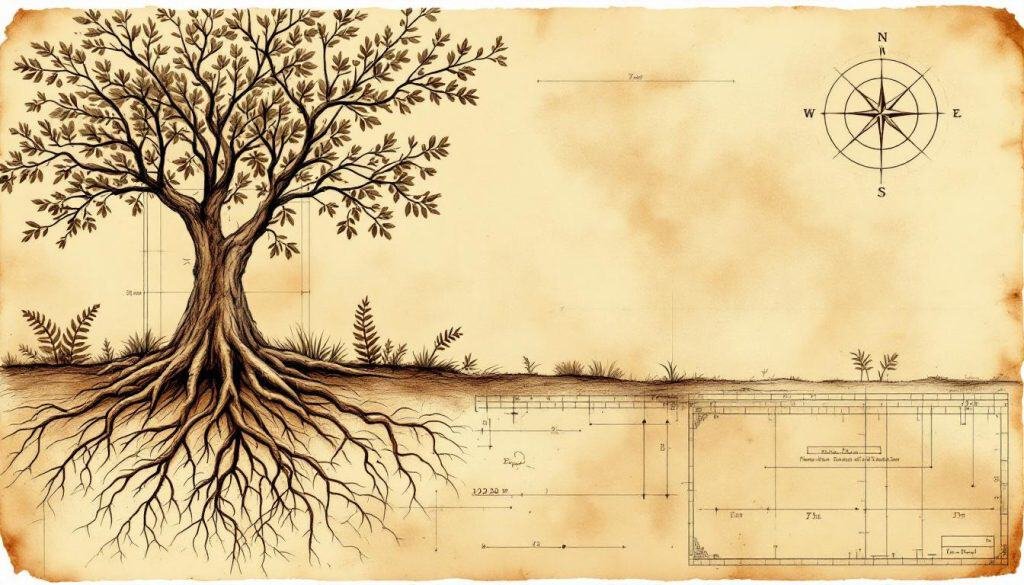
- Tree roots spread 2-3x canopy width, mostly in top 18 inches of soil. Never cut roots over 4 inches within 10 feet of mature trees. Cut during dormancy, never remove over 20% of root system annually. Buttress roots and all roots on one side must remain intact. For heritage trees or roots within 5 feet of trunk, consult a Master Arborist.
You noticed a hairline crack running up your foundation, or maybe the sidewalk has lifted three inches overnight. A mature tree sits nearby, and its roots snake toward your house like nature’s own demolition crew. Before you grab a chainsaw or call a contractor, you need to understand which roots matter, which ones you can safely sever, and which cuts will turn your shade tree into a hazard waiting to fall.
As an ISA Board Certified Master Arborist, I’ve assessed thousands of trees after well-meaning homeowners severed critical roots. Some trees survived with minimal impact; others declined over 3-5 years before becoming safety risks. The difference lies in understanding root biology, making precise cuts, and knowing when professional assessment is non-negotiable.
Understanding Tree Root Biology and Function
Tree roots operate on a simple principle: the fine feeder roots (1-2 mm diameter) absorb water and nutrients, while larger structural roots provide anchorage and transport. The critical zone extends outward from the trunk to a distance of 1-1.5 times the tree’s height, not just to the drip line as commonly believed. Within this zone, roots may occupy the upper 18-24 inches of soil, creating a vast network that can spread 2-3 times wider than the canopy above.
When you cut a root, the tree responds by compartmentalizing the wound and redirecting growth to remaining roots. However, this process requires significant energy reserves. Removing more than 20% of a tree’s root system in a single season stresses the tree, making it vulnerable to pests, diseases, and environmental extremes. The tree’s ability to withstand root loss depends on species, age, health, soil conditions, and which specific roots are removed.
Root Pruning: The selective removal of tree roots for specific objectives like infrastructure protection, while maintaining tree health and stability.
Oaks, maples, and pines each respond differently to root cutting. Oaks store tremendous energy in their root systems and can tolerate up to 25% root loss when healthy. Maples regenerate roots quickly but are prone to decay entering through cut surfaces. Pines depend heavily on a symmetrical root system for wind resistance, making any significant root loss potentially hazardous.
Identifying Which Roots Can Be Safely Cut
Before cutting any root, determine its size relative to the trunk. Measure the trunk diameter at 4.5 feet above ground (DBH). Any root over 2 inches diameter within 6 feet of a mature tree likely serves a structural function. These large roots often have bark patterns matching the trunk and may show buttressing where they emerge from the trunk flare.
Follow the root’s path to understand its destination. Roots growing under foundations, driveways, or sidewalks typically run parallel to the structure, seeking the moisture gradient created by the impervious surface. These roots often can be severed further from the tree where they turn toward the structure. The key is cutting at the maximum distance from the trunk while achieving your objective.
Roots That Should Never Be Cut
- Buttress roots: The large roots emerging from the trunk flare – removing these destabilizes the tree
- Roots over 4 inches diameter: Within 10 feet of the trunk on mature trees – these provide critical anchorage
- All roots on one side: Removing roots only from the side opposite prevailing winds creates imbalance
- Surface roots with decay: Dark, soft, or mushroom-covered roots indicate advanced decay that compromises the entire root
Examine the root collar for signs of decay or girdling roots. If the tree shows any crown dieback, fungal conks, or bark cracks, root cutting becomes exponentially more risky. These symptoms indicate existing stress or decay that compromises the tree’s ability to respond to additional injury.
Proper Root Cutting Techniques and Tools
Root cutting requires sharp, clean tools appropriate to the root size. For roots under 1 inch diameter, bypass pruners provide clean cuts that heal quickly. Roots 1-3 inches need a sharp pruning saw or reciprocating saw with a pruning blade. Larger roots require a chainsaw with a sharp chain, but consider the increased wound size and slower healing.
Make the cut perpendicular to the root’s length, not at an angle. Angled cuts create larger wound surfaces that take longer to compartmentalize. Position cuts at least 3 feet beyond where the root causes problems, if possible. This extra length preserves more feeder roots while solving your infrastructure issue.
Essential Root Cutting Equipment
- Sharp pruning saw: 14-16 inch blade with aggressive teeth for roots under 4 inches
- Reciprocating saw: With pruning blade for precise cuts in tight spaces
- Sharp spade:
- Root barrier material: 40-mil HDPE plastic to redirect future growth
For excavating soil around roots without additional damage
After cutting, remove only the problematic root section. Avoid the temptation to “clean up” by cutting back further than necessary. The remaining root stub will compartmentalize the wound and may generate new feeder roots. Never apply wound dressings or sealants – these trap moisture and promote decay.
When to Call a Certified Arborist
- Roots over 4 inches within 10 feet of the trunk
- Tree shows any signs of decline, decay, or pest activity
- Tree leans toward targets or has sparse canopy on one side
- Multiple large roots require removal for construction
- Heritage or specimen trees over 50 years old
The cost of professional assessment (typically $200-500) pales compared to tree trunk disposal options ($3,000-10,000) or repairing damage from a fallen tree ($20,000-100,000+). Most arborists can provide root cutting services or recommend qualified contractors who understand tree preservation requirements.
Long-Term Management After Root Cutting
After root cutting, monitor the tree for 3-5 years for signs of stress or decline. Normal responses include reduced growth rate, smaller leaves, or minor twig dieback in the first year. More serious symptoms – crown thinning, large branch dieback, or fungal conks – indicate the tree cannot compensate for root loss.
Support tree recovery with proper care: water during drought, avoid fertilizer excesses, and prevent additional stresses like construction damage. Mulch the root zone 2-4 inches deep, extending at least to the drip line. This reduces competition from turf and moderates soil temperature and moisture.
Document the root cutting location, size, and date for future reference. This information proves invaluable if questions arise about tree health or if additional construction occurs. Photographs showing before and after conditions help track changes over time and inform decisions about future interventions.
Conclusion: Making Informed Root Management Decisions
Tree root cutting sits at the intersection of tree preservation and property protection. Success requires understanding that roots aren’t optional appendages – they’re integral to tree health and safety. Before cutting any root over 2 inches diameter, weigh the immediate problem against the tree’s long-term viability and the potential consequences of failure.
Start with the least invasive solution: redirect surface roots with barriers, adjust irrigation to discourage root growth toward foundations, or create flexible connections for utilities. When cutting becomes necessary, follow proper techniques: cut during dormancy, make clean perpendicular cuts, remove only what’s essential, and monitor tree response for years afterward.
Remember that preventing root conflicts proves far easier than solving them. When planting new trees, select appropriate species for the site, provide adequate space for mature growth, and install physical root barriers where conflicts might develop. For existing conflicts, conservative root management combined with professional guidance usually provides solutions that protect both trees and infrastructure. Always check tree cutting regulations before proceeding, and consult how to get rid of tree trunk guides for proper disposal methods.