Tree Roots Cracking Concrete: Explained by Arborists
Tree roots can lift and crack sidewalks, creating safety hazards and costly repairs. Learn the science, prevention strategies,
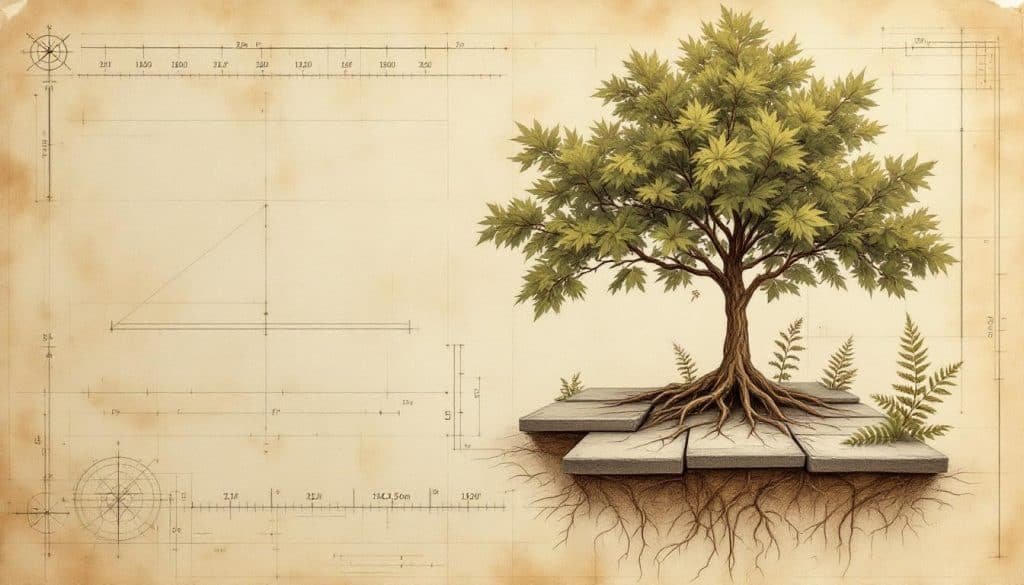
- Tree roots spread 2-3x canopy width, mostly in top 18 inches of soil. Early signs include parallel cracks and joint separation near trees. Root barriers and soil aeration can prevent 90% of sidewalk damage. Never cut roots closer than 3x trunk diameter from tree base. For lifting over 2 inches or roots within 5 feet of structures, consult a Master Arborist.
You noticed the sidewalk lifting first—maybe a crack that caught your shoe, or a slab tilted like a ramp. Then you looked up and realized the mature maple you’ve loved for for twenty years is the culprit. This is the moment every homeowner dreads: choosing between the tree that shades your summer afternoons and the safe, even walkway you need for daily life.
As an ISA Board Certified Master Arborist who’s spent three decades resolving exactly this conflict, I can tell you this isn’t a choice between tree and concrete. The real decision is about understanding root biology, recognizing early warning signs, and taking action before the problem forces emergency removal. By the end of this guide, you’ll know exactly how to assess your situation, what immediate steps protect both tree and sidewalk, and when to call in professional help.
Why Tree Roots Attack Sidewalks
The conflict starts underground where we can’t see it. Tree roots grow outward in search of water, oxygen, and nutrients, typically staying within the top 12-18 inches of soil but spreading two to three times the width of the tree’s canopy. When sidewalks are installed too close to trees, roots encounter these barriers and do what roots naturally do—they grow thicker and stronger over time.
The real issue isn’t aggression but environment. Trees planted in narrow strips between sidewalks and streets face limited root space. Compacted soil from construction forces roots upward toward the oxygen-rich zone just beneath the pavement. Some species, particularly maples and oaks, develop notoriously strong, shallow root systems that excel at finding and exploiting any weakness in concrete.
Root heaving: The upward pressure exerted by expanding tree roots against hard surfaces, typically occurring when roots grow beneath sidewalks and driveways.
Understanding this biology changes everything. Those lifted slabs aren’t random destruction—they’re predictable consequences of how specific trees interact with constrained urban environments.
Early Warning Signs Before Major Damage
The key to preventing costly repairs is recognizing problems before they become hazardous. Most sidewalk damage follows a predictable progression that starts years before visible lifting occurs.
Warning Signs to Watch For
- Hairline cracks: Thin cracks running parallel to the tree, typically appearing 3-5 years before major lifting
- Joint separation: Widening gaps between sidewalk slabs closest to the tree
- Surface root exposure: Roots becoming visible at soil surface within 6 feet of the trunk
- Drainage changes: Water pooling near the tree after rain instead of flowing away normally
Photograph these signs annually from the same angle. This creates a visual record that helps track progression and makes insurance claims more straightforward if needed. I’ve seen homeowners save thousands by catching issues at the hairline crack stage versus waiting until slabs lift 2-3 inches.
Species-Specific Risk Assessment
Not all trees pose equal sidewalk risk. Understanding your tree’s species characteristics helps predict future problems and guides prevention strategies. Maples, particularly silver and Norway varieties, top the problem list with aggressive surface root systems that can lift slabs within 10-15 years of planting.
Oaks present a different challenge—they grow more slowly but develop incredibly strong roots that can exert tremendous lifting force over decades. Bradford pears, popular for their spring flowers, are notorious for splitting and lifting sidewalks due to their shallow, wide-spreading root systems. In contrast, most conifers like pines and spruces pose minimal risk because their deep, narrow root systems typically grow beneath sidewalks rather than against them.
| High Risk Species | Moderate Risk Species | Low Risk Species |
|---|---|---|
| Silver maple, Norway maple, Bradford pear | Oak, Sweetgum, Linden | Pine, Spruce, Ginkgo |
| Roots lift within 10-15 years | Problems develop over 20-30 years | Rarely cause lifting issues |
Tree age also matters. Most sidewalk conflicts appear when trees reach 15-25 years old—old enough to have substantial root systems but young enough that removal feels tragic. This timing window is why early intervention matters so much.
Immediate Actions to Prevent Further Damage
Once you spot early warning signs, immediate action can prevent the problem from worsening. The first step is documenting the current condition with photos and measurements. Measure the distance from trunk to sidewalk edge, the height of any lifting, and the width of cracks.
Immediate Prevention Steps
- Install root barriers along sidewalk edge using 18-24 inch deep plastic or metal barriers
- Reduce soil compaction by drilling 2-3 inch holes every 2 feet along sidewalk perimeter
- Apply 3-4 inches of mulch over root zone to encourage deeper root growth
- Redirect foot traffic away from vulnerable areas using temporary pathways
For trees less than 10 feet from sidewalks, root pruning may be necessary. However, this requires careful calculation—never cut roots closer than three times the trunk diameter from the tree’s base. A 12-inch diameter trunk means staying at least 36 inches away from the trunk when cutting roots.
Professional Repair Options That Save Trees
When damage is already significant, several repair approaches can restore sidewalk safety while preserving the tree. The key is matching the solution to the specific damage pattern and tree health.
Bridge construction involves replacing the damaged sidewalk section with a steel-reinforced concrete bridge that spans over the root zone. This creates a permanent solution that allows continued root growth while restoring safe walking surfaces. The bridge typically extends 3-4 feet on either side of the damaged area and costs $800-1,500 per section.
Tools You Will Need
- Soil auger: For creating vertical mulch channels, 2-3 inch diameter minimum
- Root barrier panels: 18-24 inch deep, available in HDPE plastic or galvanized steel
- Hand saw with pruning blade: For clean root cuts without crushing
Ramp construction offers a less expensive alternative, creating a gradual slope over lifted areas using asphalt or concrete. While not as permanent as bridge construction, ramps cost $300-600 per section and can last 5-10 years with proper maintenance. This approach works best when lifting is less than 2 inches.
When DIY Fixes Make Problems Worse
Homeowners often attempt simple fixes that actually accelerate damage. The most common mistake is grinding down lifted concrete edges. While this creates a smoother transition, it removes the concrete’s structural integrity and leads to rapid deterioration and increased lifting pressure.
Common Mistakes to Avoid
- Grinding concrete edges: Removes structural integrity and leads to faster deterioration
- Cutting large roots without assessment: Can destabilize the tree and accelerate sidewalk damage
- Installing shallow barriers: 12-inch barriers don’t stop roots and create worse problems
Another critical error involves aggressive root cutting without understanding tree stability. I’ve seen homeowners cut major roots to save a sidewalk, only to have the tree fail during the next storm. Any root larger than 2 inches diameter within 10 feet of the trunk requires professional assessment before cutting.
Timing: When to Act vs When to Wait
Timing decisions depend on both immediate safety concerns and optimal tree health windows. Winter, when trees are dormant, offers the best window for major root work because the tree experiences less stress and soil disturbance is minimized.
When to Act
Best window: Late fall through early spring (roughly November through March). Why this timing matters: Trees are dormant, soil moisture is typically adequate, and contractors have better availability. Outside this window, limit work to emergency safety measures.
Summer work, while possible, requires extra precautions. Trees actively transpiring are more susceptible to stress from root cutting, and dry summer soil can lead to rapid tree decline. If you must act during summer, increase watering frequency and reduce other stressors like pruning.
For immediate safety hazards—lifting over 1 inch or cracks wide enough to catch heels—temporary measures like asphalt ramps or warning markings should be installed immediately regardless of season. Document these temporary fixes with photos for insurance purposes.
Long-term Solutions and Tree Replacement
Sometimes, despite best efforts, the tree must be removed. This decision typically comes when lifting exceeds 4 inches, roots have caused structural damage to nearby foundations, or the tree poses safety risks beyond sidewalk issues.
When replacement becomes necessary, choose species with deep root systems and plant at appropriate distances. A good rule: plant trees at least half their mature canopy width from any hardscape. For a tree expected to reach 40 feet wide, plant 20 feet from sidewalks minimum.
Pro Tip: When replacing problem trees, consider smaller ornamental varieties positioned 15-20 feet from sidewalks. Japanese maple, serviceberry, or redbud provide beauty and shade without the destructive root systems of larger species.
Consider root barrier installation during new planting as prevention. Modern barriers made from recycled HDPE plastic last 20-30 years and guide roots downward rather than horizontally. Install barriers 18-24 inches deep, angled away from sidewalks at 45 degrees to direct growth downward.
What to Do Next
Start with honest assessment. Walk your property and document any sidewalk cracking, lifting, or root exposure. Measure distances from trunks to problem areas and research your tree species’ typical root behavior. Take photos from multiple angles and understand how roots interact with concrete.
For minor issues (lifting under 1 inch, cracks under 1/4 inch), implement immediate prevention steps: install root barriers, improve soil conditions, and schedule professional consultation for dormant season work. For moderate damage (1-3 inches lifting), contact a certified arborist for assessment before the next growing season.
For severe damage, particularly with large trees close to homes, act immediately. Get professional assessments from both an arborist and concrete contractor. Most cases can be resolved through bridge construction or other tree-saving techniques, but this requires specialized equipment and expertise. Don’t wait until someone gets hurt—liability issues compound quickly once injuries occur.
Remember, the goal isn’t perfect sidewalks at the expense of mature trees. With proper understanding and timely intervention, you can maintain both the safety and beauty that make your property special.