
Stump Harvesting
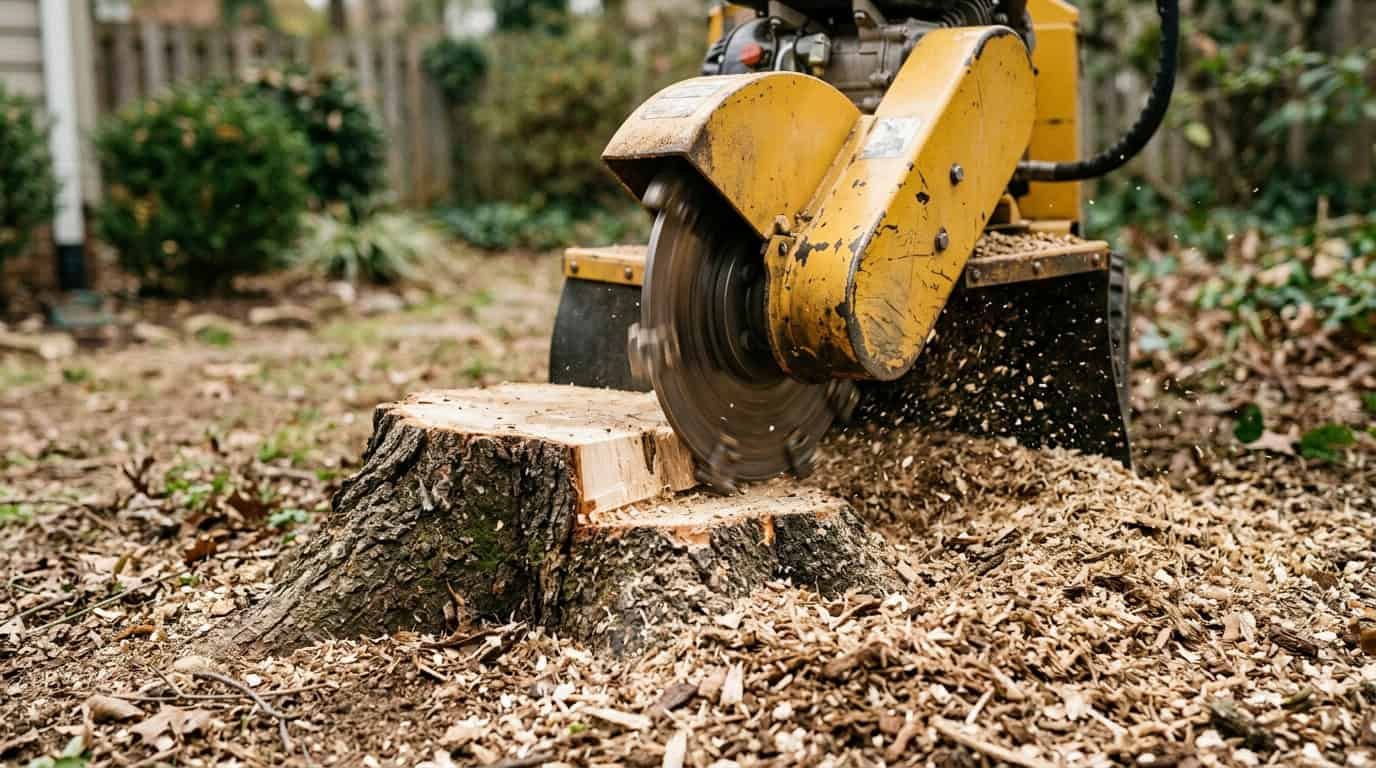
Stump harvesting is the extraction of tree stumps and their root systems from the ground, typically for biomass energy production or to completely clear a site for development or replanting. Unlike stump grinding, which reduces the stump in place, harvesting physically removes the entire root ball. This is a more disruptive and expensive operation, typically reserved for forestry operations or large-scale site clearance where complete root removal is necessary. This collection covers stump harvesting methods, machinery, site disturbance considerations, biomass value, and the environmental trade-offs associated with large-scale stump removal operations.
Reference Notes
- Stump harvesting for biomass is most economically viable for large-diameter stumps in accessible, flat terrain.
- Complete root ball removal disturbs a significantly larger soil volume than stump grinding — requiring careful erosion management on slopes.
- In Scandinavia, stump harvesting for bioenergy has been practised commercially since the 1980s and remains a significant component of forest biomass supply.
Stump Harvesting Guides
Guides coming soon — check back shortly.
Need Professional Stump Removal?
View All Services →
Explore Our Stump Harvesting Resource Collection
All our guides are written to help property owners and professionals make better tree care decisions.