
Coppicing
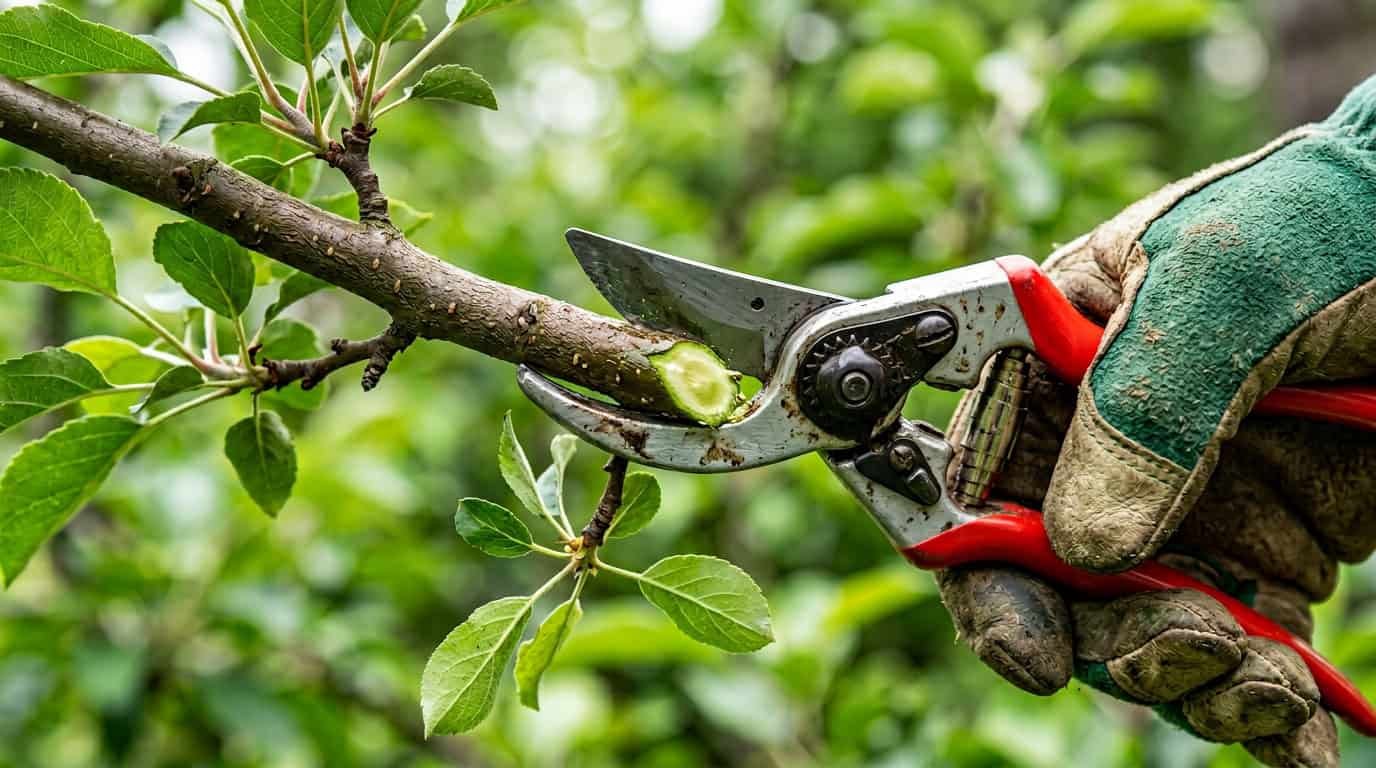
Coppicing is a traditional woodland management technique in which trees are cut to near ground level to stimulate the growth of multiple new shoots from the stump. It is one of the oldest forms of sustainable wood production, producing a regular harvest of poles, fuel wood, and craft materials on a rotation cycle of typically 5 to 25 years. In the context of stump management, coppicing is important because many hardwood species will naturally coppice after cutting — producing vigorous regrowth that can be managed or suppressed depending on the landowner's goals. This collection covers coppicing history, suitable species, rotation management, regrowth suppression, and the distinction between intentional coppicing and unwanted stump regrowth.
Reference Notes
- Sweet chestnut, hazel, willow, and ash are among the most commonly coppiced species in traditional woodland management.
- Some coppiced trees have been carbon-dated to over 1,000 years old — regular cutting appears to extend the lifespan of certain species.
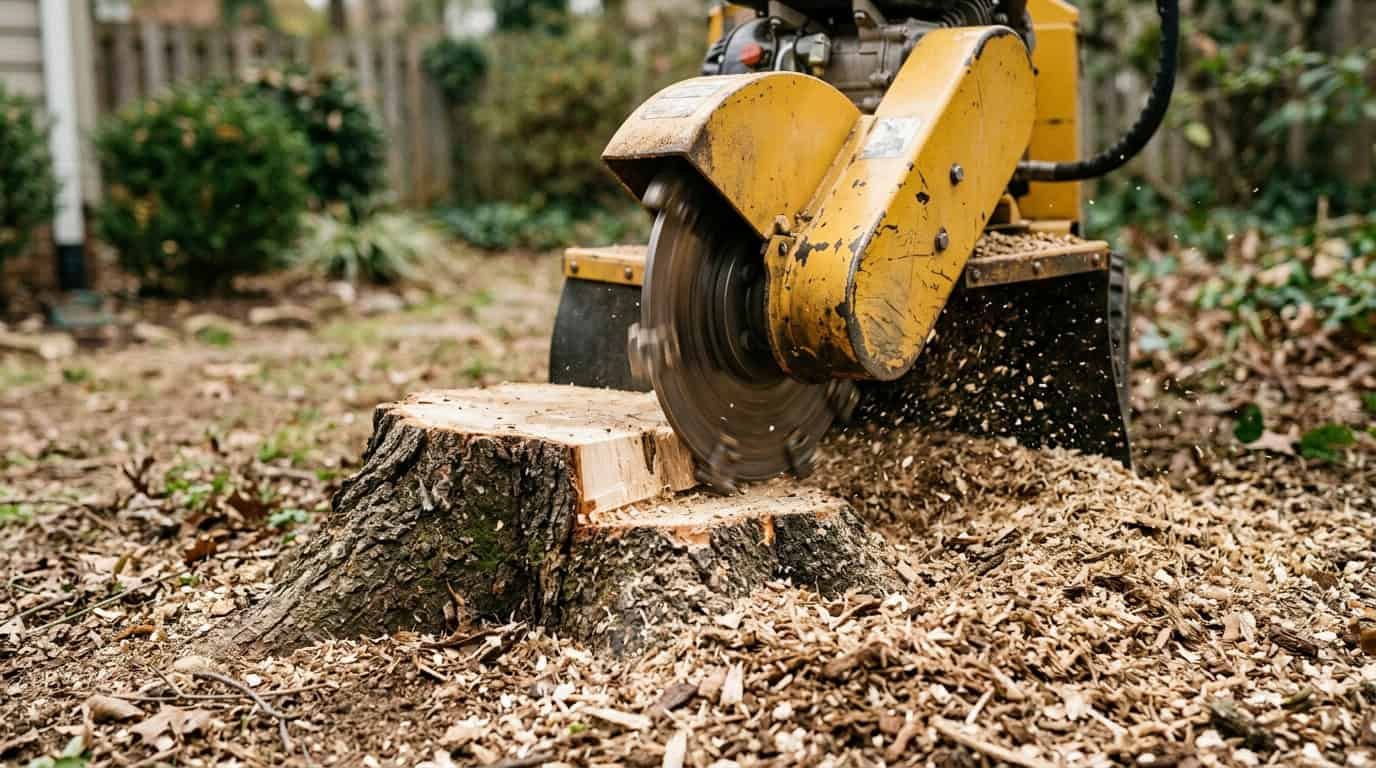
- Suppressing coppice regrowth after tree removal typically requires repeated cutting or chemical treatment over several growing seasons.
Coppicing Guides
Guides coming soon — check back shortly.
Need Stump Removal or Management?
View All Services →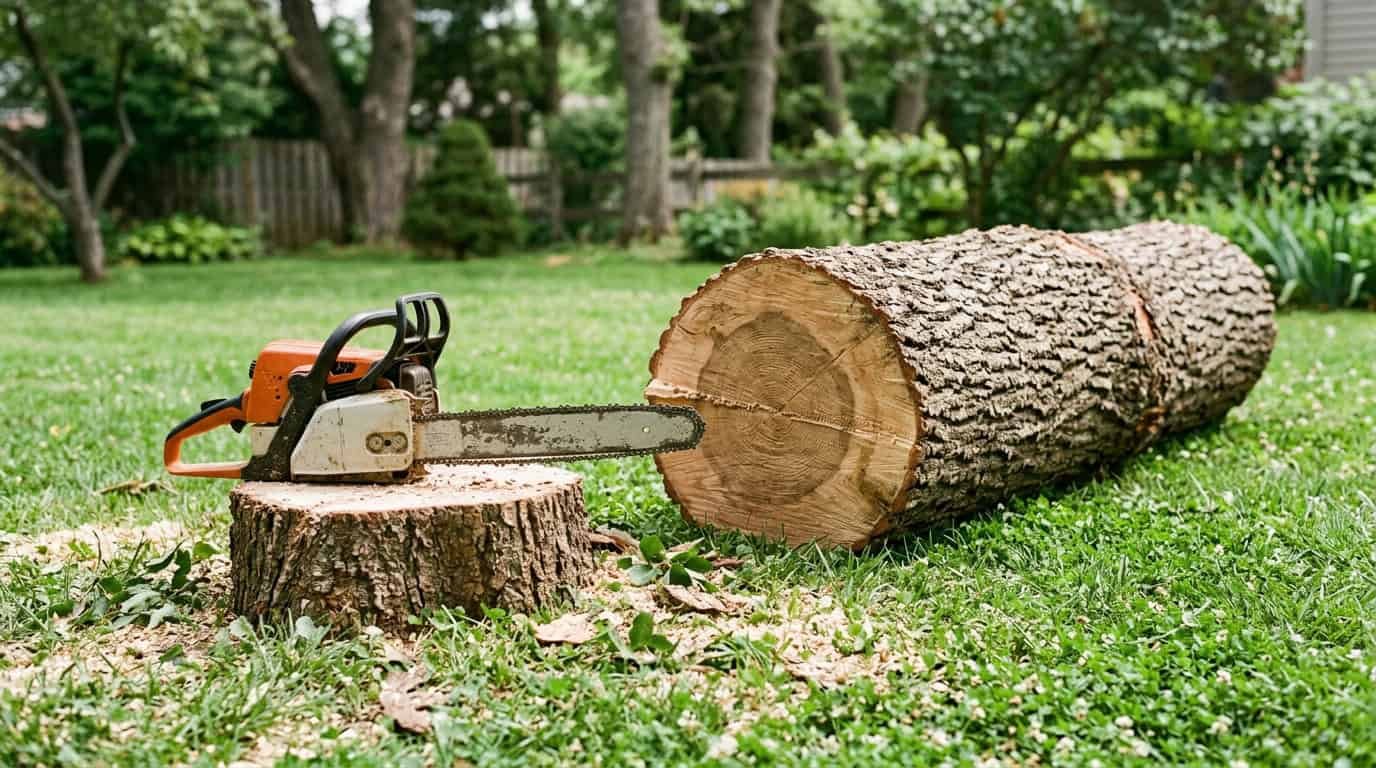
Explore Our Coppicing Resource Collection
All our guides are written to help property owners and professionals make better tree care decisions.