A Field Guide to Weather Worsening Trunk Splits
Learn to spot freeze damage, assess winter injury severity, and implement recovery strategies for storm-damaged Midwest trees.
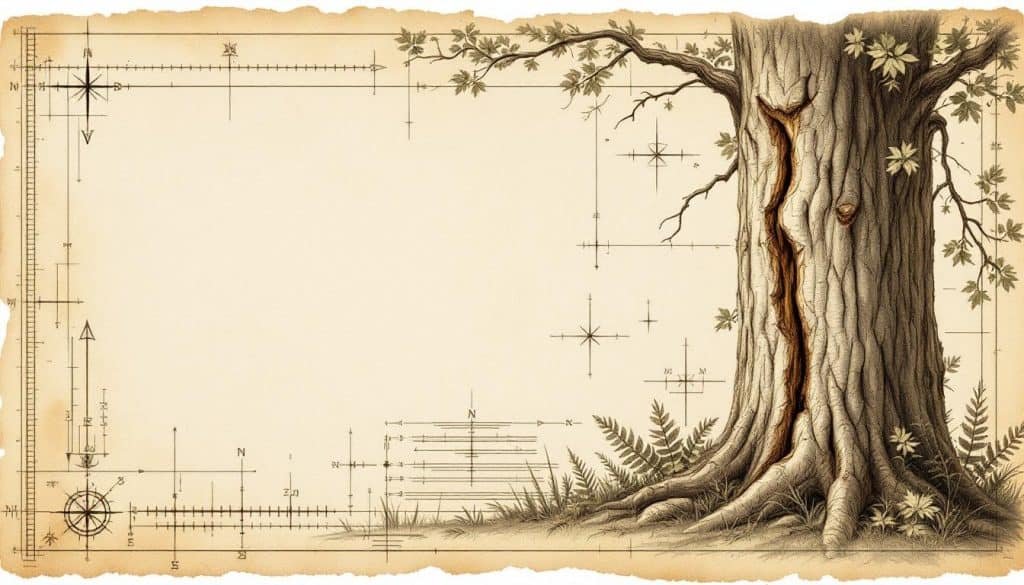
- Freeze damage occurs when intracellular ice crystals rupture cell membranes. Bark splitting and cambium browning are primary indicators of severe freeze injury. Delay pruning until spring bud break reveals true damage boundaries. Trees with over 50% canopy damage face uncertain recovery and may need removal. Professional assessment is critical for trunk damage within 3 feet of ground level.
The morning after a brutal ice storm reveals a landscape transformed—branches encased in crystal, bark split open like burst fruit, and trees that were sturdy giants yesterday now weeping sap from mysterious wounds. Homeowners across the Midwest face this reality every winter, staring at their damaged trees wondering which ones will recover and which need immediate intervention. The freeze events of 2007 taught us that severe winter damage isn’t just cosmetic—it fundamentally alters how trees respond for years to come. By the end of this guide, you’ll understand exactly what freeze damage looks like, how to assess its severity, and the specific steps needed to help your trees recover or know when to remove them entirely.
As an ISA Board Certified Master Arborist who has assessed thousands of storm-damaged trees across the Midwest, I’ve seen how proper identification and timing of interventions can mean the difference between a tree’s full recovery and its gradual decline. The patterns of damage from extracellular ice formation and subsequent intracellular ice crystal damage create predictable symptoms that informed homeowners can learn to read.
The Science Behind Freeze Injury in Woody Plants
Freeze damage occurs through a two-stage process that begins when temperatures drop below 32°F. Initially, water migrates from inside cells cells to spaces between cells, forming extracellular ice. This process is actually normal and harmless—the tree’s tissues are designed to tolerate this extracellular freezing. The real damage starts when temperatures continue dropping, causing ice crystals to form inside the living cells themselves. These intracellular ice crystals rupture cell membranes, causing the contents to leak out and creating the water-soaked, flaccid appearance characteristic of freeze injury.
Most Midwest trees don’t achieve full dormancy until mid-November, making them particularly vulnerable to early hard freezes. Once dormant, trees require a specific number of chilling hours below 40°F before their cambium and buds can safely respond to warming temperatures. This biological timing mechanism prevents trees from breaking dormancy during brief winter warm spells, but it also means that damage sustained during dormancy may not become visible until spring growth begins.
Supercooling: The process where water inside plant cells remains liquid below freezing temperature, allowing woody tissues to survive brief cold snaps without damage.
The severity of freeze damage depends on three critical factors: the lowest temperature reached, the duration of exposure, and the tree’s state of cold hardiness at the time. Temperatures that drop rapidly without allowing gradual acclimation cause the most severe damage, as the tree’s protective mechanisms don’t have time to activate.
Identifying Freeze Damage in Different Tree Species
Freeze damage manifests differently across tree species, making accurate identification crucial for proper response. In oaks, look for longitudinal bark splits running up the trunk, often weeping sap that turns black as it oxidizes. Maple species typically show bark cracking accompanied by spiral fissures following the grain pattern. Fruit trees like apples and cherries develop sunken areas on the trunk and scaffold branches, sometimes with visible cambium discoloration beneath the bark.
\
Bark damage isn’t the only indicator—examine the twigs and buds carefully. Healthy twigs bend without snapping and show green cambium when scratched. Freeze-damaged twigs snap easily and reveal brown or black cambium tissue. Bud mortality is particularly telling: viable buds are plump and firm, while freeze-killed buds appear shriveled, dark, or mushy when pressed.
Warning Signs to Watch For
- Bark splitting: Long vertical cracks, especially on the south or southwest side of trunk
- Frost rings: Ring-shaped indentations around small branches where cambium was damaged
- Dieback patterns: Sudden browning of entire branch sections while lower portions remain green
- Epicormic sprouting: Masses of small shoots emerging from trunk or large branches in spring
Evergreens present additional challenges. Pine and spruce needles may turn reddish-brown from the tips inward, while arborvitae develops bronze or gray discoloration. Unlike deciduous trees, conifer damage may not become apparent until late spring or early summer, as damaged needles slowly desiccate over months.
Systematic Assessment Protocol for Damaged Trees
Begin assessment from the ground up, examining the trunk first for any structural damage that could create immediate hazards. Measure the diameter at breast height (DBH) of the trunk, then evaluate damage within the critical 3x DBH zone around the base. Any bark splitting or cambium damage within this zone signals potential stability issues requiring professional evaluation.
Next, systematically examine each scaffold branch using the scratch test test. Using a clean knife or fingernail, gently scratch the bark on small twigs to reveal the cambium layer. Live tissue appears green or white, while freeze-killed tissue turns brown or black. Test at least five twigs per section, moving from branch tips toward the trunk. If more than 50% of the cambium shows damage in any scaffold branch, that branch will likely die back and should be considered for removal.
Damage Assessment Checklist
- Document lowest temperature reached and duration of exposure
- Photograph all visible damage from multiple angles
- Test cambium viability on twigs, branches, and trunk sections
- Assess bud survival rate on at least 20 buds per major branch
- Check for frost cracks extending into wood tissue
- Evaluate overall tree structure for immediate safety hazards
Calculate the percentage of canopy showing damage symptoms. Trees with less than 25% canopy damage typically recover well with proper care. Those with 25-50% damage require intensive monitoring and selective pruning. Trees with over 50% canopy damage face uncertain recovery and may warrant removal, especially if they pose risks to structures or people.
Recovery Strategies and Corrective Pruning Techniques
Timing of interventions dramatically affects recovery success. Wait until new growth begins in spring before making any pruning decisions—this reveals the true extent of living tissue. Mark all obviously dead branches with flagging tape during initial assessment, but don’t remove anything until bud break confirms the damage boundaries. Premature pruning can remove living tissue that appears damaged but is actually viable.
When pruning freeze-damaged trees, use the three-cut method to prevent bark tearing on larger branches. Make the first cut 12-18 inches from the trunk on the underside of the branch, cutting upward one-third through the branch. The second cut removes the branch weight by cutting from the top, several inches beyond the first cut. The final cut removes the remaining stub just outside the branch collar, preserving the tree’s natural defense mechanisms.
Pro Tip: Paint exposed cambium with diluted white latex paint (50/50 with water) to prevent sunscald on newly exposed wood. This mimics natural bark reflectivity and reduces temperature fluctuations that can cause additional cracking.
Support vigorous regrowth by maintaining consistent soil moisture throughout the first growing season. Damaged trees have reduced root function, making them more susceptible to drought stress. Apply 2-3 inches of organic mulch in a 4-foot diameter around the tree, keeping it 6 inches away from the trunk. This moderates soil temperature and maintains moisture levels critical for new root development.
Common Mistakes That Worsen Freeze Damage
The most damaging mistake is applying wound dressings orree paint to freeze cracks or pruning cuts. Research consistently shows these products trap moisture and create favorable conditions for decay organisms. Let cuts heal naturally—the tree’s compartmentalization process is more effective than any artificial barrier.
Fertilizing damaged trees in spring is another common error. While the impulse is to “feed” a struggling tree, high nitrogen fertilizers stimulate succulent growth that is more vulnerable to subsequent freezes. Instead, apply a balanced slow-release fertilizer in late fall after the tree has hardened off for winter.
Common Mistakes to Avoid
- Rapid temperature changes: Using sprinklers to melt ice can causes rapid temperature fluctuations, worsening cellular damage
- Over-pruning: Removing too much live tissue reduces the tree’s ability to photosynthesize and recover energy reserves
- Ignoring secondary issues: Freeze-damaged trees are more susceptible to insect borers and fungal infections that require monitoring
Attempting to “train” new growth too aggressively can backfire. Epicormic sprouts that emerge after freeze damage may appear weak and unruly, but they’re the tree’s emergency response to replace lost foliage. Select the strongest sprouts to develop into new scaffold branches rather than removing all of them in favor of traditional pruning preferences.
Tools and Materials for Effective Response
Proper assessment requires specific tools that most homeowners don’t routinely own. A sharp grafting knife or utility knife is essential for cambium testing—dull blades crush tissue and give false readings. Digital calipers help measure bark cracks and branch diameters accurately. A 10x hand lens reveals cellular damage patterns invisible to the naked eye.
For corrective pruning, invest in professional-grade bypass pruners for cuts under 3/4 inch diameter, and a good pruning saw for larger branches. Avoid anvil pruners—they crush rather than cut, creating larger entry wounds that heal slowly. A pole saw extends your reach safely for high branches, while pole pruners provide precise cuts on smaller diameter wood.
Tools You Will Need
- Sharp grafting knife: For precise cambium testing without crushing tissue
- Digital calipers: Accurate measurement of crack widths and branch diameters
- 10x hand lens: Detailed examination of bud scales and cambium damage
- Bypass pruners (8-10 inch): Clean cuts on twigs and small branches
- Pruning saw (13-15 inch blade): Three-cut method on branches over 1-inch diameter
Safety equipment is non-negotiable. Always wear safety glasses when pruning overhead, and use a hard hat if working beneath damaged branches. Steel-toed boots protect against falling limb sections, while leather gloves prevent cuts from rough bark and saw blades.
Seasonal Timing for Interventions and Monitoring
Spring assessment begins when buds begin swelling but before full leaf expansion. This window, typically mid-March to mid-April in the Midwest, reveals the true extent of damage while minimizing pruning stress. Mark all dead wood during this period, but delay major pruning until after full leaf development to ensure you’re removing only truly non-viable tissue.
Summer monitoring focuses on new growth patterns and structural development. Damaged trees often produce excessive water sprouts and epicorm growth—these require selective thinning to prevent weak branch attachments. Late summer, from July through August, is ideal for structuralp>sub restorative pruning to shape new growth before winter.
When to Act
Best window: Early spring after bud break but before full leaf expansion. This timing allows accurate assessment of living tissue while minimizing stress. Emergency removal of hazardous branches should happen immediately, but aesthetic pruning and detailed assessment wait until spring growth reveals true damage boundaries.
Fall preparation becomes critical for previously damaged-damaged trees. These trees increased vulnerability to subsequent freezes. Apply 2-3 inches of mulch before hard frost, and consider wrapping young or recently damaged trunks with tree wrap to prevent sunscald and frost cracking from temperature fluctuations.
Regional Variations and Species-Specific Considerations
Prairie regions experience more extreme temperature fluctuations, making trees more susceptible to southwest injury—the rapid heating and cooling of bark on the south-facing trunk. In these areas, young trees benefit from trunk wrapping for their first three winters. Conversely, trees in river valleys may experience more moderate temperatures but face greater risk from ice loading due to prolonged freeze-thaw cycles.
Species tolerance varies dramatically. White oak and bur oak show remarkable recovery from freeze damage, often regenerating entirely new crowns from epicormic sprouts. Silver maple and boxelder recover quickly but produce weak, fast-growing wood that requires careful structural training. Fruit trees, particularly stone fruits, often suffer cambium death on the trunk while branches recover—a condition requiring immediate attention to prevent bark inclusion and future failure.
Conifer species present unique challenges. Pines damaged by freeze often develop resinous cankers that persist for decades, creating entry points for bark beetles. Spruce trees may show no external damage but suffer from root system freeze injury that manifests as crown thinning over 2-3 years. Always examine evergreens for root collar damage by gently excavating soil from around the trunk base.
When Professional Help is Essential
Call a certified arborist immediately if the tree shows any of these critical signs: bark splitting that extends into the wood on the trunk, especially within the bottom 8 feet; leaning that develops after freeze damage, indicating root failure; or more than 50% crown loss combined with trunk damage. These conditions create immediate safety hazards requiring professional assessment.
Professional evaluation becomes necessary when damage affects the root flare or major scaffold branches within 3 feet of the trunk. This zone contains the tree’s critical structural wood, and damage here compromises long-term stability. Arborists use resistograph testing or sonic tomography to assess internal wood integrity—tools unavailable to most homeowners.
Professional Consultation Indicators
- Trunk diameter over 12 inches with visible bark splitting
- Damage within 3 feet of ground level on main trunk
- Tree leans more than 5 degrees from vertical
- Branches over 6 inches diameter showing cambium death
- Tree located within falling distance of structures or high-use areas
\/p>
Consider professional monitoring for valuable specimen trees, especially historic or irreplaceable specimenss. Annual inspections by a qualified arborist for the first 3-5 years post-damage can catch developing problems like decay pockets or weak branch attachments before they become hazardous. The cost of annual inspections is minimal compared to emergency removal of a failed tree.
\