Stump vs Trunk Removal: Explained
ISA Master Arborist Michael Hartman explains how to remove tree stumps safely and effectively using proven methods and timing.
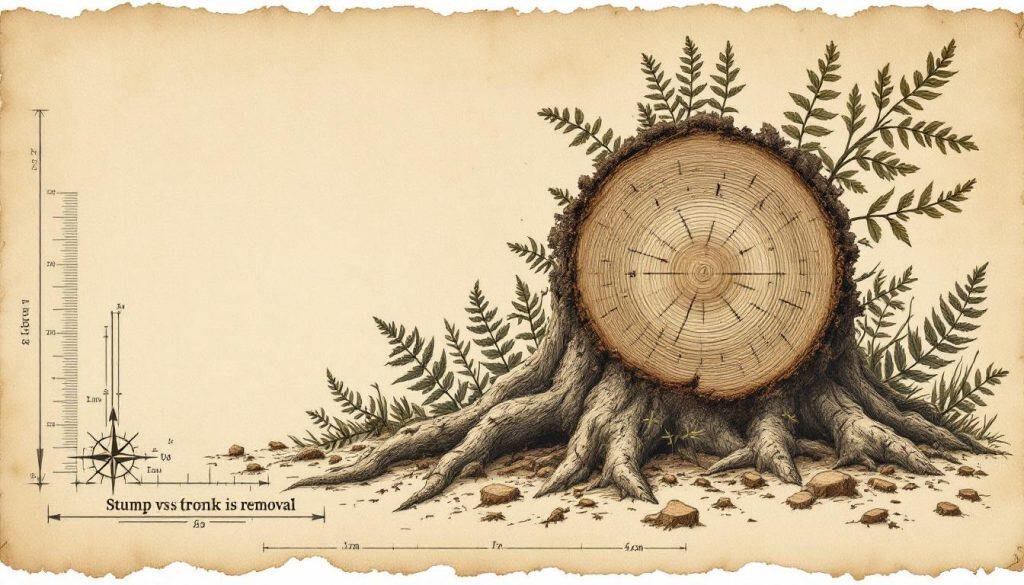
- Stumps resist decay for years due to lignin-rich heartwood and stored starches. Grinding 8–12 inches deep erases most stumps in under an hour. Accelerated decay with fertilizer shortens natural timeline from decade to 1–3 years. DIY digging works only for stumps under 10 inches with accessible roots. For stumps near utilities or over 20 inches, hire an insured arborist.
You cut the tree down months ago, but the stump is still sitting in the yard like a wooden gravestone—tripping the mower, hosting ants, and making the space unusable. Whether it’s a 24-inch post oak that shaded your driveway or a cluster of hackberry volunteers you finally cleared, that leftover stump is more than an eyesore. Homeowners and property managers call me, Michael J. Hartman, ISA Board Certified Master Arborist TX-0198B, when they realize that stumps don’t disappear on their own and that “letting it rot” can take a decade or more. By the end of this guide you’ll know the five proven removal strategies, the tools and safety gear required, the seasonal windows that save you labor, and when to hire a pro versus tackling it yourself.
The Biology Behind Why Stumps Stick Around
A living tree is a sugar factory; once it’s felled the roots still contain starches that resist decay. Heartwood cells are loaded with lignin and extractives that fungi find tough to digest. In Iowa’s climate, a 20-inch silver maple stump can sit solid for 8–12 years before it becomes spongy enough to break apart with a shovel. The outer two inches of sapwood rot first because they hold the most stored sugars, but the inner core hangs on. Species matters: basswood and birch stumps decay in 4–6 years, while black locust and Osage orange can outlast the fence you nail to them.
Soil oxygen fuels decay. A stump buried under turf and thatch dries out in summer and stays water-logged in winter, both conditions that slow fungal colonization. Exposing the cut surface to air and moisture, or adding nitrogen, can cut the natural timeline roughly in half.
Term: Lignin is a complex organic polymer deposited in the cell walls of woody plants that makes them rigid and resistant to decay.
Assessment: How to Measure the Job Before You Start
Measure stump diameter at the widest point above the root flare; contractors price by the inch. A 12-inch stump sounds small until you realize the flare can add another 6–8 inches of hidden wood. Probe around the base with a digging bar; if you hit four chunky surface roots within a foot, expect extra grinding time or hand digging. Note utility lines: gas and fiber optics often run shallow along the property edge. Finally, decide your end goal—flush with grade for turf, 8 inches down for flowerbeds, or 18 inches for a replacement tree.
Warning Signs to Watch For
- Orange spongy conks: Indicates advanced decay—stump may break apart easier but could harbor honey fungus that attacks nearby woody plants.
- Cracks radiating from center: Suggests internal hollow, reducing weight but making mechanical removal unpredictable.
- Fresh sprouts around base: Live roots still feeding on stump sugars; removal must include root plow or herbicide treatment to prevent regrowth.
Stump Grinding: Fastest Professional Method
Commercial grinders use a 12–16 inch diameter carbide wheel spinning at 2800 rpm, chewing 1 inch of stump per pass to a depth of 8–12 inches. One worker can erase a 24-inch red oak stump in 45 minutes; the same job with a mattock takes two weekends. Expect 8–10 cubic feet of chips—enough to fill half a pickup bed. Most arborists charge $4–$6 per inch of diameter with a $150 minimum. Because the machine weighs 1200 lb, access needs a 36-inch gate or wider; hillside sites may require a tracked self-propelled unit.
Tools You Will Need
- Stump grinder: Rental units have 13–20 hp engines; choose one with at least three cutter-head teeth per side for hardwoods.
- Chainsaw: Trim the stump as close to soil as possible to reduce grinding passes.
- Wheelbarrow and steel rake: Move chips away from the hole so they don’t regrind into fines that smother grass seed.
Accelerated Natural Decay: Low-Cost, Low-Noise Option
Drill 1-inch holes 10 inches deep and 4–6 inches apart across the top and sides; pack each with 4 oz of slow-release fertilizer (any 10-10-10 works). Water thoroughly, then cover with a tarp to trap heat and moisture. Repeat every spring and fall. Most stumps become crumbly enough to break apart with a spade within 18–30 months. Keep fertilizer off adjacent turf to prevent burn marks.
When to Act
Best window: early spring and late fall when soil moisture is high and temperatures stay 50–70°F, ideal for fungal colonization.
Digging and Winching: Small-Stump DIY Approach
For stumps under 10 inches, trench around the root ball to a depth of 12 inches, sever lateral roots with a sharp nursery spade or reciprocating saw fitted with a 12-inch pruning blade. Wrap a chain ⅜-inch thick around the stump and attach to a hi-lift jack or a vehicle-mounted winch rated for 4000 lb. Apply steady tension; pop the stump out in one piece. Fill the crater with topsoil within 24 hours to prevent settling that can twist ankles or crack sidewalks later.
Common Mistakes to Avoid
- Cutting roots flush to trunk: Leaves a hinge that snaps under winch load; always sever at least 6–8 inches beyond the flare.
- Using a truck bumper as anchor: Creates dangerous recoil; instead use a ground anchor or tree saver strap around a second tree.
What NOT to Do: Risky Shortcuts That Fail
Burning a stump coated with diesel is illegal in many municipalities and produces smoldering, low-temperature fires that last days yet rarely consume the dense heartwood. Chemical “stump remover” crystals are 98 percent potassium nitrate; they accelerate oxidation but still require drilling dozens of holes and months of waiting, and they leave toxic salts that inhibit new plantings. Tying a rope to a riding mower or ATV simply strips the bark and risks flipping the machine when the roots refuse to yield.
Pro Tip: After grinding, save the chips for mulch paths; they’re coarse and low in weed seed, but never pile them against trunks—keep a 3-inch gap to prevent collar rot.
Seasonal Timing and Urgency Thresholds
Stump grinding can be done year-round, but frozen ground in January turns chips into brick-like clumps that are hard to rake. Spring grinding lets you overseed immediately, while August heat means rapid soil drying—water the spot daily for two weeks if you want turf back. If you plan to replant a tree in the same spot, schedule grinding for at least 6–8 weeks before planting so soil can settle and you can amend with compost.
Decay acceleration works best when fungi are active; starting information on how remove stumps notes that starting the process in November means little happens until March. If you need the stump gone before a patio pour next spring, hire a grinder now—waiting on decay will blow your timeline.
When to Call a Professional Arborist
Call a pro if the stump exceeds 20 inches, sits on a slope steeper than 15°, or shares soil with gas lines less than 24 inches down. Likewise, if the tree died of disease (oak wilt, Dutch elm), a certified arborist can sterilize the blades between jobs to prevent pathogen spread. Expect to pay $150–$400 for a typical residential stump; complex removals near retaining walls may hit $600, still cheaper than repairing a cracked foundation from hand-digging errors.
Questions to Ask Before You Hire
- Is cleanup and topsoil fill included in the quote?
- Do you carry insurance for underground utility damage?
- Will you flag irrigation heads and avoid turf tear-out?
- Can you grind deeper (18 in) if I plan to replant a large-caliper tree?
Next Steps: From Wood Chips to Usable Yard
Once the stump is gone, rake out the mound of chips to 2 inches above grade; they will settle. Remove excess and add 3 inches of topsoil mixed 50:50 with compost. Seed with a shade-tolerant fescue blend or lay sod cut to fit. If installing a replacement tree, dig the new hole at least 3 feet away from the old stump footprint to avoid nitrogen depletion zones and residual fungal inoculum. Water deeply the first year; the ground will be loose and prone to drying faster than undisturbed soil.
Still have questions? Measure your stump, pick your method, and mark your calendar. If you’re dealing with how get rid of the entire base, remember that cutting trunk into sections first can make the job safer. The sooner you act, the sooner the space becomes lawn, garden, or playground instead of a reminder of the tree you meant to finish off last season. For more guidance, review this how remove stump resource from South Dakota State University Extension.