Warning Root Caused Sewer Blockage Signs to Watch For
Learn why tree roots target sewer lines, how to spot early warning signs, and proven methods to stop root intrusion before it backs up your entire system.
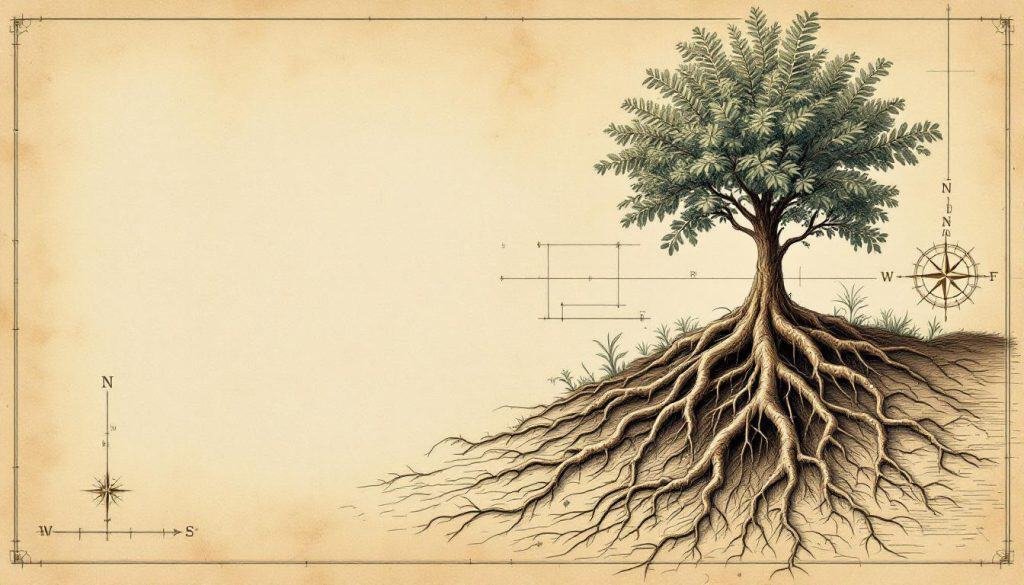
- Tree roots enter sewer pipes through cracks seeking moisture and nutrients year-round. Gurgling toilets and slow drains are early warning signs requiring immediate attention. Hydro-jetting with chemical foam treatment prevents regrowth for 12-24 months. Complete sewage backups require immediate professional intervention. Map sewer lines and maintain 10-foot buffer zones when planting new trees.
You noticed the toilet gurgling last month, then water pooling around the basement drain during laundry. Your plumber ran a camera and confirmed what you suspected: tree roots have found their way into your sewer line. This scenario plays out thousands of times each year across North America, causing billions in property damage and creating health hazards when sewage backs into homes. As a Master Arborist who’s spent three decades managing conflicts between urban trees and infrastructure, I’ve seen how tree root invasion can turn from a minor inconvenience into a major crisis.
Understanding exactly how roots penetrate sewer lines, recognizing early warning signs, and knowing when to act can save you from expensive emergency repairs. This guide covers the biological mechanisms behind root intrusion, practical assessment techniques, and proven mitigation strategies based on real field experience.
Why Tree Roots Seek Out Sewer Lines
Tree roots don’t randomly invade sewer pipes – they’re following specific environmental cues that signal water and nutrients. The process starts with water vapor escaping from tiny cracks, loose joints, or porous materials in sewer pipes. This creates a moisture gradient in the surrounding soil that tree roots detect and follow.
The attraction intensifies because sewer pipes contain precisely what roots need: warm water, organic nutrients, and oxygen. Unlike groundwater that’s often cold and nutrient-poor, sewer effluent provides a consistent, rich food source. Even during winter dormancy when trees appear inactive, roots continue growing toward these moisture sources. The warm water flow inside pipes creates ideal growing conditions year-round.
Once roots reach the pipe surface, they exploit any opening – cracks as small as 1/16 inch, deteriorated joints, or porous concrete. The root tip secretes enzymes that help penetrate these openings, then rapidly expands once inside the pipe. What starts as a few hair-like roots quickly becomes a dense mat that traps debris and creates blockages.
Root Intrusion: The process where tree roots penetrate sewer pipes through cracks or joints, eventually causing blockages and pipe damage.
Identifying Early Warning Signs of Root Intrusion
Root intrusion rarely announces itself with dramatic symptoms at first. The earliest indicators are subtle changes in your plumbing’s behavior that many homeowners dismiss. Slow drainage that progressively worsens over weeks or months often indicates roots gradually filling the pipe. You might notice water taking longer to drain from sinks, tubs, or washing machines.
Gurgling sounds from toilets, especially after using other fixtures, signal air trapped by root masses partially blocking the line. These sounds typically occur when water from a washing machine or dishwasher displaces air in the partially blocked pipe. Another early sign is water backing up into floor drains during heavy water use, even if it eventually drains away.
Warning Signs to Watch For
- Gurgling toilets: Listen for bubbling sounds when running washing machines or dishwashers
- Slow drainage: Multiple fixtures draining slowly indicates a main line issue
- Wet spots around floor drains: Water appearing near basement drains after laundry
- Foul odors: Sewage smells from drains, especially during dry weather
More serious symptoms include sewage backing up into bathtubs or showers, persistent foul odors even when fixtures aren’t in use, and water backing up into sinks when toilets flush. These indicate significant root intrusion requiring immediate attention.
How to Confirm Root Intrusion
Visual confirmation remains the gold standard for diagnosing root intrusion. Professional plumbers use specialized cameras designed for sewer lines – typically 200-foot fiber optic systems with high-resolution capabilities. These cameras can navigate through 4- to 6-inch pipes, providing real-time video of root penetration points and the extent of blockage.
During inspection, technicians look for root masses appearing as white or light-colored tendrils against the dark pipe interior. They document entry points, measure root mass thickness, and assess pipe damage. Modern systems include location transmitters that mark exactly where roots enter the pipe, crucial for targeted repairs.
For DIY assessment, listen for gurgling sounds when multiple fixtures drain simultaneously. Fill a bathtub and let it drain while listening at nearby fixtures. If gurgling occurs, roots likely restrict flow somewhere downstream. However, only professional camera inspection can definitively confirm root intrusion and assess its severity.
Tools You Will Need
- Professional sewer camera: High-resolution fiber optic system with 200-foot cable
- Drain auger: Power auger with root-cutting head for initial clearing
- Hydro-jetting equipment: High-pressure water system for root removal
- Root barrier materials: Copper sulfate foam or metam-sodium treatments
Root Removal Techniques That Actually Work
Mechanical removal provides immediate relief but doesn’t prevent regrowth. Power augers with specialized cutting heads can slice through root masses, restoring flow temporarily. These machines use rotating blades that cut roots into small pieces that wash downstream. However, this method leaves root fragments that regrow within 6-12 months.
Hydro-jetting offers more thorough cleaning using high-pressure water (3,000-4,000 PSI) to blast roots from pipe walls. This method removes more root material than mechanical cutting and cleans pipe walls of grease and debris that roots use for attachment. Professional services typically include camera verification after cleaning.
Chemical treatments provide longer-term solutions when applied correctly. Copper sulfate foam treatments coat pipe interiors, creating a toxic barrier that prevents root regrowth for 12-24 months. Metam-sodium products work similarly but require professional application due to toxicity concerns. Never use rock salt – it’s ineffective and can damage pipes.
| Method | Effectiveness Period | Cost Range |
|---|---|---|
| Mechanical cutting | 6-12 months | $200-500 |
| Hydro-jetting | 12-18 months | $300-800 |
| Chemical foam treatment | 12-24 months | $400-1,200 |
| Pipe replacement | Permanent | $3,000-15,000 |
Common Mistakes That Make Root Problems Worse
Many homeowners inadvertently worsen root intrusion through well-intentioned but misguided actions. Pouring chemical drain cleaners down affected drains rarely helps and often creates dangerous chemical reactions. These products can’t reach root masses effectively and may damage pipes while creating toxic fumes.
Another critical error is planting water-loving trees near sewer lines. Species like willows, poplars, and silver maples aggressively seek moisture sources and can detect sewer lines from 30 feet away. Homeowners often plant these trees for quick shade without considering their aggressive root systems.
Common Mistakes to Avoid
- Delaying treatment: Small root intrusions become major blockages if ignored for months
- Using rock salt: Ineffective for root control and can corrode metal pipes
- Planting aggressive species: Willows and poplars should never be planted within 50 feet of sewer lines
- DIY pipe repair: Improper repairs create new entry points for roots
Some homeowners attempt DIY pipe repairs using inappropriate materials. Tree roots can penetrate poorly sealed joints or cracks in temporary patches, often making the original problem worse. Professional repair using proper materials and techniques prevents future intrusion.
Long-term Prevention Strategies
Preventing root intrusion requires addressing both the tree and infrastructure sides of the equation. For existing trees violations, installing root barriers between trees and sewer lines creates physical separation. These barriers use impermeable materials like high-density polyethylene installed vertically between tree and pipe, extending 2-3 feet below pipe depth.
Pipe replacement with root-resistant materials provides permanent solutions when damage is extensive. Modern PVC or HDPE pipes have fewer joints and better crack resistance than older clay or concrete pipes. Some systems include root-inhibiting chemicals embedded in pipe walls. Complete replacement costs more upfront but eliminates recurring maintenance expenses.
Strategic tree management reduces root attraction to sewer lines. Deep watering away from sewer lines encourages deeper root growth in non-threatening directions. Soil amendments that improve water retention near trees reduce their need to seek external moisture sources. Regular pruning maintains smaller canopy sizes, reducing overall water demand.
Pro Tip: Install a cleanout access point every 75 feet along sewer lines. This allows easier maintenance access and provides inspection points for early root detection without major excavation.
When to Call a Professional
Certain situations require immediate professional intervention. Complete sewage backups into living spaces pose serious health hazards and require emergency response. Gray water backing up into bathtubs or showers indicates main line blockage that needs professional equipment to clear.
Professional assessment becomes essential when recurring blockages occur despite regular maintenance. This often indicates structural pipe damage requiring repair or replacement. Camera inspection by certified technicians can determine if pipe replacement is necessary versus continued maintenance.
Tree removal decisions should involve certified arborists when sewer line replacement requires removing mature trees. An arborist can assess whether root barriers or strategic root pruning can preserve valuable trees while protecting new sewer installations. This balanced approach maintains urban canopy while solving infrastructure problems.
When to Act
Best window: Early spring before full leaf-out. Trees have lowest water demand and root growth is minimal. Summer treatments work but may stress trees during peak water demand. Winter treatments are possible but less effective due to reduced chemical uptake.
What to Do Next
If you suspect root intrusion, start with a professional camera inspection to confirm the extent and location of the problem. This $200-400 investment provides crucial information for deciding between maintenance treatments or pipe replacement. Document all findings with video for insurance purposes and future reference.
For confirmed root intrusion, develop a long-term management plan rather than seeking quick fixes. Consider factors like tree value, pipe condition, and your budget timeline. Many homeowners succeed with 2-3 year rotation of hydro-jetting and chemical treatments, reserving pipe replacement for when damage becomes structural.
Finally, prevent future problems by mapping your sewer line location and creating a 10-foot buffer zone free from water-loving trees. Share this information with neighbors to prevent their plantings from affecting your system. Urban tree management works best when entire neighborhoods coordinate their approach to infrastructure protection.