The Ultimate Guide to Smoking Wood Chip Pile Response
Yes, mulch can catch fire without an external flame. Learn why it happens, which mulches pose the highest risk, and exactly how to stack and store wood chips...
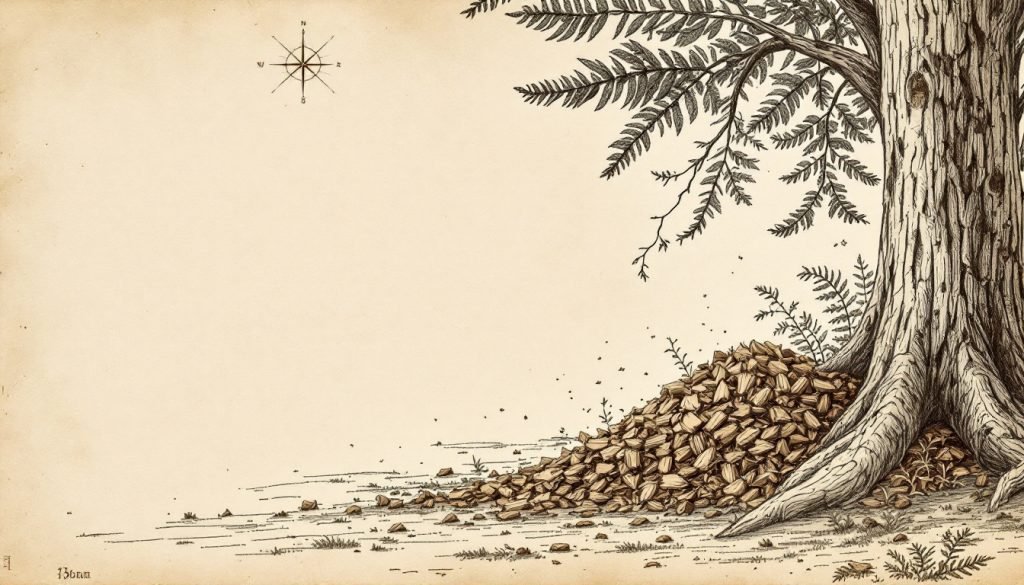
- Mulch can self-ignite when microbial heat exceeds 300 °F inside deep piles. Keep landscape beds at 2–3 inches depth and 6 inches away from trunks. Coarse arborist chips ignite at higher temperatures than shredded hardwood or rubber. Spread fresh deliveries within 48 hours; stockpiles over 4 feet tall are high-risk. If mulch feels warm underfoot or steams on cool mornings, spread it immediately.
You raked, chipped, and hauled all weekend to lay a beautiful ring of fresh wood mulch around your oaks and maples. Two days later, the neighbor’s knocking on your door pointing to wisps of smoke curling up from the bed. No matches, no grill, no lightning—just heat building inside the pile until it burst into flame. This is spontaneous combustion in landscape mulch, and it is more common than most property owners realize.
According to the National Fire Protection Association, nearly 14,070 fires each year start through spontaneous ignition. While linseed-oil-soaked rags grab the headlines, decomposing mulch piles and even shallow landscape beds can self-heat to ignition temperatures when conditions align. As an ISA Board Certified Master Arborist who has investigated post-fire tree beds from Texas to Massachusetts, I will walk you through the science, the warning signs, and the exact practices that keep your mulch working for your trees instead of against them.
How Mulch Self-Heats: The Biology Behind Spontaneous Combustion
Organic mulch heats up because microbes eat carbon and exhale heat. Within 24 hours of a fresh chip drop, bacteria and fungi colonize the moist, oxygen-rich interior. Their metabolic output can push core temperatures to 150 °F (65 °C) in less than 72 hours. As the pile settles, airflow drops, heat accumulates, and the material begins to char. Once the center exceeds roughly 300 °F (150 °C), volatile gases ignite without a spark.
Large, deep piles insulate heat better than thin layers, so a landscape bed over 4 inches deep or a stockpile taller than 6 feet is prone to spontaneous ignition. Dark, fine-textured mulches (shredded hardwood, pine bark fines) absorb more solar radiation and pack tighter, compounding the problem. Conversely, coarse pine nuggets or arborist chips with lots of twiggy structure resist compaction and remain cooler.
Spotting the Early Warning Signs Before Smoke Appears
Self-heating gives off clues long before flames erupt. On cool mornings, walk the beds and feel for warm spots at the soil-mulch interface. Temperatures above 110 °F are a red flag. A faint sweet-sour odor indicates anaerobic fermentation, while a sharper, compost-like smell signals active thermophilic microbes. In extreme cases, steam will rise when ambient air is below 50 °F.
Warning Signs to Watch For
- Warm mulch surface: Any area noticeably warmer than surrounding soil warns of internal heat buildup
- White fungal mycelium: Dense cottony growth deep inside the pile signals high-nitrogen, rapid decomposition
- Steam in morning: Visible vapor indicates core temperatures above 140 °F, just 160 °F from ignition
- Crusty, caked surface: A hard shell traps heat and reduces airflow, accelerating the heating cycle
If you notice any of these indicators, immediately spread the mulch to a depth of no more than 2–3 inches across a wider area. This breaks up hotspots and re-introduces oxygen so heat can dissipate safely.
Choosing Fire-Safe Mulch Materials for Trees
Not all mulches carry equal fire risk. Composted bark fines, shredded cedar, and ground rubber ignite faster and burn hotter than coarse wood chips or pine needles. From an arborist standpoint, what protects your tree also protects your property: chunky, partially composted arborist chips suppress weeds, add organic matter, and stay cooler because air pockets interrupt heat transfer.
| Mulch Type | Fire Risk Level | Average Ignition Temperature |
|---|---|---|
| Shredded rubber | Very High | 315 °F |
| Shredded hardwood | High | 280 °F |
| Pine bark nuggets | Moderate | 300 °F |
| Coarse arborist chips | Low | 350 °F |
| Pine needles (thin layer) | Low | 330 °F |
Remember, even low-risk materials can self-ignite if piled too deep or left in large stockples. Depth and volume matter more than material type once the biological heat engine starts.
Safe Installation Depths and Placement Around Trees
For tree health, a 2–3 inch layer out to the drip line is ideal; anything deeper risks root suffocation. From a fire-safety perspective, the same 2–3 inch depth prevents internal heat buildup while still shading soil and conserving moisture. Keep mulch 6 inches away from the trunk to avoid collar rot and eliminate the “mulch volcano” that concentrates heat against living bark.
Step-by-Step Fire-Safe Mulching
- Spread chips evenly to 2–3 inches, never deeper than the width of your thumb
- Pull material back 6 inches from trunk flare on all sides
- Break up any clumps larger than a softball before spreading
- Water the bed thoroughly after installation to cool and settle chips
- Check temperature with your palm after 48 hours; cool to touch is the goal
On slopes steeper than 3:1, use shredded hardwood sparingly; it mats and holds heat. Instead, lay a thin layer of coarse chips and secure with biodegradable jute netting to prevent washout without adding fuel load.
Storing and Handling Bulk Mulch Deliveries
The biggest spontaneous fires I investigate start not in landscape beds but in 10- to 50-cubic-yard drop piles left by landscape supply trucks. A 20-ton mountain of fresh chips can reach 170 °F at the core within three days if left untouched. Always request delivery on the day you plan to spread, or break the pile into small windrows no taller than 4 feet and 8 feet wide.
Pro Tip: When forced to stockpile, insert perforated 4-inch PVC pipes vertically every 6 feet to vent heat, the same way composters use aeration tubes. A $15 pipe can save a $15,000 siding repair.
Store piles on bare mineral soil or concrete,, never over existing mulch or leaf litter. Sunlight on dark piles accelerates surface heating, so choose morning shade when possible. If the pile must sit more than five days, turn it with a pitchfork every 48 hours to release hot spots.
Regional Climate Considerations and Timing
Spontaneous combustion risk peaks when ambient air is cool and relative humidity is low—exactly the conditions typical of early spring and late fall across much of the United States. A 40 °F morning with 25 % humidity allows surface heat to radiate away slowly, trapping core temperatures. Conversely, hot humid summers dissipate heat faster, lowering ignition odds.
When to Act
Best window: Spread within 24–48 hours of delivery. If weather is forecast below 50 °F nights and under 40 % humidity, treat the pile as urgent and spread or ventilate immediately.
In the arid Southwest, chips dry so quickly that biological activity crashes before dangerous temperatures build. In the humid Southeast, high moisture keeps temperatures in the safe zone but can foster root rot if mulch stays soggy. Adjust your monitoring accordingly: feel for heat in dry climates, smell for anaerobic souring in wet ones.
Professional vs. DIY: When to Call an Arborist
Homeowners can safely install and monitor small volumes of mulch following the guidelines above. Bring in an ISA Certified Arborist when your delivery exceeds 10 cubic yards, the pile is already hot to the touch, or smoke has been observed. A professional crew will use an infrared thermometer to map core temperatures and may need to spread the the pile with heavy equipment to cool it safely.
If the pile has already ignited, call the fire department first, then document the scene with photos for your insurance before any cleanup. After the fire is out, have an arborist inspect nearby trees—roots can be damaged by soil temperatures as low as 115 °F, leading to delayed canopy dieback that shows up months later.What to Do Next: Your Fire-Safe Action Plan
Start today by measuring your existing mulch depth with a ruler. Anything over 3 inches gets raked back to 2. If you have a delivery scheduled, insist the supplier drops the load on a tarp in morning shade and commit to spreading within 48 hours. Buy or borrow a $25 instant-read kitchen thermometer—stick the probe 6 inches into the pile; readings above 120 °F demand immediate action. Finally, bookmark your local fire department’s non-emergency line and save the photos from this article in your phone. When that neighbor knocks about smoke rising from your fresh mulch, you will know exactly what to do and who to call.
Additional guidance on mulch fire safety is available from local fire departments and municipalities.