Skipping Sanding Before Painting: A Practical Guide
When the inner needles of your pine tree suddenly turn brown, it's usually normal seasonal needle drop - but knowing when it's not is critical.
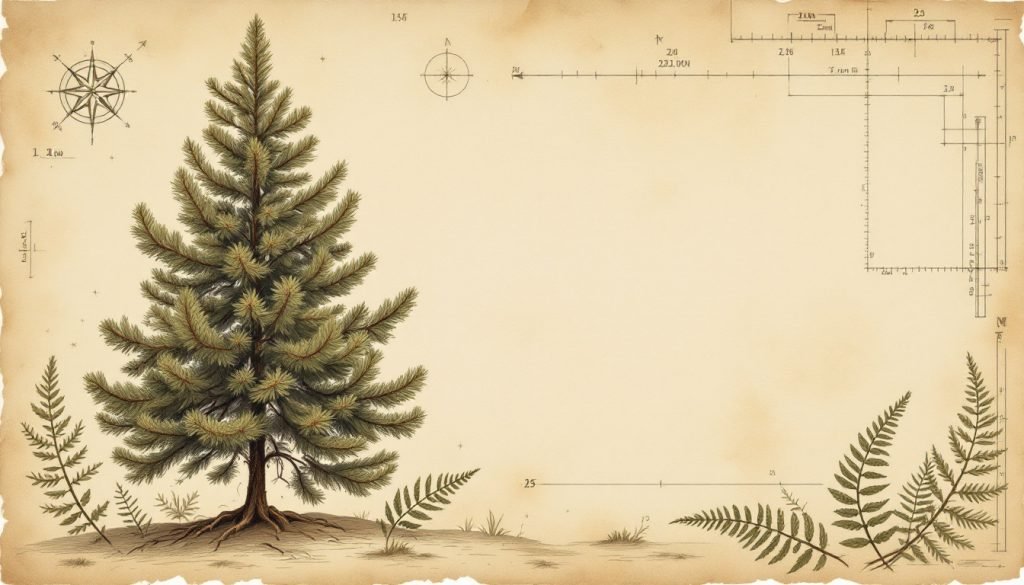
- Inner pine needle browning is usually normal 2-5 year needle shedding.
You noticed it first while mowing – the center of your pine tree looks like it’s dying. Brown needles clustered in the interior while the outer growth stays green. Before panic sets in, understand that this specific pattern is actually how pines maintain their health. However, the same symptoms can signal serious problems. As Michael Hartman, ISA Board Certified Master Arborist, I’ve evaluated thousands of pines showing this exact pattern. The difference between normal shedding and life-threatening disease often comes down to timing, species, and a few key visual cues you’ll learn to spot.
By the end of this article, you’ll know exactly when browning center needles require action versus when to let nature take its course. You’ll learn which pine species drop needles annually versus biennially, how drought and disease create different patterns, and the specific warning signs that warrant immediate professional assessment.
The Biology Behind Inner Needle Browning
Pine trees maintain their needles for 2-5 years depending on species, then systematically shed the oldest needles each fall. These aging needles occupy the inner portions of branches, closest to the trunk. As autumn approaches, the tree reabsorbs nutrients from these oldest needles, causing them to turn yellow, then brown, before dropping naturally.
This process is controlled by abscission layers that form at the base of each aging needle. The tree seals off water and nutrient flow to these needles, similar to how deciduous trees drop leaves. Species like Eastern white pine typically retain needles for 2-3 years, while Scots pine may hold needles for 4-5 years. This explains why some pines appear fuller than others – it’s not health, but genetics.
The browning starts at the base of each branch and progresses outward toward the newer growth. Needles don’t drop randomly; they follow a predictable sequence based on their age class. Healthy pines will show this pattern uniformly throughout the canopy, with the brown needles concentrated in the interior 6-12 inches of each branch.
Abscission layer: A specialized band of cells that forms at the base of aging pine needles, creating a clean break point that allows the tree to shed old needles without damaging living tissue.
Normal vs Problematic Browning Patterns
Normal seasonal needle drop creates a specific visual signature. The browning occurs evenly throughout the tree’s interior, affects only needles older than 2-3 years, and shows no progression into the current year’s growth. The transition from green to brown happens gradually over 4-6 weeks, typically starting in late September through November.
Problematic browning follows different rules. Drought stress often causes browning to start at branch tips and work inward, opposite of normal shedding. Needle cast diseases create random brown patches that don’t follow the age-based pattern. Bark beetles and other pests typically cause browning to start in the upper canopy and progress downward over weeks or months.
Pay attention to symmetry. Normal shedding is symmetrical – if inner needles are browning on the north side of the tree, the same pattern should appear on the south side. Asymmetrical browning, especially when concentrated on windward sides or lower branches, suggests environmental stress or pathogen attack rather than natural aging.
Warning Signs to Watch For
- Browning extends into current year’s needle growth – indicates active problem, not normal shedding
- Single branches or sections brown while others remain completely green – suggests localized disease or insect damage
- Browning accompanied by resin flow or sawdust – clear signs of bark beetle infestation requiring immediate treatment
Species-Specific Needle Drop Schedules
Different pine species follow distinct needle retention schedules that directly affect when and how much interior browning you’ll observe. Eastern white pine drops 2-year-old needles each fall, creating noticeable interior browning but maintaining a soft, full appearance overall. Austrian pine retains needles for 4-5 years, so interior browning appears minimal and gradual.
Scots pine presents a unique challenge – it drops massive amounts of 3-year-old needles simultaneously every third year, creating dramatic browning that alarms many homeowners. This cyclical pattern is completely normal but appears severe because it happens in distinct waves rather than gradual yearly shedding.
Ponderosa pine follows a 3-4 year retention schedule, but in dry climates may accelerate needle drop during drought years. Japanese black pine, popular in landscaping, retains needles for 3-4 years and typically shows minimal browning unless stressed. Understanding your specific pine species eliminates 80% of unnecessary tree service calls.
Pro Tip: Take photos of your pine’s interior browning pattern each October for three consecutive years. You’ll quickly establish what’s normal for your specific tree and catch genuine problems before they become severe.
Environmental Stress Factors That Accelerate Browning
While normal needle drop follows predictable patterns, environmental stressors can accelerate the process and create confusion. Prolonged drought forces pines to conserve water by dropping needles prematurely, often starting with the oldest interior needles but sometimes progressing to younger growth if stress continues.
Construction damage provides another common trigger. Soil compaction from heavy equipment within the tree’s drip line damages fine feeder roots, reducing water uptake. This often manifests as accelerated browning starting 6-12 months after construction, concentrated on the side of the tree where most soil disturbance occurred.
Winter salt damage creates distinctive patterns. Road salt spray causes browning concentrated on the side facing the street, typically affecting 2-3 year-old needles while sparing both oldest and newest growth. This creates a “salt spray shadow” effect that’s diagnostic once you know to look for it.
Air pollution and herbicide drift can also cause premature needle browning. These factors typically create scattered bronzing rather than solid brown color, and may affect multiple properties in the same area simultaneously. The pattern often appears worse on the windward side of trees.
Disease vs Normal Aging – Diagnostic Tests
Distinguishing disease from normal aging requires examining the specific characteristics of the browning pattern. Start with the needle attachment test – grasp a brown needle between thumb and forefinger and pull gently. If it releases easily, you’re likely seeing normal abscission. If it resists removal, suspect disease or insect damage.
Next, examine the needle color progression. Normal aging creates a transition from green to yellow to tan to brown. Disease often causes needles to turn directly from green to brown, sometimes with dark spots or bands. Look for fungal fruiting bodies – tiny black dots on brown needles indicate Diplodia tip blight or similar diseases.
Check branch tips for dieback. Normal needle drop never affects the current year’s growth. If you see browning extending into the soft, new needles at branch tips, you’re dealing with an active problem. Similarly, if browning starts at branch tips and works inward, that’s the opposite of normal aging and requires investigation.
The resin test provides another diagnostic clue. Healthy pines exude small amounts of resin from branch scars where old needles dropped. Excessive resin flow, especially with sawdust-like frass, indicates bark beetle activity. Orange or amber resin streaks on the trunk often accompany drought stress or disease.
5-Minute Health Assessment
- Pull test on 10 brown needles – should release easily if normal aging
- Examine branch tips – current year’s needles must be green
- Check symmetry – browning should be even throughout canopy
- Look for resin flow patterns – excessive flow indicates stress
- Compare to same species in neighborhood – similar timing suggests normalcy
When Professional Assessment Becomes Necessary
Certain patterns warrant immediate professional evaluation, even if you’re confident in your diagnosis abilities. Rapid browning that progresses from the top of the tree downward over 4-8 weeks often indicates bark beetle infestation, which can kill mature pines within a single season. This pattern requires immediate intervention.
Browning that affects only one side of the tree, especially if it progresses outward from the trunk along branches, suggests root damage or soil problems. This asymmetrical pattern won’t resolve on its own and may indicate construction damage, soil compaction, or root disease that requires professional diagnosis.
If your pine shows browning accompanied by small holes in the bark, sawdust at the base, or pitch tubes (popcorn-like resin masses), contact an arborist immediately. These are classic signs of bark beetle attack, and treatment timing is critical. Delaying even 2-3 weeks can mean the difference between saving and losing the tree.
Finally, if normal needle drop seems excessive for your species – more than 30% of total needles turning brown simultaneously – professional assessment can confirm whether environmental stress has pushed your tree beyond normal parameters. This is especially important for valuable specimen trees or those near structures.
When to Act
Best window: Immediate assessment if browning progresses beyond inner 6-12 inches of branches. Winter assessment works for bark beetle signs, but spring evaluation provides clearer disease diagnosis through lab testing of affected needles.
What to Do Next
If your pine’s browning follows the normal aging pattern – symmetrical, limited to interior needles, following species-specific timing – no action is required beyond regular tree health maintenance. Ensure adequate watering during drought periods, maintain proper mulching, and avoid soil compaction around the root zone.
For questionable cases, document the progression with weekly photos for 4-6 weeks. This creates a timeline that helps distinguish between normal seasonal patterns and developing problems. If browning accelerates or spreads to younger needles, schedule a professional assessment promptly.
Remember that healthy pines naturally develop a more open, airy appearance as they mature. Interior browning that reveals more trunk and branch structure isn’t necessarily decline – it’s often the tree achieving its natural adult form. The key is ensuring this transition happens gradually and symmetrically rather than suddenly or unevenly.
When in doubt, consult a certified arborist for definitive diagnosis. The cost of professional assessment is minimal compared to losing a mature pine, and early intervention for genuine problems often means the difference between treatment success and tree removal. For deeper understanding of wood health and finishing techniques, additional resources are available.