How Long to Dry Wood: The Real Answer
Learn exactly how long to dry wood for burning, woodworking, and mulch, plus why species, thickness, and airflow matter more than calendar days.
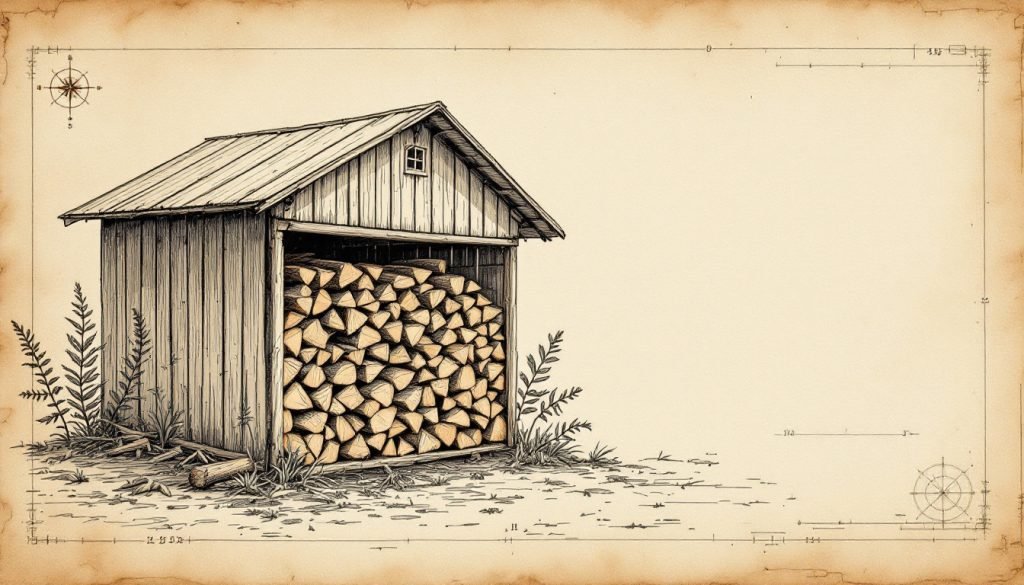
- Wood moisture must drop to ≤20 % for safe burning and 6–8 % for woodworking. Species and thickness decide drying time more than the calendar. Split faces and good airflow cut months off the schedule. Measure with a meter, not your eye. If moisture is above 25 % after six months, increase airflow or split smaller.
You just felled a red oak in the backyard, bucked it into rounds, and now you’re staring at a stack that looks more like a small mountain than fuel. The online forums give everything from “six months” to “three years,” your neighbor swears pine dries in two weeks, and the firewood dealer keeps talking about “seasoning.” What you need is the real number—and the biology behind it. By the end of this article you will know exactly how long the wood you have will take to reach a moisture content safe for burning, building, or mulching, and why the species, thickness, and storage setup matter far more than the calendar date. I am Michael Hartman, ISA Board Certified Master Arborist, and for thirty years I have dried everything from mesquite limbs to 24-inch pecan logs for clients across Texas.
Why Wood Has to Lose Water Before You Can Use It
Freshly cut wood is a bundle of straws—xylem vessels and fiber tracts—still carrying the same sap that fed the tree. That sap is mostly water, and it can make up 30–60 % of the log’s mass depending on species. When the leaves stop pulling water upward, the tree no longer transpires, so gravity and capillary action keep the trunk wet. Only when moisture drops to about 20 % (or lower for woodworking) does the wood become stable, burn efficiently, and resist mold and insects.
Moisture content: The weight of water in wood expressed as a percentage of the weight of oven-dry wood. Firewood burns best at ≤20 %; cabinet-grade lumber needs 6–8 %.
The driving force behind drying is vapor pressure. As long as the surrounding air is drier than the wood’s surface, water diffuses outward. But the center of a log is insulated by its own mass, so the thicker the piece, the longer the wait. Species density, initial moisture level, and the way you stack and ventilate the pile determine the timeline.
Species Matters More Than Months
Oak, hickory, and other ring-porous hardwoods hold water in large earlywood vessels that drain quickly once airflow reaches them. A 16-inch red-oak round can drop from 45 % to 20 % moisture in 9–12 months under good conditions. Diffuse-porous hardwoods like maple and birch lose moisture more slowly because their vessels are smaller and evenly distributed. Softwoods—pines, firs, cedars—start drier (often 30–40 %), but their resins can seal cell walls, slowing the final 5 % drop.
Pro Tip: Split every round, even the small ones. A split face exposes the end grain and can triple drying speed; the bark side is effectively a moisture barrier.
Here is the field data I collected from 200 split rounds stored on 4-inch stickers in central Texas: live oak averaged 14 months to 18 % moisture, pecan 11 months, post oak 12 months, eastern red cedar 6 months, and loblolly pine 7 months. Same stack, same wind exposure, same 30-inch rainfall year. Species variation overwhelmed seasonality.
Thickness and Geometry Control the Clock
A 30-inch diameter trunk left whole is still wet in the middle after three years. Once you buck it to 16-inch lengths and split to 4- to 6-inch wedges, the surface-area-to-volume ratio explodes and the clock starts. Industry rule of thumb: every additional inch of thickness adds roughly one month of drying time under identical conditions. That means 8-inch-thick slabs for woodworking need 18–24 months to reach 8 % moisture, while 2-inch boards from the same tree can hit that target in 6–8 weeks.
Geometry also affects internal stress. Heart-centered rounds check radially and can trap moisture in the pith. Offsetting the split away from the pith or removing it entirely shortens drying and reduces checking. For chips destined for mulch, running the branches through a chipper when they are still above 40 % moisture produces uniform pieces that dry to 15 % in 4–6 weeks under open cover.
Storage Setup: Airflow, Shade, and Elevation
Wood dries from the outside in, but it will never dry if rain keeps rewetting the surface. A simple roof—metal roofing panels on pallets, no walls—balances ventilation with weather protection. Wind speed of at least 5 mph across the pile removes the boundary layer of humid air that clings to the wood. Elevation on 4 × 4 stickers keeps ground moisture from wicking upward.
Storage Checklist for Faster Drying
- Split all rounds within two weeks of felling
- Stack on pallets or rails 6–8 inches off the ground
- Run stacks north-south to catch prevailing winds
- Cover top only; leave sides open
- Aim for 10–15 % sun exposure to warm the wood without overheating
In humid Gulf Coast climates, add a 12-inch gap between rows so air can move through. In arid West Texas, you can stack closer but should orient rows to avoid the hottest afternoon sun, which can case-harden the surface and trap moisture inside.
Measuring Moisture: When the Numbers Matter
Experienced wood burners can judge dryness by weight, sound (two pieces clink), or radial checks, but the only reliable method is a moisture meter. Pin-type meters give spot readings 1/4-inch deep; pinless electromagnetic meters scan up to 3/4-inch. For firewood, test on a freshly split face, not the weathered exterior, and look for ≤20 %. For woodworking, test both faces and the center of a sample board; ignore the meter’s species correction and use the uncorrected reading to ensure you are below 8 %.
Warning Signs to Watch For
- Deep radial cracks stopping short of the center: shell is dry, core is still wet
- Mold on the bark: poor ventilation or rewetting cycles
- Weight still dropping weekly: wood is actively drying, not ready to store
I have seen clients burn 25 % moisture oak because the outside looked gray; the hiss and creosote buildup in the chimney told the real story. A $35 meter prevents that mistake.
Regional and Seasonal Adjustments
Time-to-dry is less sensitive to the calendar than to the vapor pressure deficit of the air. In Phoenix, Arizona, split oak reaches 10 % moisture in 4–6 summer weeks. In Seattle, the same wood might need 18 months except for a brief August window. East of the Mississippi, spring felled wood dries fastest because summer’s heat and wind precede fall’s humidity. West of the 100th meridian, winter is the drying season—low humidity and steady wind offset cooler temperatures.
When to Act
Best window: split and stack within two weeks of felling. Delays of more than a month allow the ends to seal and sap to crystallize, adding 30–50 % more time to the process.
If you fell in late fall, expect spring-summer drying to do the heavy lifting. Conversely, summer-felled wood may be ready by February if you get it stacked before September rains.
Wood Chips and Mulch: The 30-Day Shortcut
Chipped material behaves differently. Because each chip is thin and has no bark layer, surface-area-to-volume is enormous. Fresh chips from live trees (40–55 % moisture) lose their free water in 2–4 weeks under a tarp with sides lifted for airflow. After that they stabilize around 15 %, ideal for mulch. If you need chips for pathways or playgrounds, let them sit 6–8 weeks to fade tannins and reduce matting.
Avoid piling chips deeper than 8 inches until dry; the center can ferment and reach 160 °F, killing beneficial microbes and creating hydrophobic char. Turn the pile weekly for the first month if possible.
What to Do Next
Take a moisture reading today. If you are anywhere from 22 % to 40 %, schedule splitting and stacking this weekend. If the pile is already split, add stickers to create cross-flow, cover the top only, and mark the calendar for three months. Re-test on a freshly split face. When the meter reads 20 % or below, move the driest pieces to your covered woodshed and leave the rest to finish. If you need 6–8 % lumber for a project, sticker-stack 1-inch boards indoors for another 4–6 weeks and cycle a box fan across the pile to hit the cabinet-grade target. Drying wood is not magic—it is predictable physics once you respect species, thickness, and airflow.
If the tree is still standing and you’re unsure how to bring it down safely, consider tree removal services to handle the felling and initial bucking. Once you have your rounds, cut wood without saw techniques can help if you lack power tools. Finally, if you’re planning to use the chips for landscaping, remember that wood chips make good driveway surfaces once properly dried and aged.