The Ultimate Guide to Felling Ppe Checklist
A complete felling PPE checklist from ISA Master Arborist Michael Hartman—every piece of protective gear you need before a chainsaw starts.
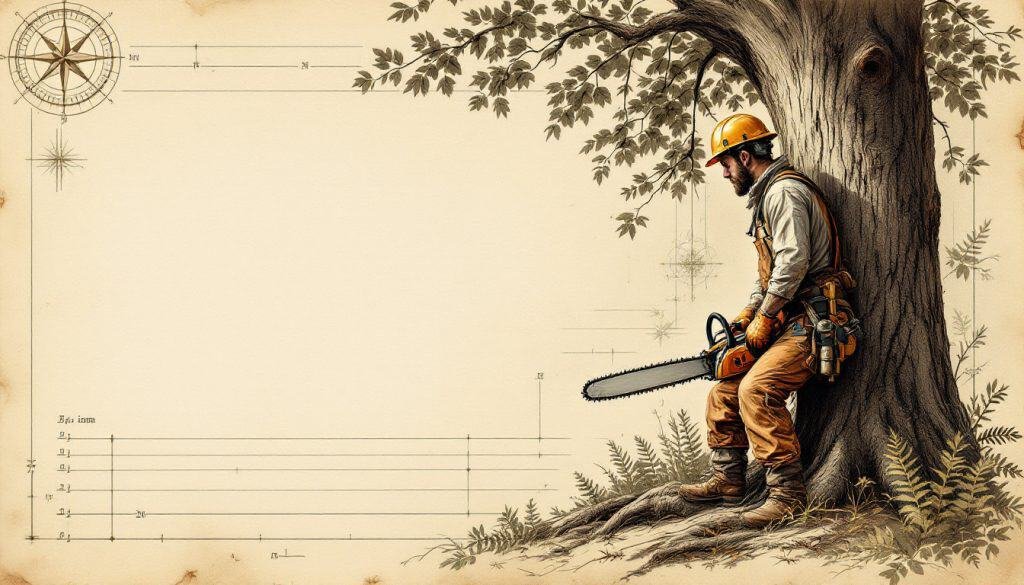
- Chainsaw kickback occurs in under 50 milliseconds—faster than any human reaction can compensate for. A complete felling PPE system addresses head, face, hearing, upper body, hands, and lower body simultaneously. Chainsaw chaps rated ASTM F1897 or EN 381-5 are the most critical and most commonly skipped item. Helmets must be replaced after any significant impact and after five years from manufacture date. Inspect every PPE item before each job and replace any piece that fails—no felling task justifies compromised gear.
You are standing at the base of a 60-foot white oak, chainsaw in hand, and the question hits you: am I wearing everything I need? It is not a trivial question. The U.S. Bureau of Labor Statistics consistently ranks logging and tree felling among the most hazardous occupations in the country, with struck-by incidents and lacerations accounting for the majority of serious injuries. Most of those injuries involve a worker who had the right PPE available but either skipped an item or wore it incorrectly. The difference between a close call and a life-altering injury is often a single piece of gear.
This guide is built around a systematic outdoor tree work layering checklist—the same framework I use when training crews and conducting job-site audits as an ISA Board Certified Master Arborist. Whether you are a homeowner tackling a backyard removal or a seasoned forestry outfit vs lumberjack working a timber harvest, the biological and mechanical realities of a falling tree do not change. Kickback, barber chairs, spring poles, and widow-makers are equal-opportunity hazards. By the end of this article, you will know exactly what to wear, why each item matters, how to inspect it before use, and what mistakes to avoid when assembling your felling PPE kit.
Why Felling PPE Is a System, Not a Collection of Gear
Personal protective equipment for tree felling is not a shopping list you check once and forget. It is an integrated system where each component addresses a specific injury mechanism. A chainsaw cut travels at roughly 60 feet per second at the chain tip. At that speed, cut-resistant chaps are not optional—they are the last line of defense between a kickback event and a severed femoral artery. Helmet systems protect against the impact of falling wood, which can weigh hundreds of pounds even from a modest height. Eye and face protection guard against wood chips, sawdust, and bark fragments that can cause permanent vision damage in a fraction of a second.
Understanding the injury mechanisms helps you appreciate why no single item can be skipped. Head injuries from falling debris are the leading cause of fatality in tree work. Chainsaw lacerations are the leading cause of serious non-fatal injury. Hearing damage from sustained chainsaw operation is cumulative and irreversible. Foot and ankle injuries from falling limbs and rolling logs are common enough that steel-toed, cut-resistant boots are a regulatory requirement under OSHA 1910.266 for logging operations. Each layer of PPE addresses a distinct threat, and removing any one layer creates a gap that the others cannot fill.
Kickback Zone: The upper quadrant of a chainsaw bar tip, roughly the top 90 degrees. Contact with wood in this zone causes the bar to rotate violently upward and toward the operator, often faster than human reaction time can respond.
The system mindset also means that PPE must be matched to the specific task. Felling a 10-inch diameter ornamental cherry in a residential yard involves different risk exposure than dropping a 36-inch diameter Douglas fir on a steep slope. The core PPE items remain the same, but supplemental protection—such as a face shield versus safety glasses, or Type II versus Type III chainsaw chaps—should be scaled to the hazard level. Treat your PPE checklist as a living document that gets reviewed before every job, not just once a season.
Head Protection: Helmets and Hard Hats for Tree Felling
A standard construction hard hat is not adequate for tree felling. You need a forestry helmet rated to ANSI Z89.1 Type I or Type II, and ideally one that integrates face and hearing protection into a single system. The Husqvarna Technical helmet and the Pfanner Protos are two examples of purpose-built forestry helmets that combine a hard shell, a mesh face shield, and earmuffs in one unit. The integrated design matters because it eliminates the gap between components and reduces the chance of wearing one piece without the others.
Helmet inspection before each use is non-negotiable. Check the shell for cracks, dents, or UV degradation—a chalky or faded surface on a plastic shell indicates UV breakdown that compromises impact resistance. Inspect the suspension harness inside the helmet for fraying, broken clips, or loss of elasticity. Most forestry helmets have a manufacturer-recommended replacement interval of five years from the date of manufacture, regardless of visible condition. Write the purchase date on the inside of the shell with a permanent marker so you always know where you stand.
Pro Tip: After any significant impact—even one that seems minor—retire the helmet immediately. The foam liner inside a hard hat is designed to crush and absorb energy on first impact. It will not protect you a second time, and the damage is invisible from the outside. A $60 helmet is cheap insurance compared to a traumatic brain injury.
For residential felling where overhead hazards are present, consider a helmet rated to Class E (electrical) if there is any possibility of contact with power lines. Always confirm that lines are de-energized before beginning work near them, but the electrical rating provides a secondary layer of protection during unexpected contact. Never assume a line is dead based on appearance alone.
Eye and Face Protection: Shields, Glasses, and Mesh Screens
The choice between safety glasses, a mesh face shield, and a polycarbonate face shield depends on the specific hazard. Safety glasses rated to ANSI Z87.1 are the minimum for any chainsaw operation. They protect against flying chips and sawdust but offer no protection against larger debris or the full-face exposure that comes with bucking and felling. A mesh face shield—the type integrated into most forestry helmets—provides broader coverage and allows better airflow in hot conditions, but mesh does not stop fine dust or liquid splash.
For operations involving significant dust, chemical application, or work near the base of a tree with heavy bark debris, a polycarbonate face shield or sealed safety goggles over safety glasses provides the most complete protection. The combination of glasses plus a face shield is common practice among professional arborists because it addresses both fine-particle and impact hazards simultaneously. Never rely on a face shield alone without underlying eye protection—a shield can deflect but not always stop a high-velocity chip.
Hearing Protection: Earmuffs and Earplugs for Chainsaw Work
A professional-grade chainsaw produces sound levels between 100 and 115 decibels at the operator’s ear. OSHA permissible exposure limits allow only 2 hours of unprotected exposure at 100 dB before hearing damage becomes likely. On a full day of felling, cumulative exposure without protection virtually guarantees progressive hearing loss. This is not a hypothetical risk—surveys of professional loggers consistently show elevated rates of noise-induced hearing loss compared to the general population.
Earmuffs integrated into a forestry helmet typically provide a Noise Reduction Rating (NRR) of 25 to 31 dB, which is sufficient for most chainsaw work. Foam earplugs rated NRR 33 can be worn underneath earmuffs for double protection during extended high-noise operations, such as running a large saw through dense hardwood for several hours. The combined protection is not additive—you cannot simply add the two NRR values—but the combination does provide meaningful additional attenuation. Check earmuff cushions regularly for cracks or hardening, which reduce the acoustic seal and cut effective NRR by as much as 50 percent.
Upper Body and Hand Protection: Jackets, Gloves, and Cut-Resistant Layers
Cut-resistant chainsaw jackets or chaps for the upper body are required in many professional logging environments and strongly recommended for any felling work. These garments contain layers of cut-resistant fiber—typically Kevlar, Dyneema, or similar ballistic-grade material—that jam the chainsaw drive sprocket on contact, stopping the chain before it penetrates deeply. A chainsaw jacket rated to EN 381-11 Class 1 provides protection at chain speeds up to 20 meters per second, which covers most consumer and prosumer saws.
Gloves for chainsaw work must balance cut resistance with tactile feedback. Gloves rated to EN 381-7 provide chainsaw cut protection for the back of the left hand—the hand most exposed during a kickback event. Avoid gloves that are so thick they reduce your grip on the saw handle, as a secure grip is itself a safety mechanism. Anti-vibration gloves are a secondary consideration for operators running saws for extended periods, as hand-arm vibration syndrome (HAVS) is a documented occupational hazard for professional loggers and arborists.
Complete Felling PPE Pre-Use Checklist
- Forestry helmet: inspect shell, suspension, and date of manufacture—replace if over 5 years old or impacted
- Face shield or safety glasses: check for scratches, cracks, or UV yellowing that impairs visibility
- Earmuffs: verify cushion seal integrity and NRR rating matches noise exposure level
- Chainsaw chaps or cut-resistant pants: inspect for cuts, tears, or exposed fiber layers from previous contact
- Cut-resistant gloves: check for wear at palm and finger seams, confirm EN 381-7 rating on left hand
- Steel-toed, cut-resistant boots: inspect sole for separation, check steel toe cap for deformation
- High-visibility vest or jacket: confirm reflective strips are intact and visible from 300 feet
- First aid kit and communication device: verify kit is stocked and phone or radio has signal before starting
Lower Body and Foot Protection: Chaps, Pants, and Boots
Chainsaw chaps are the single most important piece of PPE for felling work, and they are also the most commonly skipped item among homeowners and inexperienced operators. Chaps rated to ASTM F1897 or EN 381-5 Class 1 or Class 2 are designed to stop a moving chain at speeds up to 20 or 28 meters per second, respectively. Class 2 chaps are appropriate for larger professional saws and steep-terrain work where the risk of a stumble is elevated. Chaps must fit correctly—they should cover the full front of both legs from waist to boot top, with no gap at the ankle.
Footwear for felling must meet two distinct requirements: chainsaw cut resistance and structural support. Boots rated to ASTM F2413 for impact and compression protection address the crush hazard from rolling logs and falling limbs. Cut-resistant boots with chainsaw protection—rated to EN ISO 17249 Class 1 or 2—address the laceration hazard from a saw contacting the foot or ankle. Logging boots with a high ankle cut, aggressive lug sole, and steel shank provide the additional ankle support needed on uneven terrain. Rubber-soled boots with a heel are preferred over flat-soled work shoes because the heel prevents the foot from sliding forward under a log.
Common PPE Mistakes That Compromise Felling Safety
The most dangerous mistake is treating PPE as optional for short tasks. The logic of “I’m only making one cut” is responsible for a disproportionate share of chainsaw injuries. Kickback does not care how brief the operation is. A single plunge cut into a hidden tension zone can produce a kickback event in under 50 milliseconds—faster than the blink reflex. Full PPE must be donned before the saw is started, every time, without exception.
Common Mistakes to Avoid
- Wearing chaps without boots: Chaps protect the leg but leave the foot and ankle exposed. A chainsaw cut to the top of the foot can sever tendons and arteries with the same speed as a leg cut. Always pair chaps with cut-resistant boots.
- Using expired or impacted helmets: A helmet that has absorbed a significant impact or exceeded its service life provides false confidence. The shell may look intact while the internal structure is compromised. Check manufacture dates and replace on schedule.
- Skipping hearing protection for short runs: Even a 30-second cut at 110 dB contributes to cumulative hearing damage. Noise-induced hearing loss is permanent and progressive—there is no recovery once the hair cells in the cochlea are damaged.
- Wearing loose clothing under PPE: Loose sleeves, untucked shirts, or dangling drawstrings can catch on a moving chain or snag on brush during a fall. All base layers should fit close to the body and be tucked in before PPE is donned.
Building and Maintaining Your Felling PPE Kit
A complete felling PPE kit for a single operator includes a forestry helmet with integrated face shield and earmuffs, safety glasses, chainsaw chaps or cut-resistant pants, a cut-resistant jacket or upper-body protection, chainsaw-rated gloves, steel-toed cut-resistant boots, a high-visibility vest, and a stocked first aid kit. For professional operations, add a communication device with confirmed signal coverage for the work area. The total investment for a quality kit from reputable manufacturers runs between $400 and $800—a fraction of the cost of a single emergency room visit.
Storage and maintenance extend the service life of every item. Store helmets and chaps away from direct sunlight and chemical exposure, both of which degrade synthetic materials. Wash chaps according to manufacturer instructions—most cut-resistant garments should not be machine-dried at high heat, as heat degrades the protective fiber layers. Inspect every item at the start of each season and after any incident where PPE was contacted by a saw or struck by debris. Keep a log of purchase dates, inspection dates, and any damage noted. This documentation is required for OSHA-regulated logging operations and is simply good practice for anyone doing regular felling work.
Your Next Steps Before the Next Felling Job
Before you start your next saw, run through the complete checklist above. Lay every item out on a flat surface, inspect each piece systematically, and confirm fit before you approach the tree. If any item fails inspection—cracked shell, torn chap panel, degraded earmuff cushion—replace it before proceeding. No felling job is urgent enough to justify compromised PPE. The tree will still be there tomorrow.
If you are new to felling or returning after a long break, consider a hands-on chainsaw safety course from a certified instructor before tackling anything larger than a 12-inch diameter stem. PPE protects you from the consequences of errors, but training reduces the frequency of errors in the first place. The combination of proper gear and proper technique is what separates a safe felling operation from a statistic. Assemble your kit, inspect it thoroughly, and approach every tree with the same systematic discipline you bring to the gear on your body.