When Logbooks Get Checked: Explained by Arborists
Learn how to safely prune tree roots, the risks involved, and the correct techniques to protect your tree's health and stability.
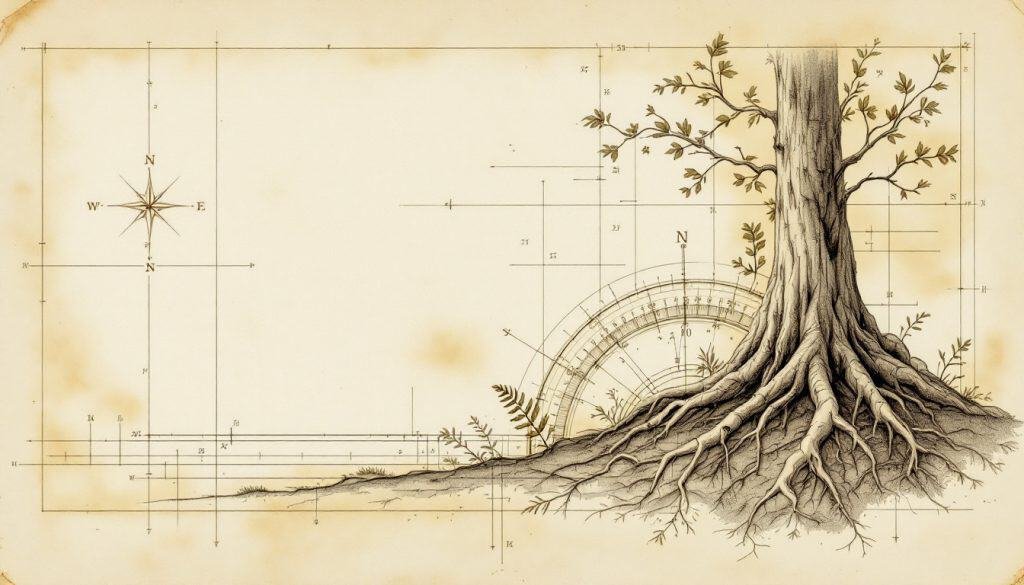
- Tree roots extend 2-3x the canopy width, mostly within 18 inches of soil surface. Never cut roots closer than 3x trunk diameter from the base to prevent tree failure. Remove maximum 25% of root system per year, timing cuts during January-March dormancy. Roots larger than 4 inches within 15 feet of trunk require professional arborist assessment. Monitor tree stability for 18 months post-pruning, watching for lean or early fall color.
Most homeowners first discover root pruning when a sidewalk heaves, a sewer line backs up, or a foundation crack appears. Suddenly you’re faced with cutting through roots that seem as thick as your arm, wondering if you’re about to kill a 40-year-old oak. I’ve guided hundreds of property owners through this exact scenario, and the difference between a tree that thrives for decades and one that dies within two years comes down to understanding which roots to cut, when to cut them, and how to minimize the shock.
As an ISA Board Certified Master Arborist, I’ve spent 30 years studying how trees respond to root injury. The good news: most mature trees can tolerate strategic root pruning if you follow the biological rules. By the end of this guide, you’ll know exactly where to make cuts, what diameter roots are safe to remove, and how to monitor your tree’s recovery. More importantly, you’ll understand when to call in a professional versus tackling the project yourself.
Understanding Tree Root Biology: The Foundation of Safe Pruning
Tree roots operate on a fundamentally different system than branches. While you can remove 25% of a tree’s canopy without major stress, cutting the wrong 10% of roots can destabilize or kill the tree. The critical zone extends outward from the trunk in a radius equal to the tree’s height, not the drip line most people imagine. Within this zone, roots serve specific functions: structural roots provide anchorage, feeding roots absorb water and nutrients, and transport roots connect everything together.
The 3x rule governs safe root pruning: never cut roots closer than three times the trunk diameter from the tree’s base. For a 12-inch diameter oak, this means staying 36 inches away from the trunk. This zone contains the major structural roots that keep the tree upright during storms. Beyond this distance, you can typically remove roots up to 2 inches in diameter without compromising stability, provided you remove no more than 25% of the total root system in a single year.
Root Collar: The flare where the trunk meets the root system, typically found at ground level. This area should never be buried under soil or mulch, as it contains specialized tissue for gas exchange between roots and atmosphere.
Roots store carbohydrates in specialized cells, making them energy reserves during stress periods. When you cut roots, you remove these stored resources and open pathways for decay fungi. Trees compartmentalize root wounds differently than branch wounds, creating chemical barriers that can take years to establish. This biological reality explains why timing and technique matter so much for successful root pruning.
When Root Pruning Becomes Necessary: Identifying Legitimate Situations
Not every root conflict requires pruning. Before picking up a saw, assess whether alternative solutions exist. Surface roots lifting sidewalks often indicate poor planting practices or compacted soil. Sometimes grinding down concrete or installing a boardwalk preserves both the tree and pedestrian access. Similarly, minor foundation cracks might be addressed with flexible sealants rather than root removal.
Legitimate pruning situations include: roots blocking utility installations where no rerouting option exists, major structural damage to buildings where engineering confirms root involvement, and safety hazards where lifted concrete creates trip risks in high-traffic areas. Emergency situations like burst water mains or gas leaks may require immediate root cutting, though these scenarios demand professional assessment of tree stability afterward.
Warning Signs to Watch For
- Cracks in foundation walls: Look for diagonal cracks wider at the top, indicating differential settling from root removal
- Sidewalk displacement: Vertical displacement greater than 1 inch creates ADA compliance issues and liability risks
- Root exposure: Visible surface roots larger than 2 inches diameter within 10 feet of structures
- Multiple utility conflicts: Roots affecting water, sewer, and gas lines simultaneously
Before proceeding with root pruning, document the situation with photographs and consult your local building department about permit requirements. Some municipalities require arborist reports before approving root cutting near protected trees. This documentation protects you legally and provides baseline data for monitoring tree health post-pruning.
The Technical Process: Step-by-Step Root Pruning Method
Successful root pruning starts 24 hours before you make the first cut. Water the entire root zone thoroughly to reduce stress and improve wound response. Mark a circle around the tree using the 3x trunk diameter rule as your minimum distance. For a 20-inch diameter maple, this means staying 60 inches away from the trunk. Use spray paint to mark your intended cut lines, adjusting based on root size and direction.
Expose roots using an air spade or careful hand digging. Never use mechanical equipment near tree roots, as the vibration and tearing action causes far more damage than clean cuts. Once roots are exposed, identify the root collar (where the root flares away from the trunk) and trace the root to its destination. Remove only the portion necessary to solve the conflict, making the cut as far from the trunk as possible.
Tools You Will Need
- Sharp pruning saw: Choose a 13-16 inch curved blade for roots up to 4 inches diameter
- Air spade or air knife: Uses compressed air to safely excavate soil without root damage
- Pruning sealant: Specifically formulated for root wounds, not tree paint
- Soil auger: For creating inspection ports to monitor root health post-pruning
Root barrier: HDPE or metal barrier to redirect future growth, minimum 24 inches deep
Make cuts using the three-cut method to prevent bark tearing. First, make an undercut 6 inches beyond your final cut line, cutting upward through one-third of the root diameter. Second, make a top cut 2 inches beyond the undercut, sawing downward until the root breaks. Finally, make your finishing cut at the intended location, creating a smooth surface that heals efficiently. Remove roots in stages over multiple years rather than all at once.
Timing and Seasonal Considerations: When to Cut for Maximum Success
Root pruning timing directly impacts tree survival and recovery speed. The optimal window occurs during dormancy, typically January through March in temperate climates. During dormancy, trees have maximum carbohydrate reserves in roots and minimal physiological activity. This timing allows wound closure to begin before spring growth demands redirect energy away from healing.
Avoid root pruning during two critical periods: spring bud break through early summer (March-June), when trees allocate maximum resources to new growth, and during drought stress (typically July-September in most regions). Summer pruning removes roots during peak water demand, potentially causing rapid decline or death. Fall pruning (October-December) works acceptably in mild climates but risks winter damage in areas with harsh winters.
When to Act
Best window: January through March during full dormancy. Emergency pruning can occur year-round, but expect 40-60% higher tree mortality and plan for intensive aftercare including supplemental watering and fertilization.
Weather conditions matter beyond seasonal timing. Avoid root pruning during extreme heat (above 90°F) or when soil is frozen more than 2 inches deep. Ideal conditions include soil temperatures between 35-45°F and adequate soil moisture throughout the root zone. These conditions promote rapid wound closure and minimize stress response.
Aftercare and Monitoring: Ensuring Long-term Tree Health
Post-pruning care determines whether your tree recovers or declines. Immediately after pruning, water the entire root zone deeply, applying 1-2 inches of water over the entire area beneath the canopy. Continue deep watering weekly during the first growing season, tapering to biweekly during the second year. Monitor soil moisture at 8-inch depth using a soil auger or moisture meter.
Fertilization timing proves critical after root pruning. Avoid high-nitrogen fertilizers for one year post-pruning, as rapid top growth stresses the reduced root system. Instead, apply a balanced fertilizer with equal parts nitrogen, phosphorus, and potassium in early spring following pruning. Use 2-3 pounds of actual nitrogen per 1,000 square feet of root zone, calculating based on the fertilizer’s analysis percentage.
Pro Tip: Install root inspection ports using 4-inch perforated drain pipe placed vertically in the soil at the dripline. Check these quarterly for the first two years to monitor root regeneration and catch problems early before they become visible above ground.
Monitor tree stability for 18 months after major root pruning. Look for signs like increased lean, cracks in the soil around the base, or early fall coloration indicating stress. If you observe any of these symptoms, consult a certified arborist immediately for stability assessment. Trees losing major structural roots may require cabling or bracing to prevent failure during storms.
Professional vs. DIY: Knowing Your Limits
While homeowners can safely handle minor root pruning projects, certain situations demand professional expertise. Call a certified arborist when: roots larger than 4 inches diameter need removal within 15 feet of the trunk, multiple roots require simultaneous removal, the tree shows signs of decline or disease, or when permits are required for protected species. Professional assessment typically costs $200-400 but prevents costly tree removal if pruning goes wrong.
Professional arborists bring specialized equipment like resistograph drills to measure internal decay, air excavation tools that minimize root damage, and the expertise to predict how pruning will affect tree stability. They also carry insurance covering both property damage and tree replacement if something goes wrong. For trees valued over $10,000 or situations where failure could damage structures, professional involvement becomes essential.
DIY projects work well for roots smaller than 2 inches diameter located beyond the 3x trunk diameter zone. These situations typically involve redirecting growth rather than major structural changes. Even for DIY projects, consider hiring an arborist for initial assessment and pruning recommendations, then handling the actual cutting yourself. This hybrid approach saves money while ensuring you understand the biological limits of what can be safely removed.
Conclusion: Making Informed Decisions About Root Pruning
Root pruning succeeds when you respect the tree’s biological limits and timing requirements. Remember the 3x trunk diameter rule as your absolute minimum distance, never remove more than 25% of roots in one year, and time pruning during dormancy for best results. Document everything with photographs, obtain necessary permits, and monitor tree health for 18 months post-pruning.
When root conflicts arise, always consider alternatives first. Rerouting utilities, adjusting construction plans, or accepting minor sidewalk displacement often costs less than tree removal if pruning fails. If you must prune, invest in proper tools, follow the techniques outlined here, and don’t hesitate to call professionals when roots exceed safe removal limits. A thoughtful approach to root pruning preserves both your tree’s health and your property’s value for decades to come.
For those managing commercial tree care operations, maintaining accurate records is crucial. Consider whether paper vs electronic logbooks better suit your workflow, and understand how long log book take to complete. Additionally, staying compliant with federal regulations requires understanding the ELD rule requirements and preparing for DOT roadside inspections.