Understanding Hand Saw Felling Limitations
Tree cavities are hollow spaces in trunks or branches that can signal serious structural issues. Learn when they're harmless and when they demand immediate a...
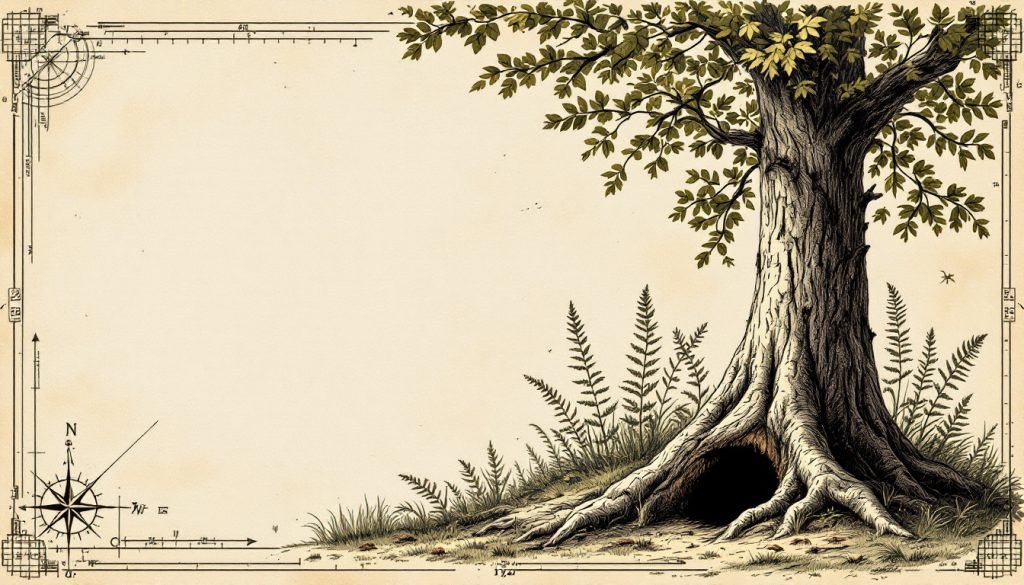
- Tree cavities are natural walling-off of decayed wood, not necessarily dangerous. Cavities exceeding 30% trunk diameter at ground level require immediate evaluation. Active, vigorous growth around cavities indicates successful structural compensation. Never fill cavities with concrete - professional support systems are safer and more effective. Annual photo monitoring tracks cavity changes and prevents unnecessary removals.
You noticed a dark hole in your oak’s trunk while mowing last weekend, or maybe your neighbor pointed out the hollow spot where the maple forks. That sinking feeling sets in – is your beloved tree about to snap in the next storm? As an ISA Board Certified Master Arborist who’s assessed thousands of trees across Texas, I can tell you that tree cavities spark more homeowner panic calls than any other single issue. Yet cavities are also one of the most misunderstood tree phenomena.
The truth sits somewhere between “everything’s fine” and “emergency removal.” Tree cavities form through natural processes that trees have handled for millions of years, but modern urban conditions change the equation. By the end of this guide, you’ll understand what cavities really mean, how to assess their severity using proven arborist methods, and exactly when to call in professional help versus when to simply monitor the tree.
The Biological Reality: How and Why Trees Form Cavities
Tree cavities aren’t defects – they’re the tree’s natural response to injury and decay. When bark gets damaged by broken branches, lawn mower strikes, or pruning wounds, decay fungi colonize the exposed wood. The tree responds by creating chemical and physical barriers, essentially walling off the infection. This “compartmentalization” process, discovered by Dr. Alex Shigo, creates a hollow space as the tree isolates and slowly consumes the decaying wood internally.
Unlike human wounds that heal by replacing damaged tissue, trees wall off injuries. The cavity forms as the tree creates new wood around the compromised area, essentially growing a new trunk within the old one. This process can take decades, and many large cavity-ridden trees have been safely standing for over a century. The key is understanding that the tree’s structural strength depends on the remaining sound wood, not the size of the cavity.
Compartmentalization of Decay in Trees (CODIT): The tree’s natural defense system that creates walls around injured areas, preventing decay from spreading while maintaining structural integrity through new wood growth.
Different species handle cavity formation uniquely. Oaks create strong compartmentalization walls, often maintaining structural integrity even with massive internal hollows. Maples compartmentalize less effectively, making cavities more concerning. Cottonwoods and willows grow rapidly but compartmentalize poorly, so cavities often indicate higher risk. Understanding your tree species matters as much as measuring the cavity itself.
Diagnosing Cavity Severity: The Professional Assessment Process
Professional arborists use systematic methods to evaluate cavity risk,. The process starts with visual inspection from multiple angles, looking for external indicators that reveal internal conditions. We measure cavity opening dimensions and location relative to the tree’s structure, but these measurements alone don’t determine risk.
The critical assessment involves evaluating residual wall thickness using specialized tools. Resistograph drilling provides data on remaining sound wood, while sonic tomography creates images of internal decay patterns. However, most homeowners can do initial screening using simple techniques. Tap the trunk with a rubber mallet – solid wood produces sharp, ringing sounds while hollow areas sound dull. Use a long screwdriver to probe cavity edges, feeling for firm versus punky wood.
Warning Signs to Watch For
- Cracks radiating from cavity openings: Indicate structural failure beginning in compromised wood
- Cavity opening larger than 40% of trunk diameter: Significantly reduces load-bearing capacity
- Cavity located at branch unions or trunk forks: Creates leverage points for storm failure
- Fungal fruiting bodies (conks) around cavity: Active decay organisms present
- Recent lean toward cavity side: Tree beginning to fail under its own weight
Location matters tremendously. Cavities high in the canopy pose less risk than those at the base. A cavity on the compression side of a leaning tree creates immediate hazard, while the same cavity on the opposite side might be inconsequential. The tree’s overall health influences risk – stressed trees allocate fewer resources to strengthening remaining wood around cavities.
When Cavities Are Actually Benign
Many tree cavities create unnecessary alarm. Small cavities in otherwise healthy trees often strengthen over time as the tree adds new wood layers. Wildlife cavities – those used by birds, bats, or small mammals – typically form in ways that don’t compromise structural integrity. These natural hollows often have thick, sound walls and show no signs of active decay.
The key indicator of benign cavities is active, vigorous growth. Trees adding substantial annual growth rings around cavity areas demonstrate their ability to compensate structurally. Look for thick, calloused tissue around cavity openings – this shows the tree successfully compartmentalizing the injury. Healthy bark patterns extending over cavity edges indicate the wound is closed to further infection.
Pro Tip: Use your smartphone to photograph the cavity annually from the same angle and distance. Compare photos over 3-5 years – if the cavity opening appears smaller relative to trunk diameter, the tree is successfully outgrowing the damage.
Some cavities serve important ecological functions. Large hollow trees provide irreplaceable habitat for owls, raccoons, and endangered species like red-cockaded woodpeckers. These wildlife trees often warrant retention even with significant cavities, though they may need cabling or other support systems to remain safe near structures.
Red Flags: When Immediate Action Is Required
Certain cavity characteristics demand immediate professional evaluation. Cavities extending more than halfway through the trunk at ground level create critical structural weakness. When combined with any lean, these trees can fail catastrophically without warning. The magic number is 70% – when sound wood comprises less than 30% of trunk cross-section at any point, removal becomes the prudent choice.
Multiple cavities in the same trunk section compound risk exponentially. Two smaller cavities on opposite sides create a “shell trunk” scenario where failure occurs along the remaining thin wood between hollow areas. This pattern commonly follows old lightning damage or severe mechanical injury.
Recent storm damage around cavity areas changes everything. If wind has torn open a cavity, exposing previously protected decay to new infection, the tree’s compartmentalization defenses are breached. Fresh cracks extending from cavity openings indicate immediate structural compromise requiring emergency assessment.
Management Options: From Monitoring to Removal
Cavity management ranges from simple monitoring to complex support systems. For low-risk cavities in valuable trees,, regular inspection every 1-2 years suffices. Document cavity dimensions and growth patterns, watching for changes that indicate increasing risk. This approach works best for cavities high in the canopy or in trees with strong compartmentalization.
Cavity filling represents controversial territory in arboriculture. Modern practice generally avoids filling cavities with concrete or foam, as these materials don’t bond with living wood and can actually accelerate decay by trapping moisture. Instead, professional arborists install structural support systems – cables, braces, or propping systems – that reduce mechanical stress on cavity-weakened areas.
Cavity Management Decision Tree
- Cavity less than 30% of trunk diameter, good compartmentalization: Monitor annually
- Cavity 30-50% of trunk, sound wood around opening: Install support cables
- Cavity over 50% at critical location: Consider phased removal or intensive support
- Multiple cavities or active decay: Professional risk assessment required
- Tree leaning toward target: Immediate removal evaluation
Advanced techniques include installing internal support rods that essentially through the cavity, connecting sound wood on opposite sides. These systems require specialized equipment and expertise but can preserve valuable trees that would otherwise require removal. The key is matching the support system to the specific failure mode – compression failures need different support than tension failures.
Prevention: Stopping Cavities Before They Start
Most tree cavities are preventable through proper care and maintenance. The primary cause is mechanical injury – lawn mowers, string trimmers, and construction equipment create wounds that invite decay. Install physical barriers around trees in high-traffic areas. Maintain 2-3 inches of mulch in a wide ring to eliminate the need for string trimming near trunks.
Proper pruning technique prevents branch-stub cavities. Make clean cuts just outside the branch collar, never leaving stubs that can’t compartmentalize effectively. Large pruning wounds (>4 inches diameter) on slow-healing species like oaks require special attention – consider hiring certified arborists for major pruning.
Storm damage response affects cavity development significantly. Broken branches should be pruned immediately to clean stubs that can compartmentalize. Torn bark requires careful trimming to smooth edges that promote healing. Trees stressed by drought, construction, or other factors compartmentalize injuries more slowly, increasing cavity risk. USDA Forest Service research shows proper wound management reduces cavity formation by up to 60%.
What to Do Next: Your Action Plan
Start with a systematic evaluation of any cavities you’ve noticed. Measure cavity openings and their location on the trunk. Take photos for comparison. If cavities exceed 30% of trunk diameter at any point, or if you observe any red flags mentioned above, contact a certified arborist for formal risk assessment.
For smaller cavities in healthy trees, establish an annual monitoring routine. Document cavity dimensions each spring, watching for changes in size, shape, or associated symptoms. Consider this part of regular property maintenance, like checking your roof or HVAC system.
Most importantly, don’t let cavity anxiety drive hasty decisions. Many cavity-ridden trees provide decades of safe, valuable shade and habitat. The key is informed assessment rather than panic response. When in doubt, professional consultation costs far less than emergency removal or property damage from preventable failure.