A Field Guide to Excavator Buncher Safety Risks
Cutting tree roots risks stability, disease and death. Learn when roots can be safely pruned and when to call an arborist.
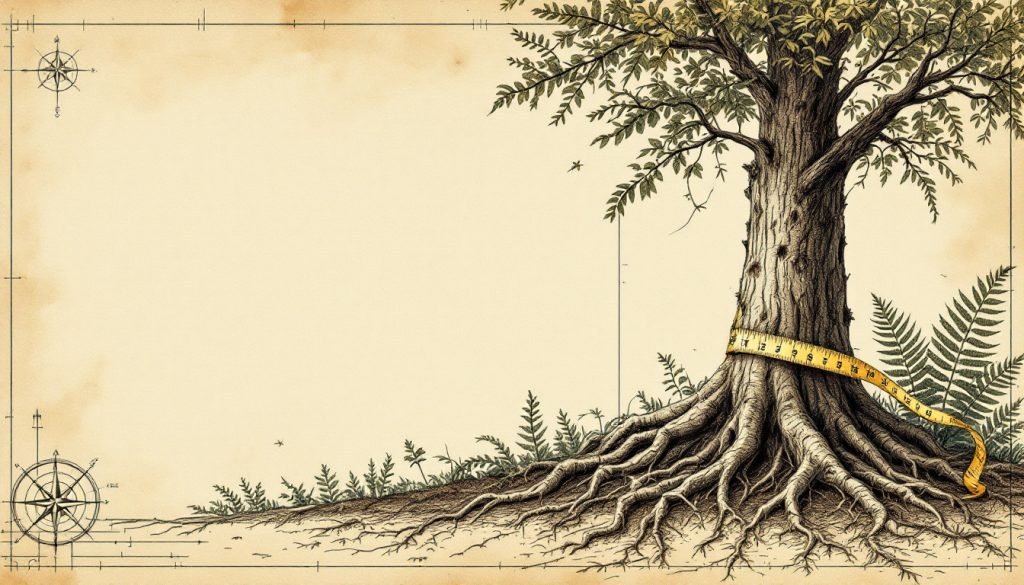
- Trees survive root pruning only when cuts occur outside the critical root zone.
That root snaking under your driveway or foundation wasn’t a problem when the tree was young, but now it’s lifting concrete and blocking plumbing. Homeowners face this dilemma thousands of times each year: cut the root and risk the tree, or keep the infrastructure damage mounting. The answer depends on which root, how close to the trunk, what species, and how much of it you remove.
Michael Hartman, ISA Board Certified Master Arborist, explains that trees can survive strategic root pruning when done within strict biological limits. The key lies in understanding how roots support the canopy, transport nutrients, and protect against decay. Remove too much structural support or sever major transport pathways, and the tree declines rapidly. Remove minor roots while preserving the critical zone within 3-5 feet of the trunk, and most established trees adapt within one growing season.
What Happens When You Cut Tree Roots
Trees compartmentalize root damage differently than above-ground wounds. Instead of sealing the cut, they wall off damaged tissue and redirect growth around the injury. This process consumes stored carbohydrates and weakens the tree’s defense against insects and diseases. Research shows that removing 25% of a tree’s root mass within the dripline can reduce canopy density by 15-20% the following year. The effect compounds when cuts occur closer than 3 feet from the trunk.
Root systems provide three critical functions: structural anchorage against wind, water and nutrient uptake, and storage of carbohydrates for seasonal growth. Severing major roots compromises all three simultaneously. Trees respond by activating dormant buds near the cut to produce replacement roots, but this emergency growth diverts resources from canopy maintenance. The result is a smaller, less vigorous tree that becomes vulnerable to secondary problems like borers or fungal decay.
The Critical Root Zone Explained
Term: The critical root zone (CRZ) is the area within 1 foot of trunk diameter for every 6 inches of trunk diameter at breast height (4.5 feet). For a 24-inch diameter oak, the CRZ extends 48 feet from the trunk.
Within the CRZ lies 60-80% of a tree’s absorptive capacity and nearly all its structural stability. Major anchoring roots spread horizontally from the trunk base, while fine feeder roots concentrate in the upper 18 inches of soil throughout the CRZ. Cutting roots inside this zone removes both the structural support and the transportation network that feeds the canopy. Trees rarely recover full vigor after major root loss within the CRZ.
The CRZ calculation provides a biological buffer zone that protects trees during construction or infrastructure repairs. Arborists use this measurement to determine where mechanical damage becomes life-threatening. For most mature landscape trees, the CRZ extends well beyond the visible dripline, encompassing areas where roots interact with sidewalks, foundations and utility lines.
Which Roots Can Be Safenly Removed
Small diameter roots less than 2 inches thick located outside the CRZ can usually be removed without long-term consequences. These minor roots contribute minimally to structural support and represent less than 5% of the tree’s total absorptive capacity. Removing them during construction or landscaping projects rarely causes visible stress symptoms in the canopy.
Surface roots that create tripping hazards in lawns often qualify for safe removal when they’re more than 10 feet from the trunk. The key is cutting cleanly with sharp tools and avoiding tearing bark back toward the trunk. Proper cuts allow trees to compartmentalize the wound efficiently while maintaining structural integrity.
Pro Tip: When removing surface roots, cut perpendicular to the root’s direction, not parallel. This minimizes bark tearing and creates a smaller wound surface that trees can compartmentalize faster. Always cut roots at their natural termination point rather than creating stubs.
How Close Is Too Close
Distance from the trunk determines survival probability more than root diameter alone. Research on urban street trees shows that removing roots within 3 feet of the trunk causes immediate stress symptoms in 85% of cases. Between 3-6 feet, the survival rate improves to 65%. Beyond 6 feet, most mature trees tolerate single root removal without visible decline.
The 3-foot rule serves as a practical guideline for homeowners and contractors. Within this radius, roots transition from minor feeders to major structural elements. Removing them creates a wound area that exceeds the tree’s compartmentalization capacity, leading to decay columns that extend into the trunk base. Professional arborists rarely approve root cutting within this zone except for complete tree removal.
Species That Tolerate Root Pruning
Some species adapt better to root disturbance than others. Red maples, river birches and most willow species produce abundant adventitious roots from cut surfaces. These fast-growing species replace lost absorptive capacity within 12-18 months after pruning. They evolved along riverbanks where erosion naturally exposes and damages roots.
Oaks, pines and most conifers respond poorly to root loss. Their slower growth rates and limited adventitious root production make replacement difficult. These species depend on established root architecture for long-term stability. Cutting major roots on mature oaks often triggers a slow decline lasting 3-5 years before death.
| High Tolerance | Poor Tolerance |
|---|---|
| Red maple, River birch, Willow | Oak, Pine, Most conifers |
| Replace roots in 12-18 months | Slow decline over 3-5 years |
| Adventitious root production | Limited regeneration |
Professional Assessment Methods
Certified arborists evaluate root cutting proposals using several diagnostic tools. Air excavation with compressed air exposes root systems without mechanical damage, allowing precise measurement of root diameters and distances. This method reveals whether proposed cuts fall within safe parameters or require alternative solutions like tunneling beneath roots.
Resistograph drilling tests measure trunk decay potential when roots must be removed close to the trunk. This micro-drill resistance measurement detects internal decay columns that weaken structural integrity. Combined with canopy assessments and soil analysis, these tests predict survival probability before cutting begins.
Professional evaluation costs typically range $300-800 but prevents thousands in tree removal and replacement costs when trees decline after improper root cutting. Most arborists recommend preserving trees whenever biologically feasible while maintaining infrastructure safety.
Alternatives To Cutting Mature Roots
When infrastructure conflicts arise, several alternatives exist to cutting major roots. Tunneling beneath root systems preserves both infrastructure and tree health when clearance requirements allow. Modern boring equipment creates 4-6 inch diameter tunnels 3-4 feet below grade without disturbing major roots.
Root redirection systems guide growing roots away from infrastructure using physical barriers and soil modifications. Installing geotextile barriers redirects roots deeper while maintaining permeability for water and nutrient movement. This approach works best for new construction but can redirect established roots over 5-7 years with proper monitoring.
Bridge construction over existing roots maintains both infrastructure access and tree health when elevation changes accommodate clearance requirements. This technique works particularly well for pedestrian walkways and utility access where weight loads remain minimal.
When Tree Removal Becomes Necessary
Sometimes root cutting compromises tree safety despite best efforts to preserve both infrastructure and tree health. When proposed cuts would remove more than 40% of roots within the CRZ, removal becomes the safer long-term option. Trees with extensive decay or poor structure become hazards when major anchoring roots are severed.
The decision balances immediate safety against long-term property value. Removing mature trees eliminates habitat value, cooling benefits and aesthetic contributions that decades of growth provide. However, declining trees create ongoing liability risks that exceed replacement costs when they fail during storms or high winds.
Professional arborists recommend replacement planting at appropriate distances from infrastructure to prevent future conflicts. New plantings should locate trees at minimum distances equal to their mature height plus 10 feet from buildings, sidewalks and utility lines. This spacing prevents most future root conflicts while maintaining urban canopy cover.
Regulatory Note: Always check local ordinances and OSHA standards before operating heavy equipment near trees.
Attachment Guide: For details on excavator buncher attachments, consult manufacturer specifications.