The Ultimate Guide to Stihl Chain Catcher Function
Chainsaw kickback sends 36,000 Americans to hospitals yearly. Learn the physics behind kickback, recognize the warning signs, and master prevention technique...
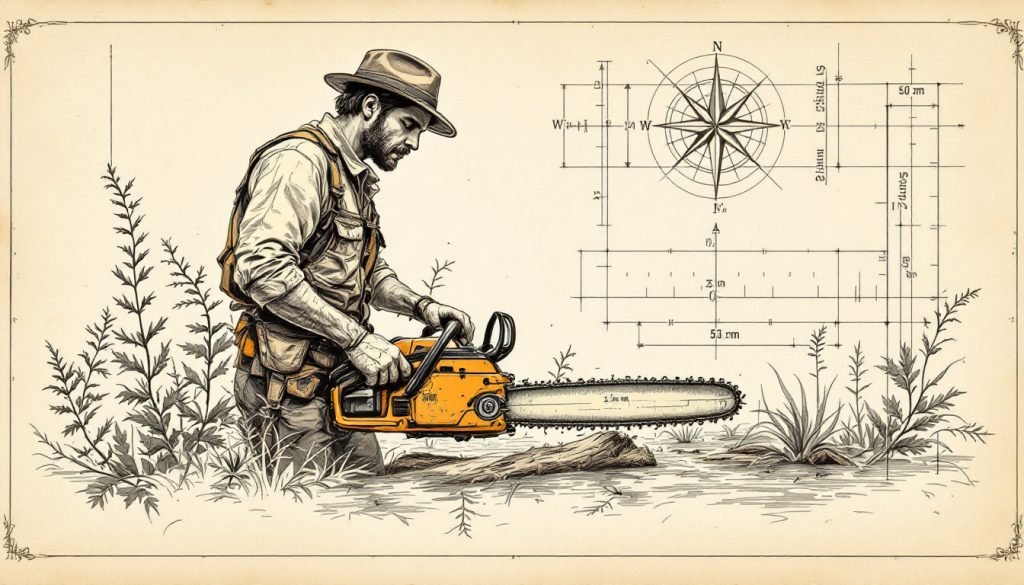
- Kickback occurs when the upper bar tip contacts objects during cutting. Modern chain brakes stop the chain within fractions of a second after activation. Never use the bar tip zone for cutting - use bottom or top bar sections instead. Low-kickback chains and proper maintenance reduce but don't eliminate risk. Above-shoulder cutting or near structures requires professional arborist services.
You’re cutting that dead limb over your garage when the chainsaw suddenly jerks upward like it has a mind of its own. In that split-second, you experience chainsaw kickback—the leading cause of chainsaw-related injuries. Every year, emergency rooms treat thousands of cuts, lacerations, and more serious injuries from this violent reaction. Understanding kickback isn’t just for professionals; it’s essential knowledge for any property owner who picks up a chainsaw.
After three decades as an ISA Board Certified Master Arborist, I’ve seen kickback injuries ranging from minor cuts to life-threatening facial wounds. The difference between a close call and a trip to the ER often comes down to understanding what causes kickback and how modern safety systems work. By the end of this guide, you’ll know exactly how kickback happens, how to recognize the situations that trigger it, and the specific techniques that prevent it.
The Physics Behind Chainsaw Kickback
Kickback occurs when the upper quadrant of the chainsaw bar nose contacts an object while the chain is moving. This contact drives the cutting force upward and backward toward the operator. The physics are brutally simple: the chain’s momentum transfers through the bar, creating rotational force that pivots the saw around your front hand grip.
The danger zone extends from the 12 o’clock to 3 o’clock position on the bar tip—what arborists call the “kickback zone.” When wood, metal, or even another branch contacts this area, the chain’s teeth bite into the obstruction. Instead of cutting through, the chain’s rotation forces the entire saw to rotate violently toward your face and upper body.
Term: Kickback zone is the upper 90 degrees of the chainsaw bar tip where contact with objects creates rotational force that throws the saw backward toward the operator.
Modern chainsaws reduce but don’t eliminate this risk. STIHL’s Quickstop® chain brake engages when activated by the operator’s hand or by inertia during kickback. The brake band wraps around the clutch drum, stopping the chain within fractions of a second. However, this system only activates after kickback begins—the best protection is preventing contact with the kickback zone entirely.
Recognizing Kickback Situations Before They Happen
Most kickback incidents are predictable if you know what to watch for. The classic scenario involves cutting with the bar tip while the saw is positioned above shoulder height. This combines two risk factors: you’re working in the kickback zone and you have reduced control over the saw’s weight.
Boring cuts—where you plunge the bar tip into wood—create particular risk. As the tip enters the wood, any twist or movement can bring the upper quadrant into contact with uncut wood fibers. The same danger exists when cutting through limbs that have internal stress. When tension releases suddenly, the wood can close on the bar tip, forcing contact with the kickback zone.
Warning Signs to Watch For
- Bar tip contact: Any situation where the upper quadrant might hit wood, metal, or debris
- Above-shoulder cutting: Reduced control and increased risk of tip contact
- Internal wood stress: Limbs under tension that might snap and bind the bar
- Hidden nails or wire: Metal objects that can catch the chain and create instant kickback
The most dangerous situations occur when multiple risk factors combine. Cutting overhead limbs while using the bar tip, working with internally stressed wood, and having limited escape routes creates a perfect storm for serious injury. Professional arborists use bucket trucks or climbing systems specifically to avoid these high-risk scenarios.
Modern Safety Features That Actually Work
Today’s chainsaws include several safety systems designed to reduce kickback injury severity. STIHL’s Quickstop® chain brake uses a brake band that wraps around the clutch drum when activated. The system engages through two mechanisms: manual activation via the front handguard and automatic activation through inertia when the saw kicks back with sufficient force.
The manual activation requires the operator to push the front handguard forward. This action should become muscle memory—any unexpected movement should trigger your left hand to push the guard forward, engaging the brake. The inertia activation works automatically when the saw experiences sudden rotational force, but it requires sufficient kickback force to trigger.
Some STIHL models include Quickstop® Plus, an additional safety feature that engages when the operator’s right hand completely releases the rear handle. This system stops the chain within one second of handle release, providing protection if you lose grip during kickback. However, this feature is not standard on all models and requires specific handling techniques to avoid accidental activation.
Pro Tip: Test your chain brake before every cutting session. With the saw idling and bar clear, activate the brake by pushing the handguard forward. The chain should stop immediately. If it coasts or takes more than a second to stop, have the brake serviced before use.
Proper Cutting Techniques That Prevent Kickback
The fundamental rule is simple: never use the kickback zone for cutting. Always position cuts so the chain contacts wood along the bottom or top of the bar, never the tip. This means planning your approach before starting the saw and maintaining awareness of bar position throughout the cut.
When cutting limbs, start with the bottom of the bar at the branch collar. Let the chain do the work—forcing the saw increases the chance of tip contact. For larger limbs, use the three-cut method: an undercut 6-12 inches from the trunk, a top cut 2-3 inches further out, then a final cut at the branch collar. This prevents bark tearing and keeps the bar tip away from binding situations.
Safe Cutting Checklist
- Position yourself to the side of the cutting line, never directly behind the saw
- Keep both hands on the saw with thumbs wrapped around the handles
- Maintain the bar at waist level or below when possible
- Use the bottom of the bar for cutting, avoiding the tip entirely
- Clear the work area of debris that could contact the bar tip
Weight distribution matters significantly. Keep your feet shoulder-width apart with your left foot slightly forward. This stance provides stability and allows you to pivot away from kickback direction. Your left elbow should stay locked against your body, creating a pivot point that directs any kickback motion away from your torso.
Equipment Selection and Maintenance for Maximum Safety
Chain type dramatically affects kickback tendency. Low-kickback chains have specially designed depth gauges and guard links that reduce the aggressiveness of the cutting teeth. While these chains cut slightly slower, they significantly reduce kickback force. Consumer-grade saws often come standard with these chains, while professional models may require deliberate selection.
Bar length plays a crucial role in control. Longer bars create more leverage, making the saw harder to control during kickback. For most property owners, a 14-16 inch bar provides adequate cutting capacity while maintaining control. Professional arborists use longer bars only when necessary and pair them with extensive training.
Tools You Will Need
- Low-kickback chain: Look for green labeled chains with guard links and reduced depth gauges
- Proper bar length: 14-16 inches for most homeowners, matched to saw power
- Chain brake test tool: Small stick or dowel for safely testing brake engagement
- File guide: Maintains proper depth gauge settings that affect kickback tendency
Sharp, properly tensioned chains reduce kickback risk. Dull chains require more force, increasing the chance of tip contact and binding. Check chain tension before each use—a properly tensioned chain should pull away from the bar but snap back when released. File depth gauges regularly; excessive height increases kickback force while too-low gauges increase cutting aggressiveness.
Professional vs DIY: When to Call an Arborist
Certain situations require professional expertise regardless of your experience level. Any cut above shoulder height, work near power lines, or removal of large limbs over structures should involve certified arborists. The risk calculation changes when injury potential combines with property damage possibility.
Professional arborists use specialized equipment that eliminates most kickback scenarios. Bucket trucks position the operator away from the cutting zone, while climbing techniques allow cuts from stable positions below the work area. Ropes and rigging systems control limb descent, removing the need for risky overhead cutting positions.
The economics favor professional work when you factor in equipment costs, insurance implications, and personal risk. A single chainsaw injury can result in medical bills far exceeding the cost of professional tree work. Additionally, improper cuts can create long-term tree health issues that cost more to address than initial professional removal.
What to Do After a Near-Miss or Incident
If you experience kickback, even without injury, stop work immediately. Check the saw for damage—kickback can bend the bar, damage the chain, or affect chain brake function. Look for signs of bar tip damage or chain stretching that could increase future kickback risk.
Document what happened. Note the cutting position, wood type, and any contributing factors like hidden metal or internal stress. This analysis prevents future incidents and helps identify whether technique or equipment changes are needed. Many near-misses reveal preventable contributing factors.
Seek training if the incident reveals knowledge gaps. Professional chainsaw safety courses provide hands-on experience with kickback prevention under controlled conditions. These courses often reveal technique issues that self-teaching misses, particularly regarding body positioning and cutting sequence planning.