Bib-and-brace vs Standard Trousers: What an Arborist Would Pick
Master the non-negotiable PPE for safe chainsaw operation. From cut-resistant chaps to helmet systems, learn what saves limbs.
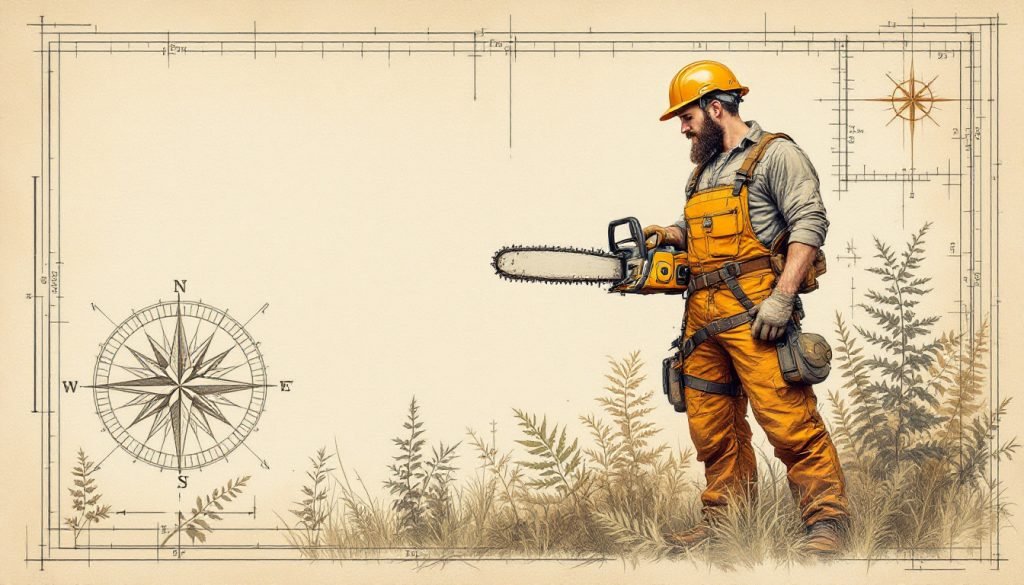
- Chainsaws cause 36,000 injuries yearly, averaging 110 stitches each. Left leg and back of left hand are most frequently injured impact zones. Professional helmet systems integrate head, face, hearing, and neck protection. Cut-resistant chaps must meet ASTM F1897 with 6-layer minimum construction. PPE inspection takes 90 seconds but prevents $12,000+ injuries - check every use.
Every year, over 36,000 chainsaw injuries send operators to American emergency rooms, each averaging 110 stitches and $12,000 in medical costs. When you’re holding a spinning chain moving at 60 mph, there is zero margin for shortcuts. This article delivers the exact personal protective equipment standards used by certified arborists, including the specific gear configurations that have prevented countless amputations and fatalities.
As Michael J. Hartman, ISA Board Certified Master Arborist, I’ve investigated dozens of chainsaw accidents where proper PPE would have eliminated or drastically reduced injuries. The difference between a close call and life-altering trauma often comes down to wearing the right gear in the correct configuration. By the end of this guide, you’ll know exactly what to wear, why each piece matters, and how to inspect equipment before every use.
The Biological Reality: Where Chainsaws Hit First
Chainsaw injuries follow predictable patterns based on body mechanics and kickback physics. The left leg, specifically the upper thigh, takes 42% of all contact injuries because that’s where the bar drops when operators lose control. The back of the left hand suffers 28% of injuries from rotational kickback where the saw pivots backward and upward.
Head and neck injuries occur from two sources: falling debris during cutting operations and the saw itself during kickback events. The upper torso gets hit during bar pinching situations when the saw suddenly breaks free. Understanding these impact zones directly drives PPE selection because protection must match the most probable failure modes.
Rotational Kickback: The sudden upward and backward pivot of the chainsaw bar when the upper quadrant of the bar nose contacts wood or metal, causing the saw to rotate violently around the rear handle.
The physics are brutal: a 16-inch bar traveling at full throttle generates 11.5 horsepower worth of momentum. When kickback occurs, that energy transfers directly into the operator’s body unless proper protective systems absorb and distribute the impact.
Head Protection Systems: Your First Line of Defense
Modern arborist helmets aren’t just hard hats with add-ons. Professional-grade helmet systems integrate four critical functions into one cohesive unit: impact protection, face shield, hearing protection, and chin strap security. The shell must meet ANSI Z89.1 Type II standards, designed for both top and lateral impacts.
Face shields require specific thickness: 1.5mm polycarbonate minimum for chainsaw use, treated with anti-fog and anti-scratch coatings. The shield must extend 4 inches below the chin to deflect wood chips traveling at 200 mph from the chain’s discharge. Side coverage wraps 90 degrees around each eye to protect from angular debris.
Hearing protection built into helmet systems reduces chainsaw noise from 110-115 dB to below 85 dB OSHA limits. Look for NRR (Noise Reduction Rating) of 25 or higher. The earmuff seals must be replaceable – they harden and lose effectiveness after 6-8 months of regular use.
Helmet System Components
- Shell: ABS or polycarbonate, ANSI Z89.1 Type II rated, 6-point suspension
- Face Shield: 1.5mm polycarbonate, UV-resistant, replaceable
- Hearing Protection: NRR 25+ rating, replaceable ear cushions
- Chin Strap: Breakaway design, adjustable for secure fit
Cut-Resistant Chaps: The Leg Protection Standard
Cut-resistant chaps use multiple layers of ballistic fibers (typically Kevlar or Dyneema) designed to jam the chain upon contact. ASTM F1897 requires six layers minimum, with the outermost layer rated to stop a chain moving at 2,750 feet per minute. The protection extends from the waist to the top of the work boot.
Proper fit is critical: chaps must overlap the boot by 2-3 inches when standing straight. Too short leaves the ankle exposed; too long creates tripping hazards. The waist belt should ride at the natural waistline, not hips, to maintain coverage when bending. Side adjustment straps prevent the chaps from twisting during movement.
Inspection protocol: Check for cuts, burns, or oil contamination monthly. Any visible damage to the outer layer requires immediate replacement – the protective fibers beneath may be compromised. Chaps lose effectiveness after 5 years regardless of visible condition due to fiber degradation from UV exposure.
Pro Tip: Test new chaps by lightly touching a running chain to a scrap piece of wood pressed against the chaps. The chain should stop immediately without penetrating. Ifor chaps won’t pass this test and provide false security.
Hand and Foot Protection: Preventing Amputations
Chainsaw gloves require cut-resistant lining on the back of the left hand and wrist – the primary impact zone during kickback. The palm maintains dexterity with leather or synthetic grip materials. ASTM F2992 rates gloves by cut resistance; chainsaw gloves need ANSI cut level A4 minimum.
Left-hand glove protection extends 2 inches up the wrist to prevent the saw from sliding past the cuff. The right glove emphasizes grip and vibration dampening. Both gloves require impact padding on knuckles and fingers to protect from falling debris.
Boot requirements include steel shanks for puncture resistance when stepping on sharp debris, steel toes meeting ASTM F2413, and aggressive lug patterns for traction on wet bark. Chainsaw-specific boots add cut-resistant lining around the lower 8 inches of the boot shaft, similar to chap material.
Eye, Ear, and Face Protection Integration
Eye protection goes beyond the helmet’s face shield. Safety glasses with side shields must be worn underneath as backup protection. Look for ANSI Z87.1+ rating with anti-fog coating. The glasses should seal against the face to prevent dust infiltration during bucking operations.
Hearing protection requires both earmuffs and earplugs for operations over 2 hours. Triple-flange silicone earplugs provide 33 dB reduction when worn under helmet earmuffs. Replace earplugs every 2-3 months as the silicone degrades and loses flexibility.
Facial protection during cleanup includes N95 or P100 respirators for chainsaw dust, which contains lignin compounds linked to respiratory issues. The respirator must fit under the helmet system without breaking the seal. Exhalation valves prevent fogging of safety glasses.
Equipment Inspection and Maintenance Protocols
Pre-use inspection of PPE takes 90 seconds but prevents catastrophic failures. Start with the helmet: check shell for cracks, suspension for fraying, and face shield for scratches that impair vision. Test earmuff compression by pressing cups together – they should spring back firmly.
Chap inspection involves running hands along all surfaces feeling for cuts, burns, or hard spots indicating oil contamination. Flex the material – stiff areas suggest UV damage compromising protection. Check all buckles and straps for proper function and adjustment.
Glove inspection focuses on cut-resistant areas: look for pulled or cut fibers, especially on the back of the left glove. Test grip surfaces for oil saturation that reduces hold on the saw. Boot inspection includes sole wear patterns, cut-resistant lining integrity, and lace condition.
Daily PPE Pre-Use Checklist
- Helmet shell: no cracks, suspension intact, chin strap secure
- Face shield: clear vision, smooth pivot, anti-fog coating intact
- Chaps: no cuts or burns, proper overlap over boots
- Gloves: cut-resistant areas intact, grip surfaces clean
- Boots: soles intact, cut protection undamaged, laces secure
- Hearing protection: proper seal, earmuff compression adequate
When Professional Standards Matter Most
Homeowners tackling weekend cutting projects often skip full PPE, but the injury statistics don’t differentiate between professionals and amateurs. In fact, 62% of chainsaw injuries occur during non-commercial use, precisely because safety standards drop when no supervisor enforces them.
Professional arborists never compromise PPE because they understand risk accumulates over time. Cutting 200 trees per year versus 2 trees in a lifetime multiplies exposure exponentially. This is why pros replace chaps every 2-3 years while homeowners may use them for a decade, unknowingly walking around in compromised protection.
The critical decision point comes when evaluating your own usage patterns. If you’re cutting anything larger than 6 inches in diameter, operating above shoulder height, or cutting anything under tension, full professional PPE isn’t optional – it’s mandatory for preventing the injuries that change lives forever.
What to Do Next: Your Action Plan
Start with a complete PPE audit of your current gear. Any piece over 5 years old, showing visible damage, or missing certification labels needs immediate replacement. Budget $400-600 for complete professional-grade PPE – far less than the average $12,000 medical cost of a chainsaw injury.
Establish a replacement schedule: helmet system every 5 years, bib brace trousers every 3 years, gloves every 6 months with heavy use. Create a pre-use checklist and physically check off items before starting the saw, every single time. Treat PPE inspection like pilots treat pre-flight checks – non-negotiable routine.
Finally, practice putting on and adjusting all PPE before you need it. The 30 seconds spent ensuring proper fit and function prevents the rushed, improper use that causes most injuries. Your chainsaw skills develop over time, but proper PPE use must be perfect from day one. There are no do-overs when steel meets flesh.
For additional guidance on selecting the right protective equipment, refer to chainsaw safety standards that outline comprehensive PPE requirements for different cutting scenarios.