A Field Guide to Urban and Peri Urban Forestry
Master the science and practice of managing trees in built environments for healthier communities.
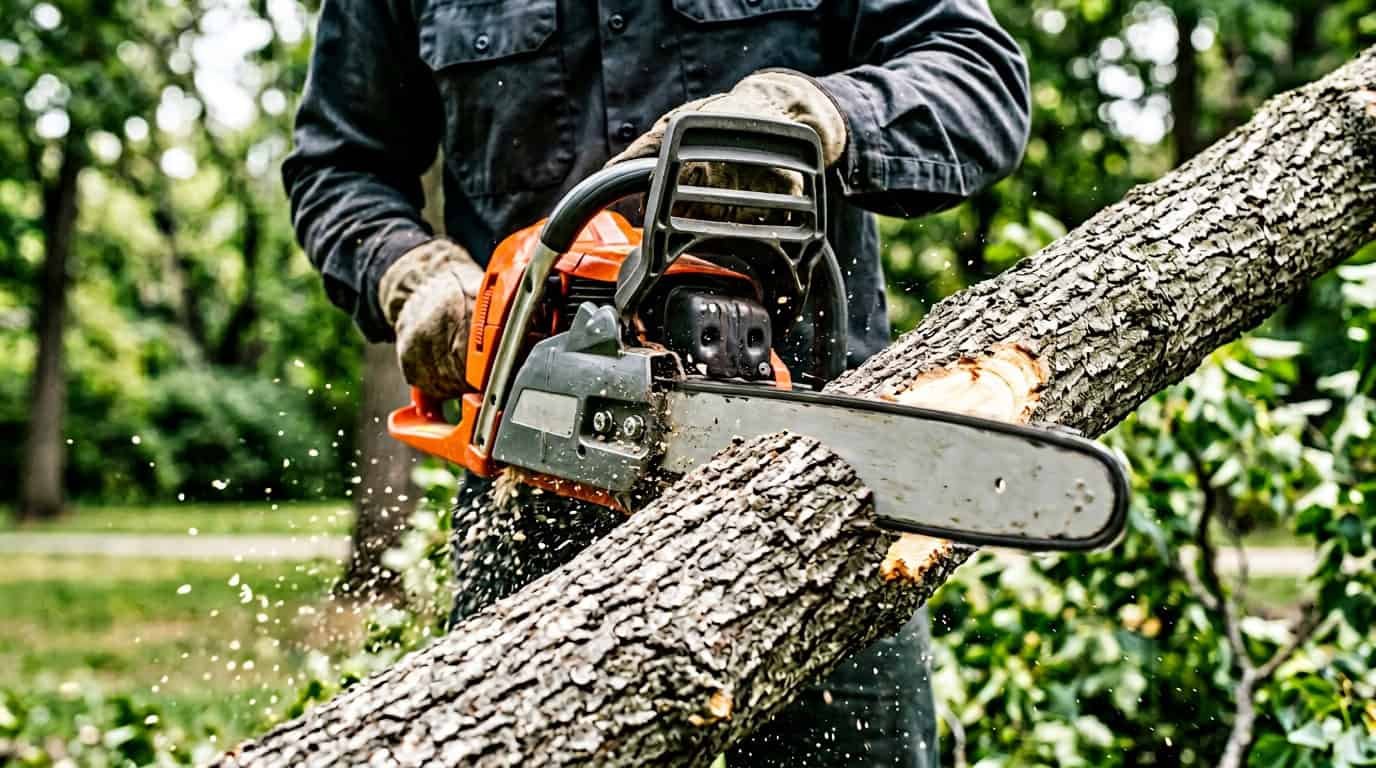
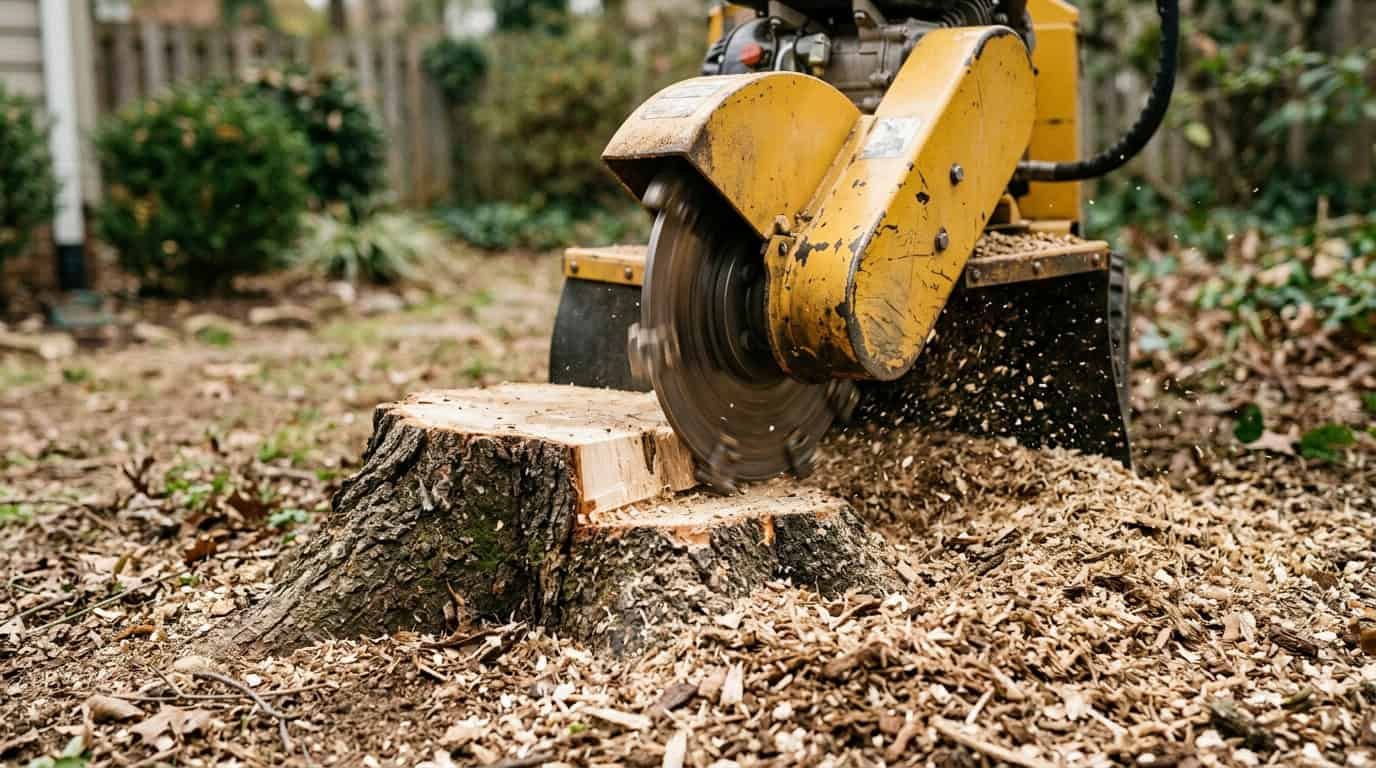
Urban forestry is the management of trees and forests in and around human settlements, encompassing street trees, park canopy, private property trees, and peri-urban woodlands. Urban trees provide measurable economic and environmental benefits — reducing energy costs, managing stormwater, improving air quality, and increasing property values — but they also present unique management challenges arising from soil compaction, infrastructure conflicts, restricted rooting space, and pest pressure. This collection covers urban forest management principles, municipal tree policy, species selection for urban environments, and the science behind urban heat island mitigation through strategic canopy management.
Reference Notes
All our guides are written to help property owners and professionals make better tree care decisions.