Understanding Avoiding Tree Boundary Disputes
Learn legal rights and practical solutions when tree roots cross property lines and damage neighbor's driveways, paving, or foundations.
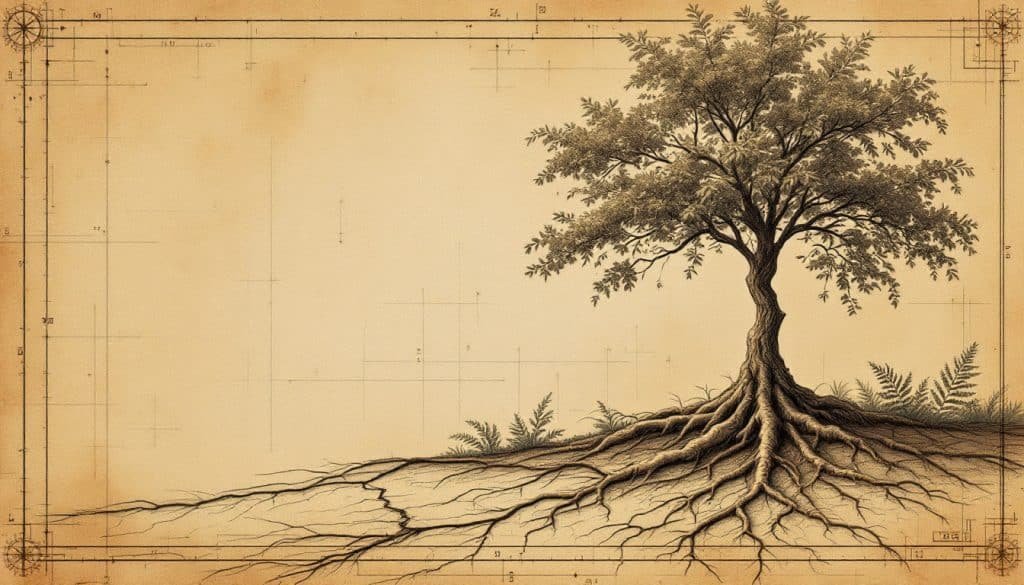
- Tree roots can extend 2-3x canopy width and lift concrete with 150 PSI pressure. Property owners can legally trim encroaching roots back to property lines. Root pruning closer than 3-5x trunk diameter risks tree stability. Professional assessment costs $300-800 but prevents costly mistakes. Document all damage and remediation attempts for insurance and legal protection.
You walk outside one morning to find your neighbor standing at the property line, pointing at cracks spidering across their driveway. Their tone makes it clear—they believe your oak’s roots are the culprit. This scenario plays out thousands of times each year across neighborhoods, leaving homeowners caught between neighborly relationships and potential legal liability.
As an ISA Board Certified Master Arborist who’s mediated dozens of these disputes, I’ve learned that the intersection of tree biology and property law creates unique challenges. By the end of this guide, you’ll understand exactly what rights you and your neighbor have, when you’re liable for root damage, and the range of solutions from simple root pruning to complete tree removal.
The Biology of Root Spread and Infrastructure Damage
Tree roots don’t grow randomly—they follow the path of least resistance toward water, oxygen, and nutrients. A mature oak’s feeder roots typically extend 2-3 times the canopy width, with 85% of the root mass concentrated in the top 18 inches of soil. This shallow spread explains why roots so frequently encounter driveways, sidewalks, and foundations.
When roots encounter solid barriers like concrete, they don’t simply stop growing. Instead, they exploit existing cracks and expansion joints, gradually widening them as the roots increase in diameter. A root just 1 inch in diameter can exert over 150 PSI of pressure—more than enough to lift and crack concrete over time. The damage accelerates when roots grow beneath the driveway, as the concrete restricts their natural expansion and creates upward pressure.
Root heaving: The upward displacement of concrete or asphalt caused by expanding tree roots growing beneath the surface, resulting in visible cracking and uneven surfaces.
However, not all driveway damage stems from tree roots. Settlement from poor soil compaction, freeze-thaw cycles, and subgrade erosion create similar cracking patterns. A proper diagnosis requires examining the crack pattern—root damage typically creates linear cracks following the root’s path, while settlement creates spider web or random cracking.
Legal Rights and Responsibilities by State
Property law regarding tree roots varies significantly by jurisdiction, but most states follow the “Massachusetts Rule” or variations thereof. Under this framework, a property owner has the right to trim encroaching roots back to the property line, but cannot enter the neighbor’s property or demand tree removal without consent.
In Texas, where I practice, property owners bear liability only if they knew or should have known the tree posed an unreasonable risk. This “reasonable care” standard requires demonstrating that visible signs of root damage existed and the tree owner failed to address them. California takes a different approach with the “Sprecher v. Adamson” precedent, which allows recovery for root damage regardless of negligence if the damage is substantial.
Boundary trees present additional complications. When a tree trunk straddles the property line, both owners share ownership and neither can remove the tree without the other’s consent. This joint ownership extends to root systems, meaning major root pruning affecting the tree’s health requires mutual agreement.
Pro Tip: Document everything with photos showing the crack progression over time. Most insurance claims and legal disputes hinge on establishing when the damage became apparent versus when the tree owner took action.
Diagnosing Root Damage Accurately
Before assuming your tree caused the damage, conduct a thorough investigation. Start by examining the crack pattern—root-related damage typically shows cracks radiating from a central point, often with visible root material at the surface. Measure the distance from your tree’s trunk to the damage; roots rarely cause significant damage more than 1.5 times the canopy radius away.
Expose a small section of root using a soil probe or careful excavation. Healthy tree roots appear light-colored and firm, while old, dead roots that might have caused historical damage turn dark and brittle. If the exposed roots are smaller than ½ inch in diameter, they’re unlikely to cause significant lifting. Look for roots growing parallel to the driveway surface rather than perpendicular—they exert far more lifting pressure.
Warning Signs of Active Root Damage
- Recent crack widening: Cracks that have visibly expanded within 1-2 years indicate active root growth
- Root exposure at cracks: Visible root material protruding from cracks confirms biological involvement
- Consistent directional pattern: Cracks radiating outward from tree direction suggest root pressure
- Sidewalk elevation differences: Adjacent sidewalk sections showing >½ inch height variation
Consider hiring a consulting arborist for root mapping using ground-penetrating radar or air excavation. These techniques can accurately locate roots without extensive digging and provide evidence for insurance or legal purposes. Expect to pay $300-800 for professional root assessment, significantly less than driveway replacement costs.
Root Pruning Techniques and Limitations
When root pruning becomes necessary, understanding proper techniques prevents tree damage and legal liability. Never cut roots closer than 3-5 times the trunk diameter from the tree’s base. For a 20-inch diameter oak, maintain at least 60-100 inches from the trunk when cutting major roots.
Use sharp, clean tools—lopping shears for roots under 1 inch, reciprocating saws with pruning blades for larger roots. Make clean cuts at 45-degree angles to promote healing. Avoid leaving jagged edges that invite decay. After cutting, apply a thin layer of pruning sealant only to cuts larger than 2 inches in diameter.
Root pruning timing matters significantly. Early spring, just before bud break, offers the best recovery window. Avoid pruning during drought stress or late fall when trees prepare for dormancy. Never remove more than 25% of a tree’s root system in a single year—spread major pruning across 2-3 seasons to maintain tree stability.
Essential Root Pruning Equipment
- Sharp spade: Mark cutting lines and sever smaller feeder roots cleanly
- Reciprocating saw: Handle roots 1-4 inches with carbide pruning blades
- Root saw: Manual option for precise control near sensitive areas
- Hand pruners: Clean up small feeder roots and make final shaping cuts
Barrier Installation and Prevention Strategies
Installing root barriers offers long-term protection for both the tree and infrastructure. Commercial root barriers use high-density polyethylene (HDPE) panels 40-80 mil thick, installed vertically to a depth of 30-36 inches. The barrier redirects roots downward and away from vulnerable structures.
Proper installation requires digging a narrow trench 4-6 inches wide along the property line or driveway edge. Place the barrier with the textured side facing the tree—this encourages roots to grow along the barrier rather than penetrating it. Overlap panels by 6 inches and seal joints with manufacturer-approved tape or sealant.
For existing trees, consider chemical barriers using copper sulfate crystals or commercial root growth inhibitors. These create toxic zones that repel roots without mechanical damage. However, chemical barriers require reapplication every 2-3 years and may affect soil chemistry for adjacent plantings.
Physical barriers work best when installed during driveway replacement or major repairs. Coordinate with concrete contractors to place barriers before pouring new concrete. The upfront cost of $15-25 per linear foot pays dividends in preventing future damage.
When Tree Removal Becomes Necessary
Sometimes root pruning and barriers aren’t sufficient, particularly when dealing with invasive species or trees planted too close to structures. Large trees within 10 feet of driveways often require removal when root pruning would compromise more than 35% of the root system.
Tree removal costs vary dramatically by location and tree size. Expect $800-2,000 for trees under 30 feet tall, $1,500-3,500 for 30-60 foot trees, and $3,000-8,000+ for large specimens over 60 feet. These estimates include removal but typically exclude stump grinding, which adds $100-400.
Legal considerations become paramount when neighbors demand removal. Most jurisdictions require demonstrating that the tree poses an unreasonable risk and that less invasive solutions won’t suffice. Document all remediation attempts before pursuing removal—courts favor property owners who make good-faith efforts to solve problems without destroying trees.
Best Timing for Tree Removal
Optimal removal window: Late fall through early spring when trees are dormant. Winter removal reduces impact on surrounding landscaping and provides clearer access for equipment. Avoid removal during bird nesting season (March-August) when local wildlife regulations may apply.
After removal, address the remaining root system. Major roots will decay over 3-7 years, potentially creating voids that cause future settling. Fill large root channels with flowable fill or compacted soil to prevent future driveway issues.
Neighbor Negotiation and Mediation Strategies
Most root damage disputes resolve through negotiation rather than legal action. Approach conversations with concrete data—photos, arborist reports, and repair estimates. Present solutions, not just problems. Offer to share costs for root barriers or partial tree removal if you value the tree’s shade and aesthetic benefits.
Consider professional mediation through community dispute resolution centers. These services typically cost $50-200 per party and provide neutral facilitators trained in property disputes. Mediation preserves neighbor relationships while creating legally binding agreements.
Document all agreements in writing, including specific actions, timelines, and cost-sharing arrangements. Simple written agreements prevent future disputes and satisfy most insurance company requirements. Specify who maintains root barriers, schedules follow-up assessments, and handles any new damage claims.
Insurance Coverage and Documentation
Homeowner’s insurance coverage for root damage varies significantly. Most policies exclude “gradual damage” but cover “sudden and accidental” events. This distinction becomes critical—slow root heaving over years may not qualify, while storm-related root upheaval might.
Contact both insurance companies immediately upon discovering damage. Provide detailed photos, professional assessments, and repair estimates. Many insurers require mitigation attempts before approving full coverage. Keep records of all communications and follow up in writing.
Consider umbrella liability policies if you own large, mature trees near property lines. These policies provide additional coverage beyond standard homeowner’s limits, protecting against expensive neighbor claims. Annual premiums of $200-400 can prevent catastrophic out-of-pocket costs.
What to Do Right Now
Start today by photographing the entire area, including the tree, property line, and any visible damage. These baseline photos establish the timeline for future claims. Contact a certified arborist for professional assessment if damage appears recent or significant.
Schedule a friendly conversation with your neighbor within the next week. Bring documentation but lead with concern for their property and a willingness to find solutions. Propose sharing costs for professional assessment if the situation remains unclear.
If discussions stall, research your local tree ordinances and property line regulations. Many cities have specific requirements for root barriers and tree removal permits. Understanding local requirements provides leverage for productive negotiations and ensures compliance with municipal codes.
Remember that addressing root issues promptly protects both your tree and your neighbor relationship. Proactive solutions cost far less than reactive legal battles, and mature trees provide property value benefits that often justify shared investment in proper management solutions.
When planning new plantings, always consider root and canopy spread to prevent future conflicts. Understanding tree planting near property lines helps establish appropriate setbacks from the start.