Understanding Safe Particle Board Disposal
Exposed tree roots aren't just ugly—they're symptoms of soil compaction, oxygen deprivation, and structural stress that require immediate arborist attention.
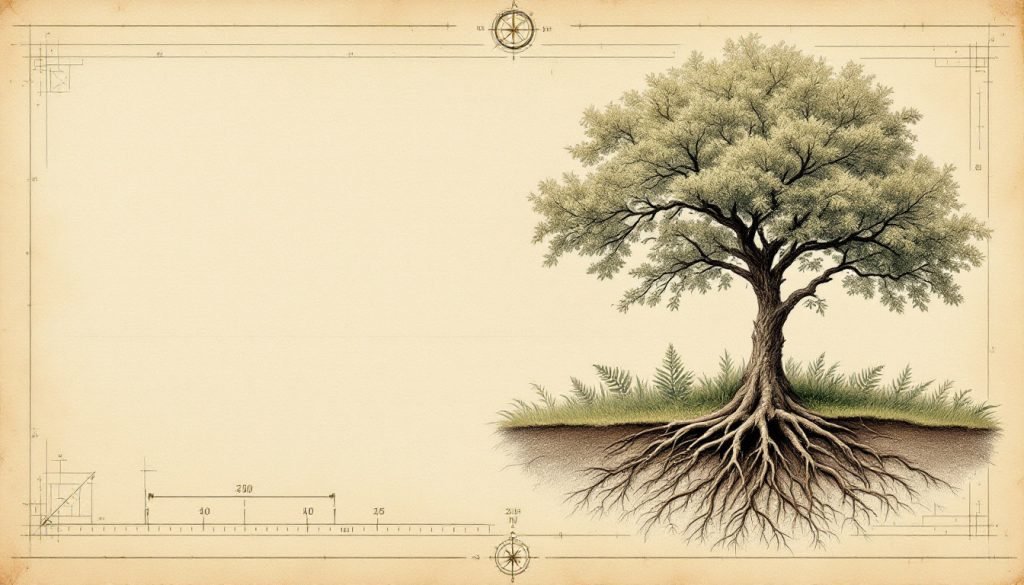
- Surface roots signal oxygen deprivation from soil compaction. Compaction thresholds exceed 7-10 mower passes or single construction event. Critical root zone equals 36x trunk diameter from tree base. Mulch exposed roots immediately; never add soil on top. Professional soil rehabilitation can add 15-20 years to tree lifespan.
You’re walking across your lawn and suddenly trip over what looks like a thick rope snaking across the grass. That wasn’t there last year. Or maybe you’ve noticed the maple near your driveway has roots pushing up through the asphalt like geological faults. These exposed roots aren’t just cosmetic nuisances—they’re your tree’s emergency broadcast system, signaling that something fundamental has gone wrong underground.
As an ISA Board Certified Master Arborist who’s assessed thousands of properties across Texas, I’ve seen this pattern repeat from suburban Austin backyards to commercial developments in Dallas. Surface roots indicate your tree is struggling against compacted soil, insufficient oxygen, or inappropriate planting conditions. By the end of this article, you’ll understand exactly why roots surface, what your specific tree is trying to tell you, and the critical steps needed to prevent long-term structural failure.
Crown-to-Root Ratio: The balanced proportion between a tree’s above-ground canopy (crown) and its below-ground root system. When this ratio is disrupted—typically by soil compaction or restricted growing space—roots compensate by growing upward toward oxygen and moisture.
The Hidden Crisis Below Ground
Tree roots don’t randomly decide to grow upward. This is a survival response triggered by specific underground conditions. When soil becomes compacted—whether from construction equipment, heavy foot traffic, or poor drainage—oxygen levels plummet in the deeper soil layers. Roots need oxygen for respiration, just like leaves need carbon dioxide for photosynthesis.
In healthy soil, 50% of the volume should be pore space containing air and water. Compacted soils often drop below 20% pore space, essentially suffocating deep roots. The tree responds by sending feeder roots toward the surface where oxygen is available. These surface roots aren’t just seeking oxygen—they’re also pursuing moisture that can’t penetrate the compacted layers below.
The depth at which this oxygen deprivation occurs varies by soil type, but typically begins just 6-12 inches below grade. Clay soils compact more severely than sandy soils, which explains why surface rooting is more common in areas with heavy clay. Once this process begins, it accelerates as the surface roots themselves create additional compaction through their own weight and traffic patterns.
Species-Specific Rooting Patterns
Not all trees surface roots equally. Some species are genetically predisposed to shallow, wide-spreading root systems regardless of soil conditions. Silver maples, willows, and American elms naturally develop surface roots even in ideal conditions—these are your “problem children” that will always need extra space and monitoring.
Conversely, oaks, hickories, and most pines typically develop deeper taproot systems when given appropriate growing conditions. However, even these deep-rooted species will surface their roots when soil conditions deteriorate. The difference is that surface rooting in deep-rooted species indicates severe soil problems rather than natural growth habit.
The critical radius for root development equals approximately 1-1.5 feet for every inch of trunk diameter. A 24-inch diameter oak should have unobstructed root space extending at least 24-36 feet from the trunk. When this space is compromised by driveways, foundations, or heavy foot traffic, surface rooting becomes inevitable as the tree attempts to maintain its structural support within a shrinking footprint.
Pro Tip: Measure your tree trunk at 4.5 feet above ground (diameter at breast height). Multiply this number by 36 to determine the minimum root protection zone in feet. Any disturbance within this radius dramatically increases surface rooting risk.
Soil Compaction: The Primary Culprit
Soil compaction occurs when external pressure collapses the pore spaces between soil particles. This pressure can come from construction equipment weighing 20,000+ pounds, repeated foot traffic from children or pets, or even parked vehicles on seemingly “temporary” surfaces like grass or gravel.
The threshold for root-damaging compaction is surprisingly low—just 7-10 passes of a standard lawn mower can reduce pore space by 15-20%. Construction equipment causes far more severe damage, often compacting soil to 90-95% of its maximum density, essentially creating an impenetrable barrier for root growth.
Once compacted, soil recovery is extremely slow without mechanical intervention. Natural freeze-thaw cycles might improve compaction by 2-3% annually, meaning severely compacted soil could take 30-50 years to naturally recover. This timeline far exceeds what most trees can tolerate before structural problems develop.
Identifying Root Distress Signals
Surface roots are just the most visible symptom of a broader root system in distress. Other warning signs include smaller-than-normal leaves, premature fall color, dieback in the upper crown, and increased susceptibility to drought stress. These symptoms typically appear 2-3 years before surface roots become obvious.
The pattern of surface rooting provides diagnostic information. Roots appearing in a circular pattern around the trunk often indicate planting too deep—the tree is literally growing new roots at the correct depth. Linear surface roots following sidewalks or driveways show the tree is compensating for restricted growing space. Random surface roots throughout the lawn suggest widespread soil compaction rather than localized obstruction.
Healthy roots should be light-colored and firm, while stressed roots often appear dark, mushy, or have a sour smell indicating anaerobic conditions. If you gently excavate around surface roots (never remove more than 25% of soil volume), healthy roots will have visible root hairs and feel firm to the touch.
Warning Signs to Watch For
- Crown dieback: Dead branches starting at the top indicate root system failure
- Early fall color: Premature autumn colors signal root stress and reduced water uptake
- Reduced leaf size: New leaves noticeably smaller than mature leaves from previous years
- Fungal fruiting bodies: Mushrooms growing from surface roots indicate decay and structural weakness
Immediate vs. Long-term Solutions
Addressing surface roots requires different approaches based on urgency and tree health. Immediate triage focuses on preventing further compaction and root damage. Long-term solutions address underlying soil conditions and provide appropriate growing space.
Immediately eliminate all traffic within the root protection zone. Install temporary fencing if necessary to prevent foot traffic. Add 2-4 inches of mulch over exposed roots to prevent lawnmower damage—never add soil on top of exposed roots as this simply repeats the compaction cycle. Create defined walkways using raised boardwalks or stepping stones to redirect traffic away from critical root zones.
Long-term solutions require soil rehabilitation through vertical mulching or radial trenching. These techniques involve drilling or trenching holes throughout the root zone and backfilling with loose, fertile soil. This creates “columns” of improved soil that allow root penetration into deeper layers. The process typically requires professional equipment but can add 15-20 years to a tree’s lifespan when performed correctly.
Root Protection Action Plan
- Measure trunk diameter at 4.5 feet height
- Stake out critical root zone (36x trunk diameter)
- Install temporary fencing around protection zone
- Add 2-4 inches mulch over exposed roots
- Redirect all foot and vehicle traffic
- Schedule soil testing for compaction level
- Consult certified arborist for rehabilitation plan
Prevention Through Proper Design
The most cost-effective solution for surface roots is prevention through appropriate design and species selection. This starts with matching tree species to available growing space and soil conditions. Fast-growing species like silver maple should never be planted within 50 feet of structures or paved surfaces—choose slower-growing, deeper-rooted species like oaks or ginkgo instead.
Soil preparation at planting time determines root development for decades. The planting hole should be 2-3 times wider than the root ball but no deeper. This wide, shallow preparation encourages horizontal root development in the oxygen-rich surface layers while preventing “bathtub” effects that drown deep roots during heavy rains.
Consider soil volume requirements before planting. Street trees need a minimum of 300 cubic feet of quality soil per tree, while landscape trees need 1,000+ cubic feet. These volumes can be achieved through connected tree lawns, structural soil under pavement, or suspended pavement systems that provide rooting space while supporting surface loads.
What to Do Next
If you’re already dealing with surface roots, don’t panic—but don’t delay. Start by photographing the current root exposure to establish a baseline for monitoring progression. Measure your tree’s trunk diameter and calculate the critical root protection zone. Install temporary protection barriers while you develop a long-term action plan.
Contact a certified arborist for a comprehensive root zone assessment. This typically involves soil compaction testing, root collar excavation, and evaluation of structural risks. Most consultations take 1-2 hours and cost $200-400—a small investment compared to the $3,000-8,000 cost of mature tree removal and replacement.
Remember that surface roots are your tree’s distress call, not just an aesthetic problem. The solutions you implement in the next 6-12 months will determine whether your tree becomes a 100-year legacy or a 5-year liability. The science is clear, the techniques are proven—now it’s time to act on what your tree is telling you.
For those dealing with particle board disposal challenges, it’s important to understand that burning engineered wood poses significant air quality risks. Many homeowners don’t realize that particle board bad burn practices can release toxic chemicals. Always check local disposal restrictions before attempting any disposal method.