Melamine vs Particle Moisture: The Real Differences
Vertical frost cracks, sunscald, and bark splitting signal stress. Learn why it happens and what to do.
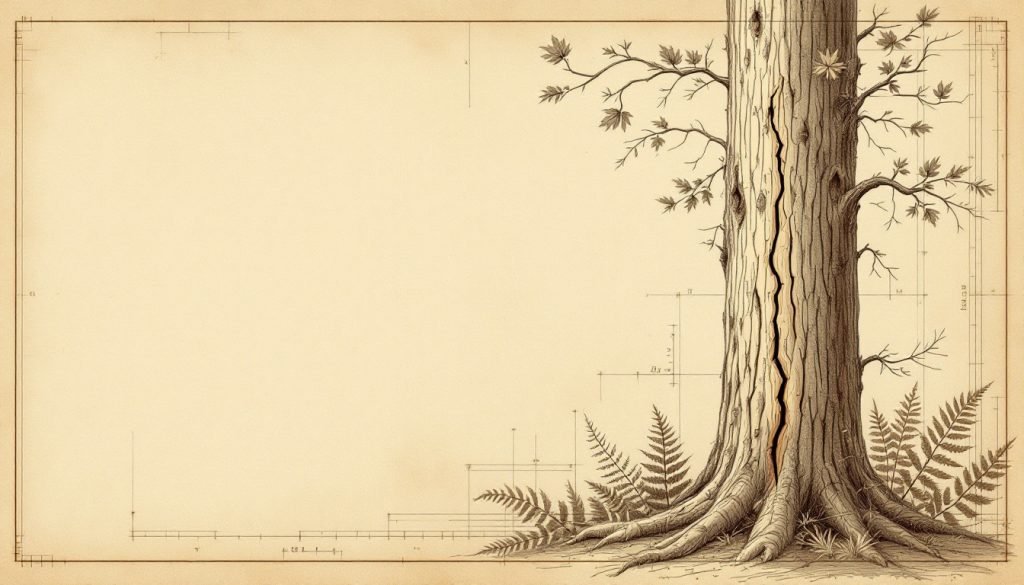
- Bark cracks form when cambium outstrips bark growth from temperature swings or rapid irrigation. Southwest-facing cracks in thin-barked species signal sunscald and need immediate white wrap protection. Measure splits yearly; widening over ¼ inch per year means structural failure, not cosmetic damage. Clean jagged edges, never seal with paint, and correct watering to let callus seal the wound. Call an arborist if the crack circles >30 % of trunk or shows fungal conks indicating internal decay.
You walked outside yesterday and noticed a long, vertical crack running straight down the trunk of your sugar maple. It wasn’t there last week, or maybe you just hadn’t looked closely until now. Either way, the split looks raw, and you’re wondering if the tree is dying or if this is normal winter weather.
As an ISA Board Certified Master Arborist who has inspected thousands of trees across Texas, I can tell you that bark cracks are common but never meaningless. By the end of this article you will know why bark splits, which types of cracks are dangerous, and the exact steps you can take—today—to protect both the tree and your property.
What Bark Actually Does and Why It Fails
Bark is not a single layer; it is a living system of phloem, cambium, and protective cork layers that transport sugars, regulate temperature, and keep pathogens out. When that system is stretched faster than it can grow, it tears. The tear may be microscopic at first, but daily temperature swings, wind flex, and internal water pressure expand it into the visible crack you now see.
Term: Frost crack is a vertical split caused by rapid temperature drop, usually on the southwest side of thin-barked species in late fall or early spring.
Bark’s tensile strength varies by species and age. Young beech and maple have bark only 1–2 mm thick, while mature live oaks can carry 10–15 mm of rigid rhytidome. In thin-barked trees, the cambium can literally freeze, fracturing like ice on a pond. In thick-barked species the same stress may only cause superficial flaking. Age matters too; older bark is less elastic and more prone to board edge damage as the trunk expands in girth.
Common Causes of Bark Cracking in Residential Trees
Sunscald is the number one trigger I see in Texas subdivisions. Bright winter sun heats the southwest side of the trunk to 70 °F (21 °C) at noon; when the sun drops behind the house at 3 p.m., bark temperature can plummet 35 °F in minutes. The sudden contraction splits the cambium like a cold glass in hot water.
Frost cracks amplify this effect. On clear, windless nights, radiant heat loss chills the bark faster than the inner wood. The differential causes the outer cylinder to pop open with a sound that homeowners sometimes describe as a rifle shot.
Rapid growth from heavy irrigation and nitrogen fertilization stretches bark quicker than lignin can deposit. I have measured 18-inch circumference gains in just one season on over-watered red maples, leaving longitudinal fissures that never fully close.
Mechanical injuries—string trimmers, lawn mower bumpers, car doors—remove bark locally. The wound edges contract, creating a stress riser that can propagate into a long crack. Finally, freeze-thaw cycles in bark pockets created by pruning wounds act like wedges, driving the split deeper each winter.
Warning Signs to Watch For
- Fresh inner wood: Cream-colored sapwood visible through the crack indicates recent tearing.
- Black margins: Dark, water-soaked edges suggest bacterial wetwood or canker infection.
- Callus rolls: Raised ridges on either side of the split mean the tree is trying—and failing—to seal the wound.
How to Inspect a Bark Crack Like an Arborist
Start at the base and trace the crack upward with your gloved hand. Measure its length with a tape measure; anything over 12 inches on a mature tree warrants attention. Note the orientation: southwest-facing cracks scream sunscald, while spiraling cracks often indicate torsional wind stress or previous trunk injury.
Press lightly on the bark flaps. If they flex, the cambium beneath is dead and the crack will widen. Firm, living bark will resist pressure and may already have formed a callus. Smell the exposed wood—sweet, fermented odors point to bacterial wetwood; fresh, woody scents suggest the damage is recent and still clean.
Finally, inspect the root flare for girdling roots. A root compressing the trunk can create internal pressure that pops the bark above it. If you find a root crossing vertically over the flare, mark it for possible removal by a certified arborist.
Pro Tip: Photograph the crack with a ruler in frame every spring and fall. A widening gap of more than ¼ inch (6 mm) per year signals structural failure, not cosmetic splitting.
Immediate First-Aid for Fresh Bark Cracks
Clean the wound by trimming loose shards with a sharp grafting knife. Cut back to solid bark edges, leaving no jagged flaps that can trap water. Do not apply tar, paint, or sealant; research from the U.S. Forest Service shows these slow callus formation by 30–40 %.
Install a white plastic tree wrap from the ground to the first branch on the southwest side. This reflects sunlight and reduces temperature swings by up to 20 °F. Remove the wrap each spring to prevent moisture build-up and rewrap in late fall for the first two winters.
Stake the trunk only if the crack opens more than ½ inch (12 mm) under wind load. Use wide, soft tree straps and keep tension minimal—just enough to prevent further splitting. Leave stakes in place no longer than one growing season to avoid girdling.
Long-Term Remedies and Prevention Strategies
Correct irrigation is key. Deliver water slowly and deeply once a week during drought rather than frequent, shallow sprinkling. The goal is moist soil 12–18 inches down, not soggy surface conditions that encourage rapid, weak growth. Use a soil moisture meter at 8 and 16 inches; both readings should be just below field capacity.
Mulch a donut ring 3–4 inches deep, starting 4 inches from the trunk and extending to the dripline. This buffers soil temperature and prevents mower injury. Replace dyed mulch annually; as it breaks down it supplies a steady, low-dose source of organic nitrogen that thickens bark gradually.
Selective pruning reduces wind sail and weight on cracked trunks. Remove no more than 15 % of live foliage in one year; over-thinning forces the tree to replace leaves quickly, creating thin, crack-prone bark. Focus on interior crossing branches and co-dominant leaders with particle board issues.
When to Act
Best window: Late winter, after the coldest nights but before bud break. Damaged bark is still dormant and insects are minimal, giving the tree the full growing season to compartmentalize the wound.
When to Call a Certified Arborist
Contact a professional if the crack encircles more than one-third of the trunk circumference. At that point the vascular columns are compromised and the tree’s structural integrity is at risk. Also bring in an arborist if you see fungal conks or mushrooms on the crack margins; these indicate internal decay that can lead to sudden failure.
Large trees near structures or high-traffic areas deserve a resistograph test—a calibrated drill that measures wood density. A reading loss of 30 % or more at the crack plane means the tree can no longer support its own weight during wind events.
Finally, if the crack is oozing dark, foul-smelling liquid, suspect bacterial wetwood. This condition does not respond to homeowner treatments and requires targeted antibiotic trunk injections applied under arborist supervision.
Conclusion: Your Next Steps
Take five minutes today to reinspect the crack you noticed. Measure it, photograph it, and note any changes from last week. If it is under 12 inches, faces southwest, and shows no decay signs, wrap the trunk, adjust irrigation, and schedule a follow-up look in early spring. If the crack is longer, deeper, or accompanied by fungal activity, call a certified arborist for a hazard assessment. Acting now prevents the crack from becoming the reason the tree lands on your roof during the next ice storm.
When choosing materials for best board cabinets or shelving, understanding the differences between melamine vs particle board can help you make informed decisions for your home projects.