A Field Guide to Tensioner Parts that Fail
Modern chainsaws include 6 critical safety systems that prevent 36,000+ annual injuries when properly maintained.
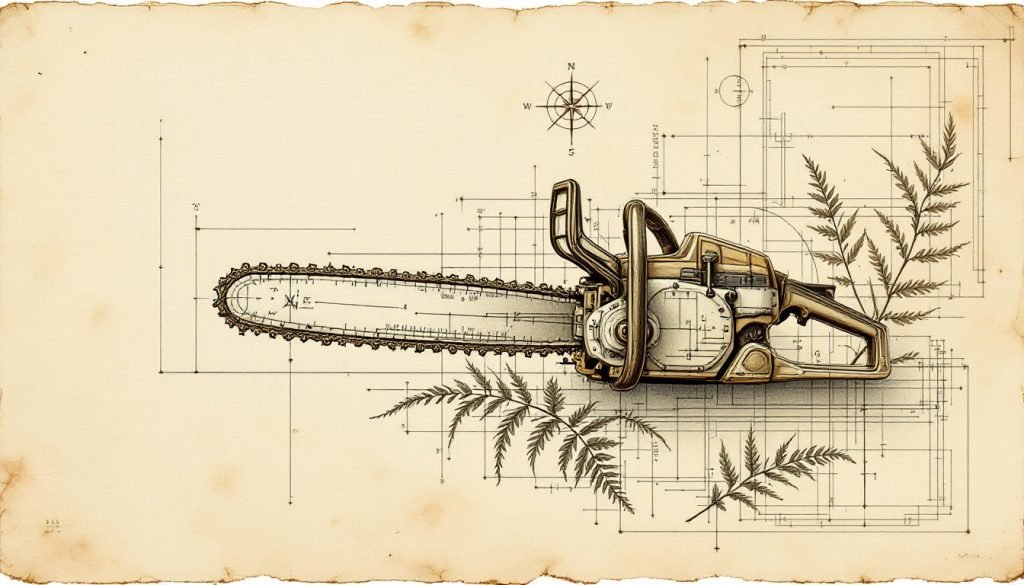
- Chain brake stops rotation within 0.15 seconds during kickback events. Throttle interlock prevents accidental acceleration requiring dual trigger pressure. Chain catchers and anti-vibration mounts prevent derailment injuries and long-term nerve damage. Monthly brake cleaning and annual band replacement maintain critical safety margins. Professional service required for clutch work - improper repair voids warranties and creates liability.
The morning after a storm, you pull your chainsaw from the garage to clear a fallen oak limb blocking your driveway. You check the fuel, yank the cord, and muscle through the cut—never noticing the chain brake is frozen with sap, the throttle trigger sticks intermittently, and the chain catcher is cracked. This scenario plays out thousands of times yearly, contributing to the more than 36,000 chainsaw injuries reported annually in the United States. Yet every one of these incidents is preventable through understanding and maintaining the six critical safety systems built into every modern saw.
As an ISA Board Certified Master Arborist who’s spent three decades training both homeowners and crew leaders, I’ve learned that safety features only work when operators know they exist and keep them functional. This guide walks through each built-in safety system, explains why it matters, and shows exactly how to verify it’s working before the first cut.
The Six Critical Safety Systems Every Chainsaw Carries
Modern chainsaws manufacturers integrate six primary safety systems that function as your last line of defense when technique fails or fatigue sets in. These aren’t optional accessories—they’re engineered into the saw’s core design and require regular inspection to remain effective.
The chain brake tops the list, designed to stop chain rotation within 0.15 seconds of activation. Located forward of the front handle, this mechanical brake engages when your left wrist pushes the hand guard forward during kickback. The throttle trigger interlock prevents accidental acceleration by requiring simultaneous pressure on both throttle trigger and interlock lever. Chain catchers—small metal hooks beneath the powerhead—grab a derailed chain before it whips back toward the operator. Anti-vibration mounts reduce hand-arm vibration exposure below the 5 m/s² regulatory threshold. Safety tip bars prevent nose-contact kickback during boring cuts. Finally, chain tensioners maintain proper drive link engagement to prevent derailment.
Chain Brake: A mechanical band that clamps the clutch drum to stop chain rotation within milliseconds, activated either manually (hand guard contact) or automatically during kickback events.
Chain Brake: Your Primary Defense Against Kickback
The chain brake stands as the most critical safety feature, designed to activate during kickback—the sudden upward and backward motion that occurs when the saw tip contacts wood unexpectedly. Testing reveals that a properly functioning brake stops chain rotation in 0.15 seconds, reducing injury severity by approximately 75% in controlled studies.
Testing your brake takes thirty seconds and should happen before each use. With the engine running at idle, hold the saw firmly and push the chain brake forward with your left wrist. The chain should stop immediately. Release the brake—it should snap back with spring tension. If movement feels sticky or the chain continues rotating, clean the brake band and clutch drum with compressed air. Sap buildup is the most common cause of failure, particularly after cutting pine species.
Pro Tip: Never test the chain brake while the chain is under load. Testing with the chain buried in wood can damage the brake band or clutch drum, creating a false sense of security.
Brake band thickness should exceed 2.5mm—measure with calipers if brake performance degrades. Replacement requires removing the clutch assembly, a 20-minute job for experienced users but best left to certified technicians unless you have the proper clutch removal tools. Most tensioner failure felling risks occur gradually, evidenced by increased stopping distance or brake lever requiring more force to engage.
Throttle Interlock and Trigger Mechanisms
The throttle trigger interlock prevents accidental acceleration, a scenario that causes approximately 8% of chainsaw injuries annually. This system requires simultaneous pressure on both the throttle trigger and the smaller interlock lever located above the rear handle. If either pressure point releases, the throttle returns to idle regardless of trigger position.
Malfunction appears as sticky trigger movement or failure to return to idle when released. Clean the trigger housing with compressed air monthly, focusing on sawdust accumulation around the return spring. Lubricate the trigger pivot with a single drop of pneumatic tool oil—never use standard motor oil which attracts debris.
Trigger spring tension should return the throttle to idle within one second of release. Test by squeezing both levers, then releasing suddenly. The trigger should snap back smartly. Weak return springs indicate either debris interference or spring fatigue—both require immediate attention before further use.
Chain Catchers and Anti-Vibration Systems
Chain catchers appear as small metal hooks beneath the powerhead, designed to grab a derailed chain before it whips toward the operator’s body. These simple devices prevent catastrophic injuries from broken or thrown chains, yet most operators don’t know they exist. Inspect the catcher after any chain derailment—bent or damaged catchers must be replaced immediately.
Anti-vibration systems use rubber mounts between engine housing and handles to reduce vibration transmission below 5 m/s², the threshold for daily exposure limits. These mounts deteriorate over time, increasing vibration levels that cause hand-arm vibration syndrome (HAVS) after prolonged use. Test by running the saw at full throttle while holding the handles—excessive vibration or visible mount cracking indicates replacement needed.
Tools You Will Need
- Feeler gauge set: Measure chain brake band clearance at 0.5mm precision
- Digital calipers: Check brake band thickness—replace below 2.5mm
- Chain catcher removal tool: Specialized hook for damaged catcher replacement
- Torque wrench: Ensure anti-vibration mount bolts at 15-20 ft-lbs specification
Daily Pre-Start Safety Inspection Protocol
Every chainsaw session begins with a systematic safety check that takes two minutes but prevents hours of regret. Start with the chain brake—engine off, push the brake forward and back. Movement should be smooth with positive spring return. Next, check throttle interlock by squeezing both levers, confirming smooth operation and immediate return to idle.
Inspect the chain catcher for damage or missing components. Verify anti-vibration mount integrity by checking for cracks or separation between rubber and metal components. Examine the safety tip on your guide bar—if worn or damaged, replace the bar immediately as nose-contact kickback becomes unpredictable.
Pre-Start Safety Checklist
- Chain brake engages/disengages smoothly within 0.15 seconds
- Throttle trigger and interlock return to idle within 1 second
- Chain catcher present, undamaged, securely mounted
- Anti-vibration mounts show no cracks or separation
- Safety tip bar shows no wear or damage
- Chain tension maintains 3-5mm lift at mid-bar
Maintenance Schedules That Keep Safety Features Functional
Safety systems require maintenance schedules distinct from general chainsaw care. Chain brake cleaning happens monthly during heavy use seasons, quarterly for occasional users. Remove the clutch cover and blow compressed air through the brake band assembly, focusing on clutch drum fins where sap accumulates. Replace the brake band annually or sooner if thickness drops below 2.5mm.
Anti-vibration mounts last approximately 200 operating hours under normal conditions. Replace immediately if cracks appear or vibration levels increase noticeably. Mount bolts require retorquing to 15-20 ft-lbs every 50 hours—loose mounts accelerate deterioration and reduce effectiveness.
Throttle mechanisms need cleaning every 25 operating hours or whenever trigger action feels sticky. The process takes ten minutes: remove the trigger housing, blow out sawdust with compressed air, apply one drop of pneumatic tool oil to pivot points. Never disassemble beyond manufacturer specifications—return springs and springs are calibrated assemblies.
When Safety Features Fail: Professional vs DIY Repairs
Safety feature repairs fall into two categories: basic maintenance you can handle, and precision work requiring certified technicians. Chain brake cleaning, throttle mechanism lubrication, and visual inspections fall within competent DIY territory. However, clutch removal for brake band replacement requires specialized tools and knowledge—attempting this without proper training risks permanent damage.
Professional service becomes essential when safety features fail despite proper maintenance. If the chain brake activates without kickback events, the throttle won’t maintain steady RPM, or anti-vibration mounts fail prematurely, these indicate underlying mechanical issues requiring dealer-level diagnosis. Most manufacturers require certified technician service to maintain warranty coverage on safety systems.
Cost considerations favor professional service for complex repairs. Chain brake replacement runs $75-150 at authorized service centers versus potential $400+ in damaged components from improper DIY attempts. More importantly, incorrect safety system installation creates liability exposure—if an improperly repaired saw injures someone, you bear full responsibility. For comprehensive chainsaw safety maintenance guidance, consult certified resources.
What to Do Next
Your chainsaw’s safety features represent decades of engineering refinement designed to prevent the exact injuries that send thousands to emergency rooms annually. These systems only protect you when they function correctly and you understand their purpose.
Begin today with a complete safety inspection using the checklist above. Schedule professional service for any feature that fails testing, regardless of how minor it seems. Replace worn components immediately—safety systems are not areas where “good enough” suffices. Understanding what happens when tensioner fails can prevent catastrophic outcomes.
Finally, integrate these checks into your routine. Make the pre-start inspection as automatic as checking fuel and bar oil. Your future self—and your emergency room bill—will thank you for these two minutes of prevention.