Everything You Should Know About Skid Steer Feller Buncher
Breaking down modern tree felling equipment from rubber-tired feller-bunchers to disc saws and processing heads. Learn what each machine does and when profes...
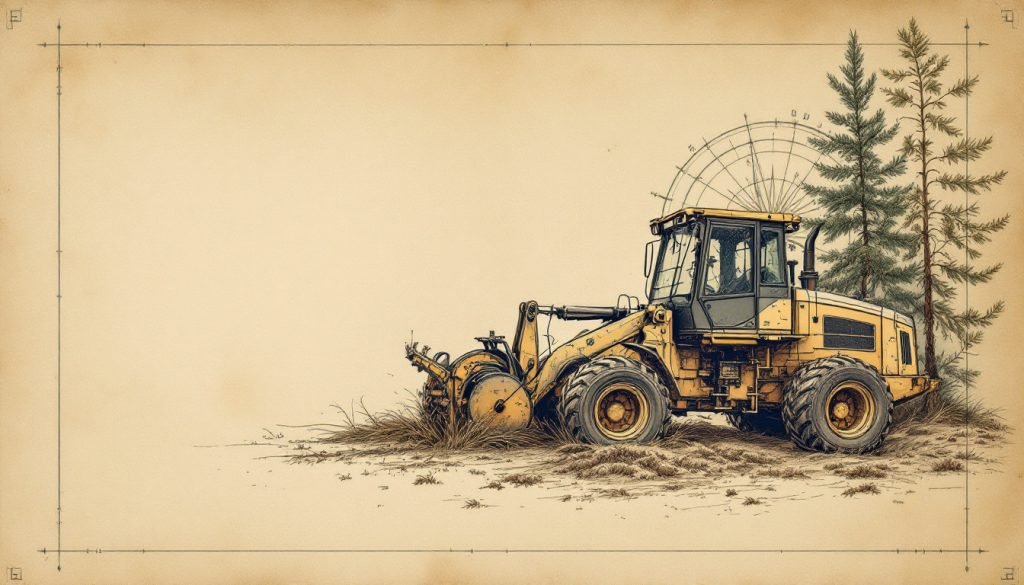
- Feller-bunchers cut and accumulate trees in bunches before transport. Disc saws cut fastest but fail in rocky conditions; bar saws are more versatile. Processing heads fell, delimb, and buck trees in one operation for selective harvests. Equipment choice directly impacts soil health and long-term forest value. Always verify contractor equipment matches your specific stand conditions and harvest goals.
When you’re watching a professional crew take down a stand of pines in what seems like minutes, you’re witnessing orchestrated machinery that represents millions of dollars in engineering. Understanding what feller-bunchers, processing heads, and disc saws actually do isn’t just curiosity – it directly affects your property value, safety, and the final quality of your timber harvest.
As an ISA Board Certified Master Arborist who’s spent three decades around professional logging operations, I’ve seen property owners get blindsided by equipment choices they didn’t understand. This guide breaks down exactly how modern tree felling equipment works, what each machine’s role is, and how the decisions made at harvest time will impact your forest for decades.
The Five Categories of Modern Timber Harvesting
Professional timber operations break down into five distinct phases, each requiring specialized equipment. The Clemson forestry research team categorizes these as felling, primary transport/extraction, processing, loading, and secondary transport/hauling. Understanding this flow helps you anticipate what machines will be operating on your property and why.
The felling phase is where we start, and it’s evolved far beyond chainsaws. Today’s mechanized felling equipment can process trees faster and more precisely than manual methods, while significantly reducing worker injury risk. The key is matching the right felling equipment to your specific stand conditions and timber objectives.
Feller-Buncher: A self-propelled machine that cuts and accumulates multiple trees before moving them as a group, eliminating the need for manual felling.
Rubber-Tired Feller-Bunchers: The Workhorses
Rubber-tired feller-bunchers, also called wheeled or drive-to-tree feller-bunchers, dominate southern timber operations. These machines feature a rotating cab mounted on a wheeled chassis, giving operators 360-degree visibility and the ability to navigate between closely spaced trees without compacting soil like tracked vehicles.
The cutting head is the business end. Modern feller-bunchers use either disc saws or bar saws mounted on hydraulic arms that can reach trees up to 30 feet from the machine’s position. The operator can grab, cut, and stack trees without leaving the cab, processing 100-200 trees per hour depending on stand density.
What’s particularly impressive is the accumulator system. Once a tree is cut, the head holds it vertically while the operator positions for the next tree. The machine can accumulate 4-8 trees (called a “bunch”) before moving the entire group to the landing area for processing. This dramatically reduces travel time compared to cutting and immediately transporting each tree.
Pro Tip: Watch for tire tracks during wet conditions. Quality operators will lay slash mats to prevent rutting, which can impact your soil for decades and reduce future growth rates by 15-20%.
Disc Saws vs Bar Saws: Cutting Technology Deep Dive
The cutting mechanism determines speed, maintenance requirements, and safety factors. Disc saws, called “hotsaws” because the blade spins continuously at 1000+ RPM, can cut through a 20-inch pine in under 3 seconds. The massive steel disc with carbide teeth slices through wood like butter, but requires careful operation around rocks that can break teeth and create dangerous projectiles.
Bar saws operate more like oversized chainsaws, with a cutting bar that extends and retracts hydraulically. They’re slower than disc saws but handle rocky conditions better and cost less to maintain. Bar saw operators can cut selectively, leaving specific trees standing, while disc saws tend to cut everything in their path.
The third option, shear cutting, uses hydraulic blades that snap trees off rather than cutting them. This creates a cleaner stump but requires more powerful hydraulics and works best on smaller diameter trees under 16 inches.
| Cutting Method | Speed | Maintenance Cost | Rocky Conditions |
|---|---|---|---|
| Disc Saw | Under 3 seconds per 20″ tree | $200-400 per day | Poor – dangerous |
| Bar Saw | 8-12 seconds per 20″ tree | $100-200 per day | Good performance |
| Shear | 5-8 seconds per 16″ tree | $150-250 per day | Excellent |
Processing Heads: When One Machine Does It All
Processing heads represent the next evolution in felling technology. Unlike basic bunching heads that simply cut and hold trees, processing heads can fell, delimb, and buck trees to specified lengths in one continuous operation. This eliminates the need for separate processing equipment at the landing.
Modern processing heads use computer-controlled measuring systems that can cut logs to precise lengths for specific mill orders. The head’s rollers grip the tree, measure its diameter, calculate optimal cut points, and make the cuts while simultaneously removing branches. A skilled operator can process 60-80 trees per hour, with each log meeting exact mill specifications.
The real advantage emerges in selective harvests. Processing heads can identify and harvest only trees meeting specific criteria – diameter, species, or quality grade – while leaving the rest of the stand undisturbed. This precision isn’t possible with traditional feller-bunchers that clear everything in their path.
Regional Equipment Differences: Upstate vs Coastal Plain
Equipment choices vary dramatically between South Carolina’s Upstate and Coastal Plain regions. In the Upstate’s steeper terrain and mixed hardwood stands, you’ll see more tracked feller-bunchers with better traction and lower ground pressure. These machines sacrifice speed for stability on slopes up to 35% grade.
The Coastal Plain’s flat terrain and pine plantations allow rubber-tired equipment to operate efficiently. Here you’ll find the largest, fastest machines processing uniform pine stands. The sandy soils also support heavier equipment without the rutting issues common in Upstate clay soils.
Weather patterns create another regional difference. Coastal Plain operations can continue through wetter conditions using slash mats and temporary roadways, while Upstate operations often shut down during muddy periods to prevent soil damage that can last decades.
Matching Equipment to Your Harvest Objectives
The choice between feller-bunchers and processing heads directly impacts your bottom line. For clear-cut operations where every tree is harvested, traditional feller-bunchers followed by stationary processors at the landing offer the lowest cost per ton. The equipment is less expensive to operate and maintain, though it requires more coordination between machines.
Selective harvests benefit from processing heads despite their higher hourly cost. The ability to harvest only merchantable trees while protecting residuals increases the value of your remaining stand. A recent study showed selective harvests using processing heads yielded 23% higher returns five years post-harvest due to accelerated growth in remaining trees.
Consider your road access too. Processing heads reduce the number of machines moving between cutting areas and landings, minimizing road construction needs. For remote stands or environmentally sensitive areas, this reduced footprint can justify the higher equipment costs.
Questions to Ask Your Logger About Equipment
- What felling head type will they use for your specific stand conditions?
- How will they prevent soil compaction on your property?
- What’s their daily production rate given your tree sizes and spacing?
- Will they use processing heads or separate processing equipment at the landing?
- How do they handle rocky areas or terrain variations?
What to Do Next: Hiring Decisions and Site Preparation
Understanding this equipment gives you the vocabulary to ask the right questions when selecting a logging contractor. Request to see their equipment list and ask for recent references from similar harvests. Quality operators maintain detailed records showing production rates, soil protection measures, and post-harvest recovery data.
Before any equipment arrives, walk your property with the contractor. Point out sensitive areas, discuss slash disposal plans, and establish clear boundaries for equipment movement. The best contractors will mark skid trails and landings in advance, minimizing surprises during operations.
Finally, document everything. Take photos before operations begin, keep copies of contracts specifying equipment types and soil protection measures, and schedule follow-up visits at 6 months and 1 year post-harvest. These records prove invaluable if questions arise about harvest impacts or future management decisions.
>
When evaluating skid steer versus excavator configurations, consider your specific terrain and tree size requirements. For smaller operations or mixed stands, skid steer feller buncher systems offer excellent maneuverability and lower operating costs. Always consult the USDA equipment catalog for detailed specifications before making final equipment selections.